
Our Restoration Projects
A Trust in Karnataka has been quietly restoring forgotten temples — Shri Dharmasthala Manjunatheshwara Dharmothana Trust has the distinction of being recognized by the Ministry of Kannada & Culture, Government of Karnataka. The Trust covers 25 Districts in Karnataka, with 300 temples restored since its inception.
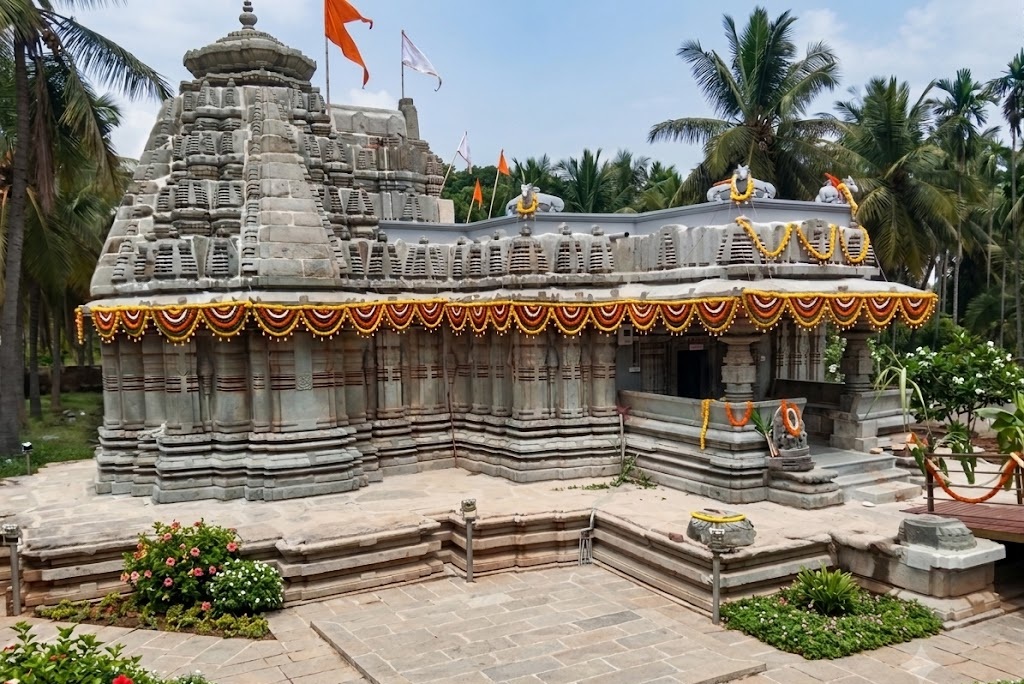

Gopuram & Structural Stabilization
Our structural teams specialize in diagnosing deep foundation settling and masonry fractures using non-destructive ground-penetrating radar.
- When a temple is in a "total dilapidated condition," the primary approach is to completely dismantle the entire structure. This allows for a thorough assessment of every stone element.
- Many temples were found partially or fully buried under soil or overgrown with vegetation. Clearing these is the first step to prevent further structural decay caused by moisture and root penetration.
- Wherever possible, original stones are cleaned and re-set into their original positions. In cases like the Nandikatta temple, up to 60% of the original material was successfully reused.
- The Shikara or Vimana (tower over the Garbhagriha) is reconstructed to follow the historical architectural style of the original temple. For example, the Kadambanagara style is frequently cited as the chosen style for these reconstructions.
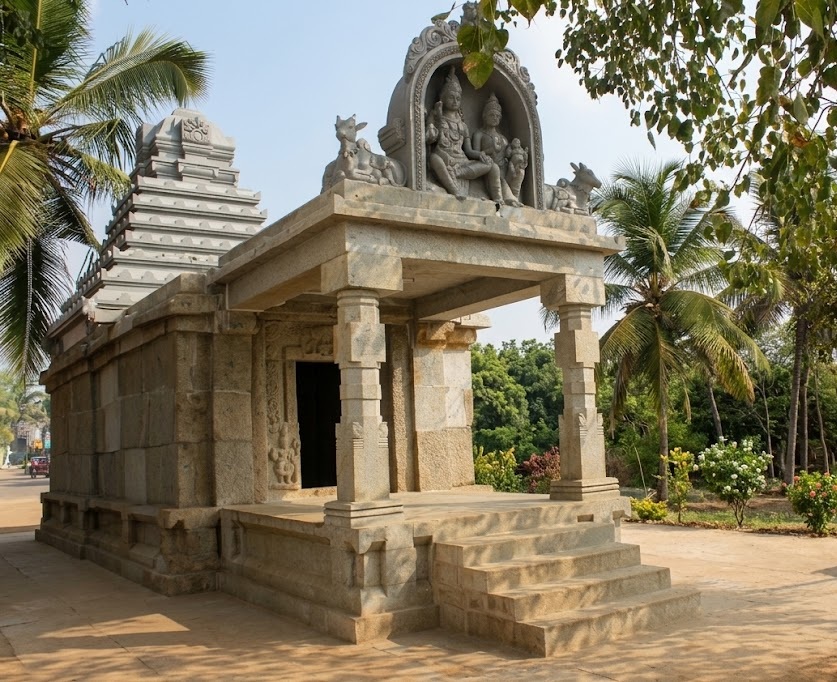
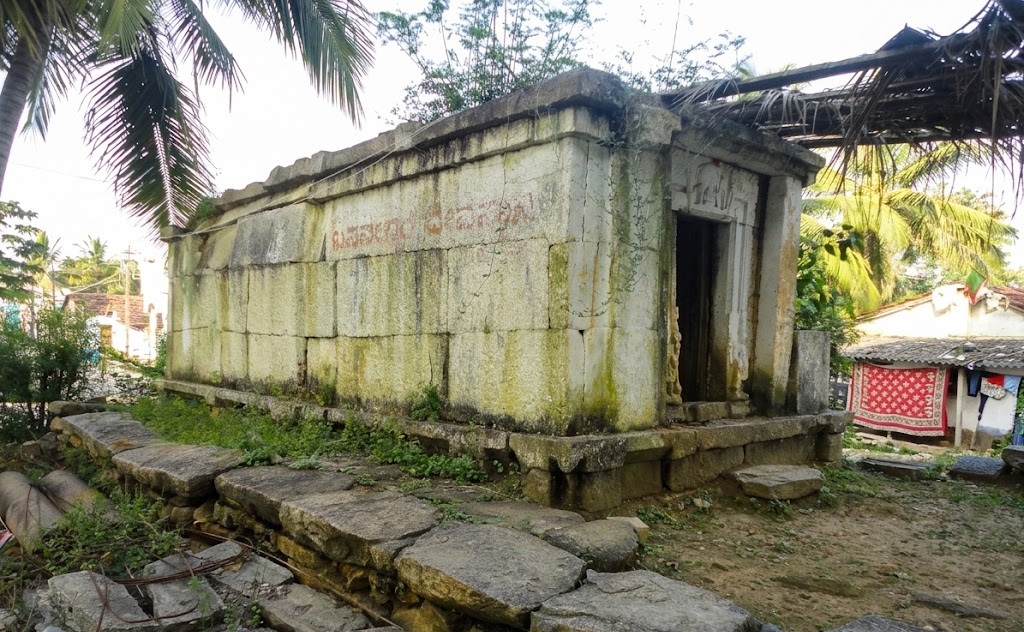
Iconography & Sculpture Revival
Our sculpture revival initiative halts deterioration and sensitively restores unrecognizable features using the exact geological stone type.
- Before dismantling, document every sculpture in situ using 3D laser scanning or high-resolution photogrammetry. This creates a digital record of the idol's orientation, surface details, and exact placement within the Garbhagriha or Navaranga.
- Gently remove crusts of mud, lime, or calcium carbonate deposits using soft brushes and wooden spatulas. If the stone is suffering from moss or lichen growth, apply specialized biocides that kill organic growth without staining the stone.
- In cases where significant parts of a sculpture are missing, artisans (Shilpis) are commissioned to carve new elements, based on contemporaneous iconography manuals (Agamas).
- Once structural and sculptural work is complete, perform a Kumbhabhisheka or re-consecration ceremony to bring the icon back into active worship.
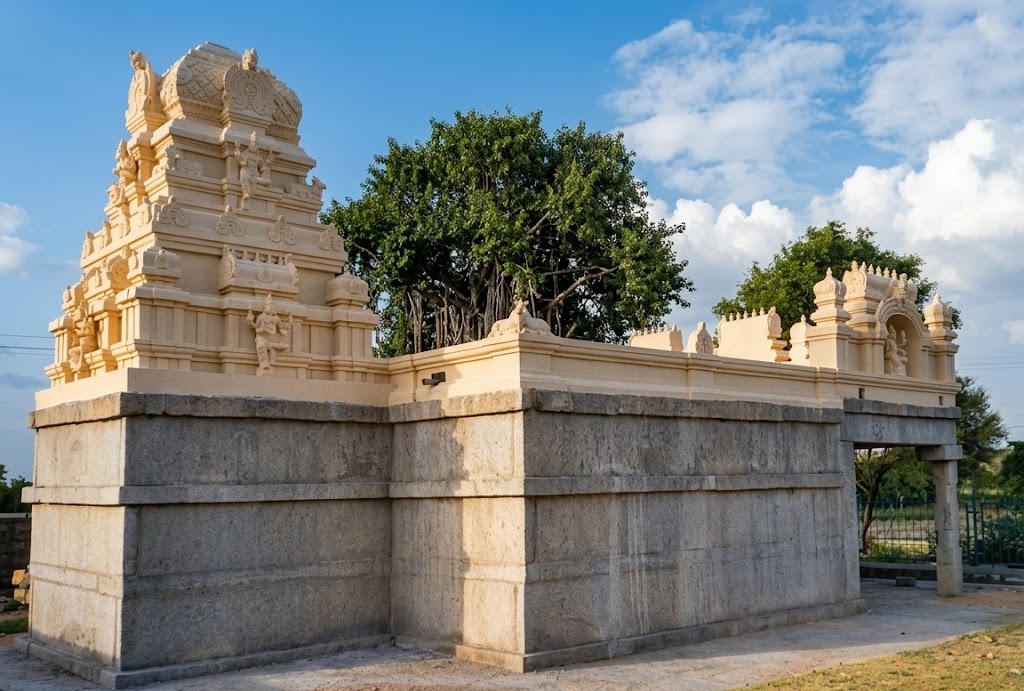
Reviving Sacred Heritage
Restoring temples, preserving heritage, and reviving spiritual traditions through authentic craftsmanship and sustainable conservation.
- India's temple architecture reflects a rich diversity of styles such as Hoysala, Chalukya, and Kadamba traditions. Reviving Sacred Heritage ensures these distinctive styles are preserved in their purest form.
- Reviving Sacred Heritage begins with the careful restoration of temples that have fallen into neglect and disrepair over centuries. Each structure is studied in detail to understand its original form, construction techniques, and spiritual significance.
- Temple sculptures and iconography are not merely decorative elements—they represent divine energy and sacred symbolism.
- Reviving Sacred Heritage goes beyond physical restoration—it restores the spiritual life of the temple. Once restored, temples become active centers of pooja, rituals, and festivals.
A Record of Restored Sanctuaries
Below is our comprehensive portfolio showcasing physical transformation achievements across Karnataka. The structural names and locations are displayed directly on the front of each project card.
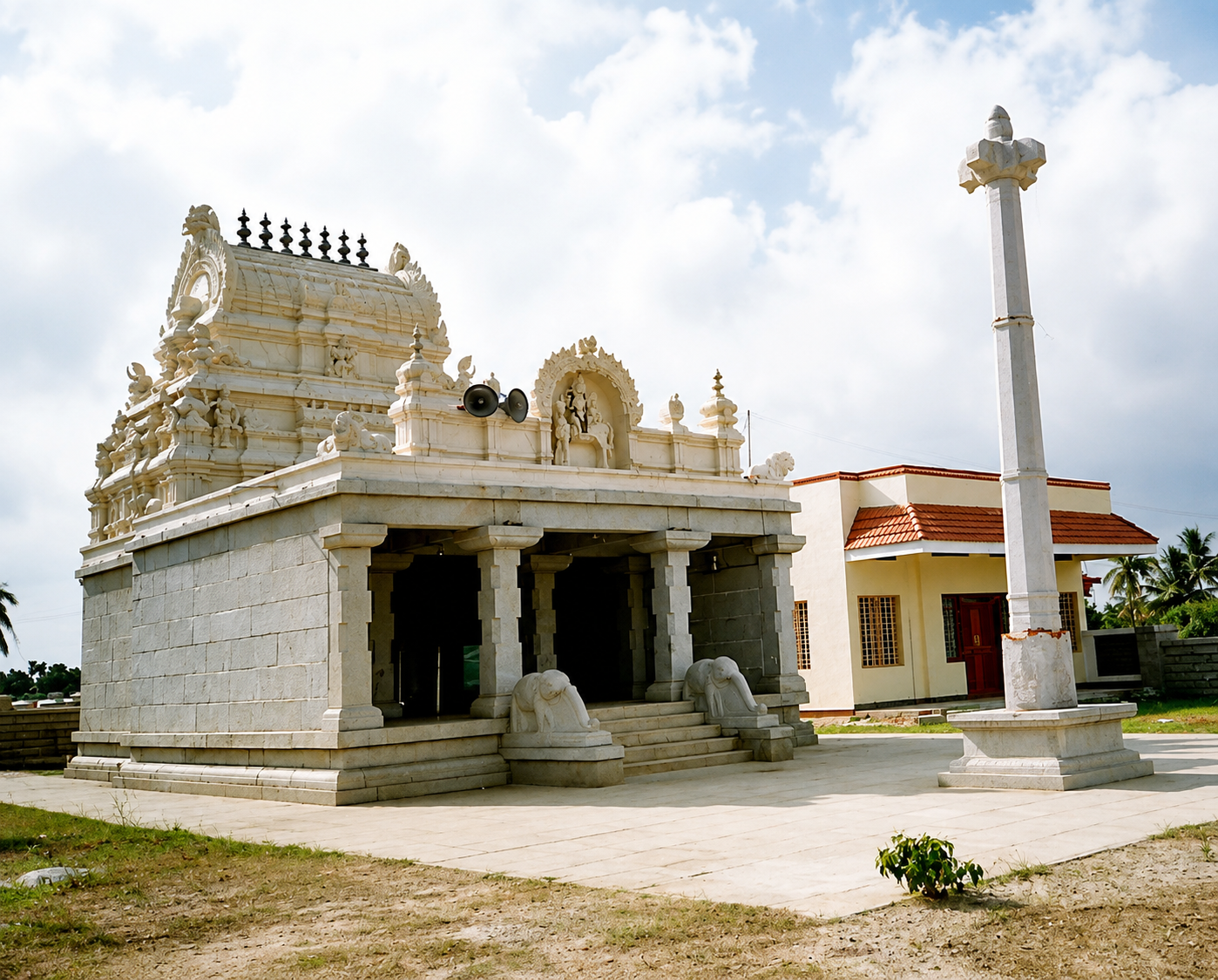
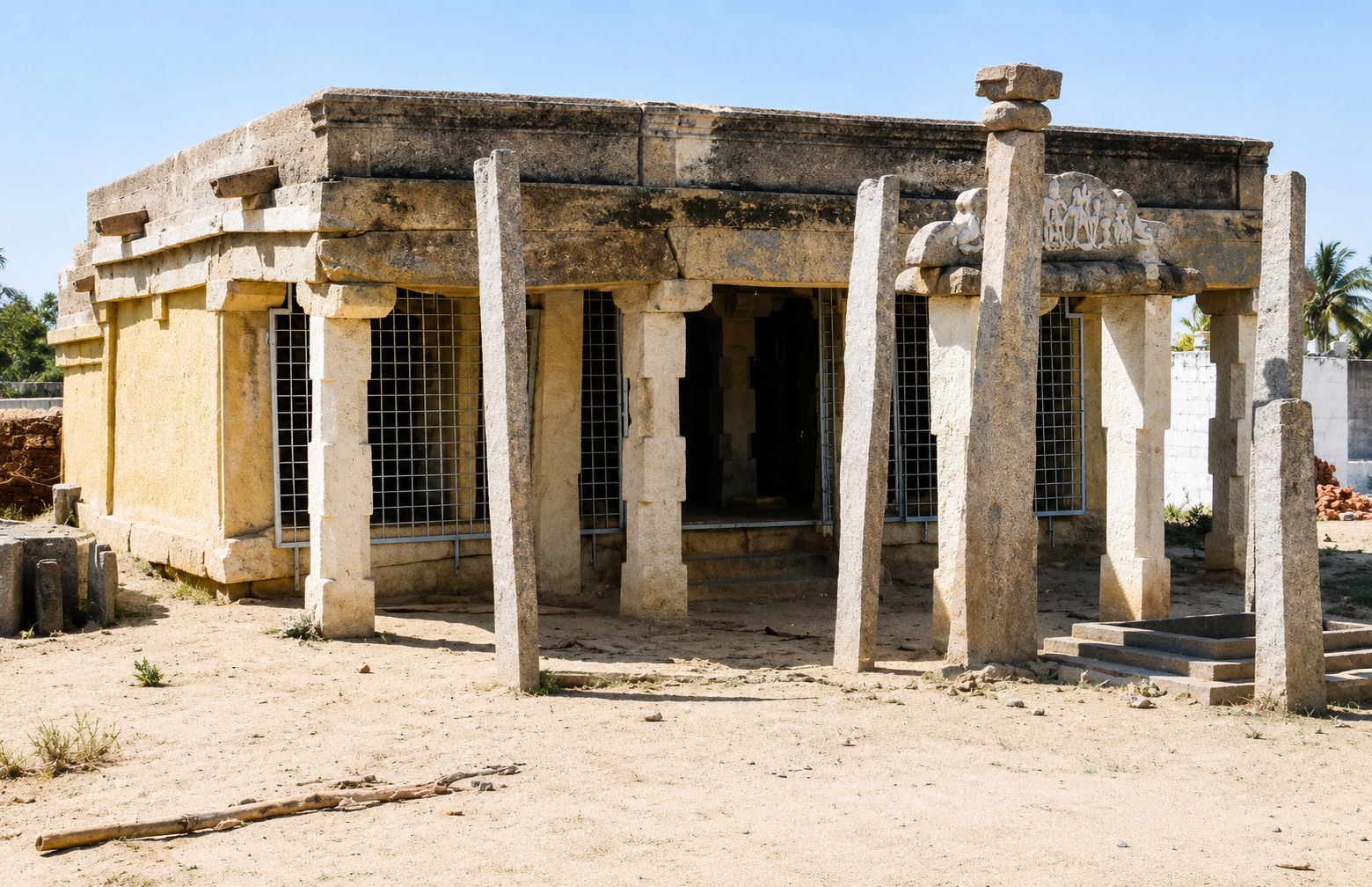
Konaghatta village is situated at a distance of 6km from Doddaballapur town. Sri Margadamba Devi Temple was built in around 10 th century AD and it has a distinct architectural style of Gangas and Cholas. The restoration work of the temple took place during 2002-2004 at a Cost of Rs.10.00 Lakhs. After restoration of the temple the local temple committee constructed a separate kalyana mantapa for the benefit of the local villagers. Daily pooja is being performed in this temple.
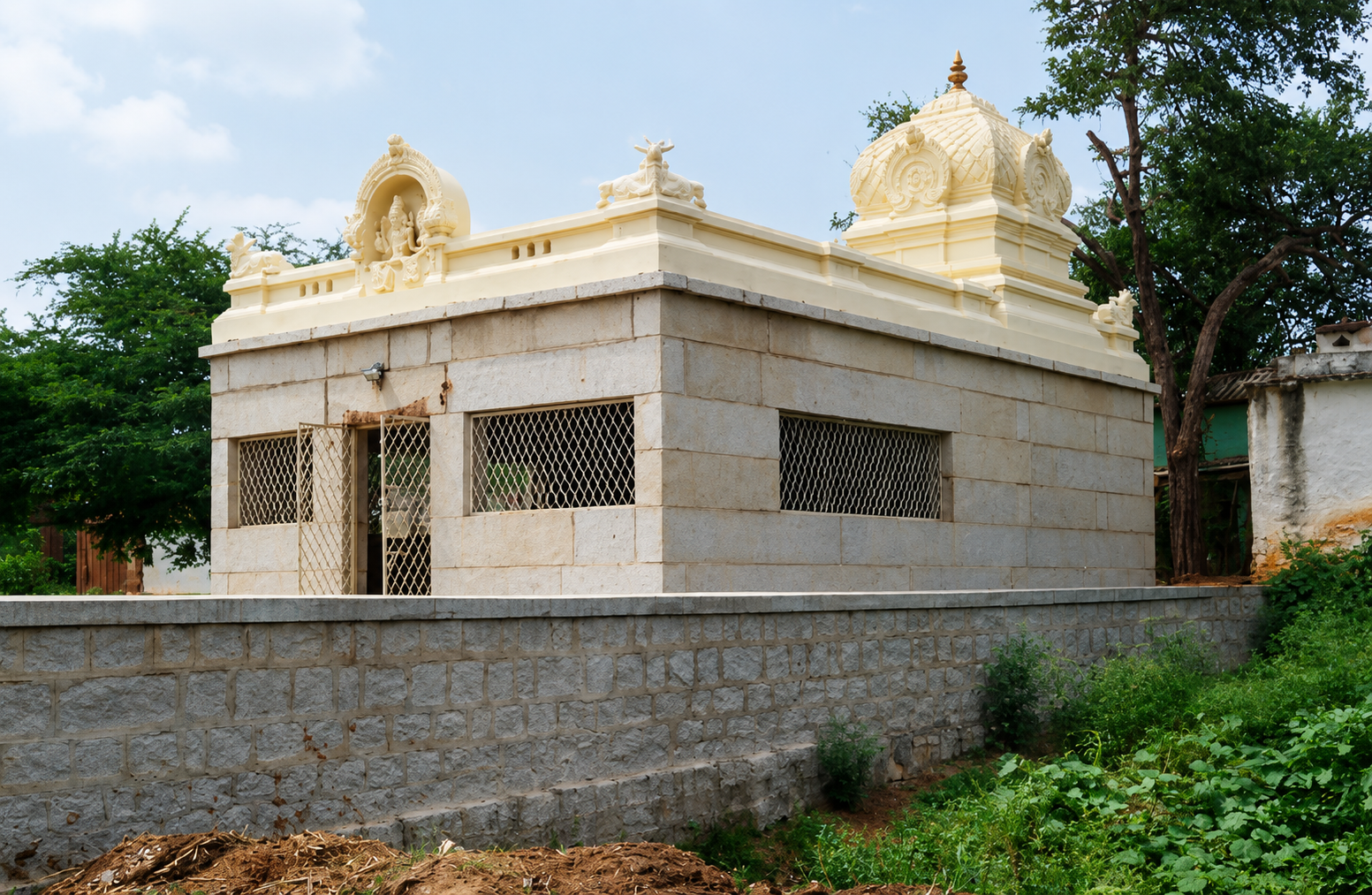
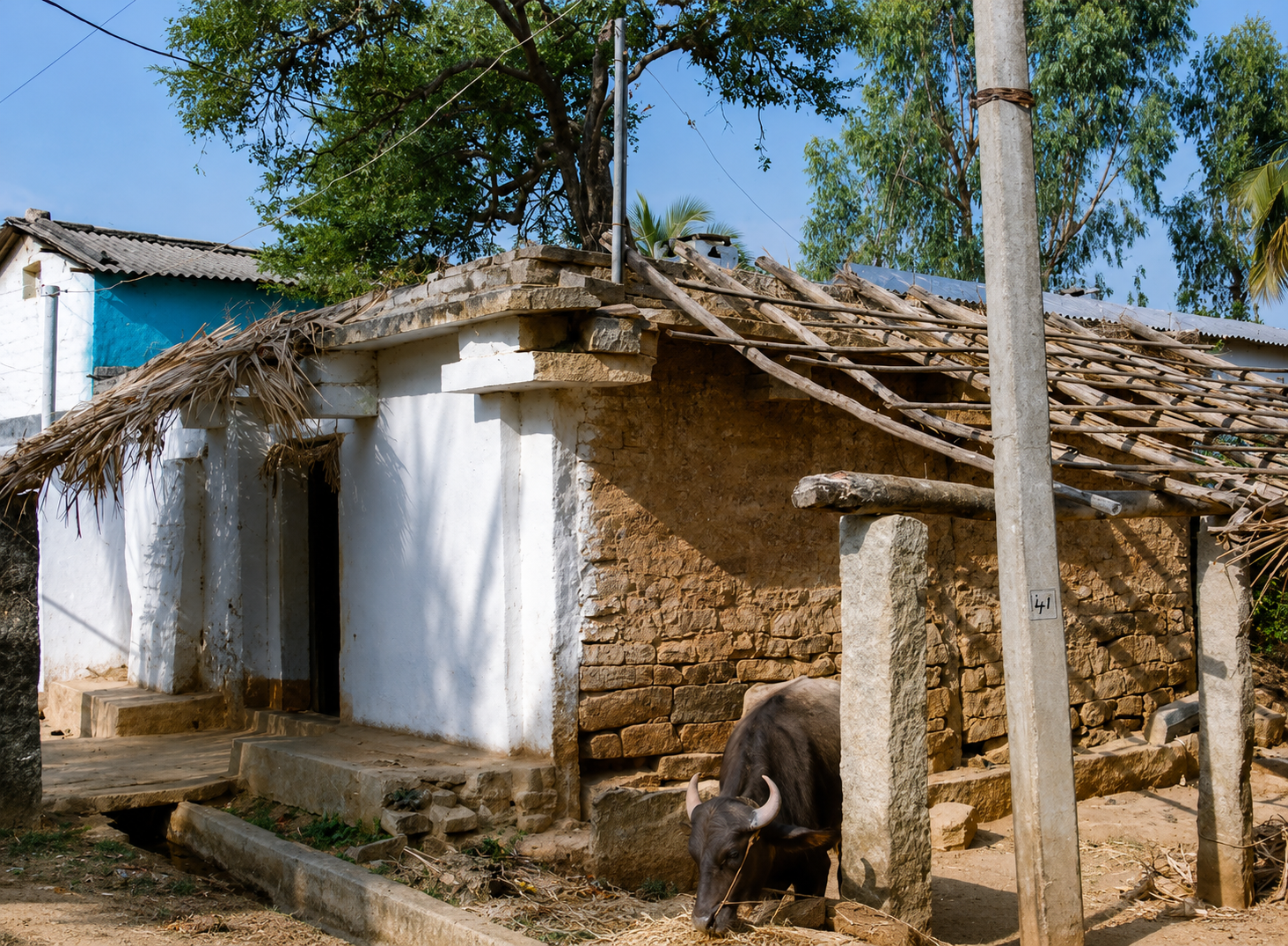
Rajaghatta is a village located at a distance of 5kms from Doddaballapur town and is on the way to Nandi Hills. Sri Eshwara Temple must have been built in around 200 years ago. Most of the original stone members of the temple could not be re-used during restoration work. Hence, they were replaced by new stone members. The restoration work was carried out during 2003-04 at a Cost of Rs. 7.50 Lakhs. Daily pooja is being performed in this temple.
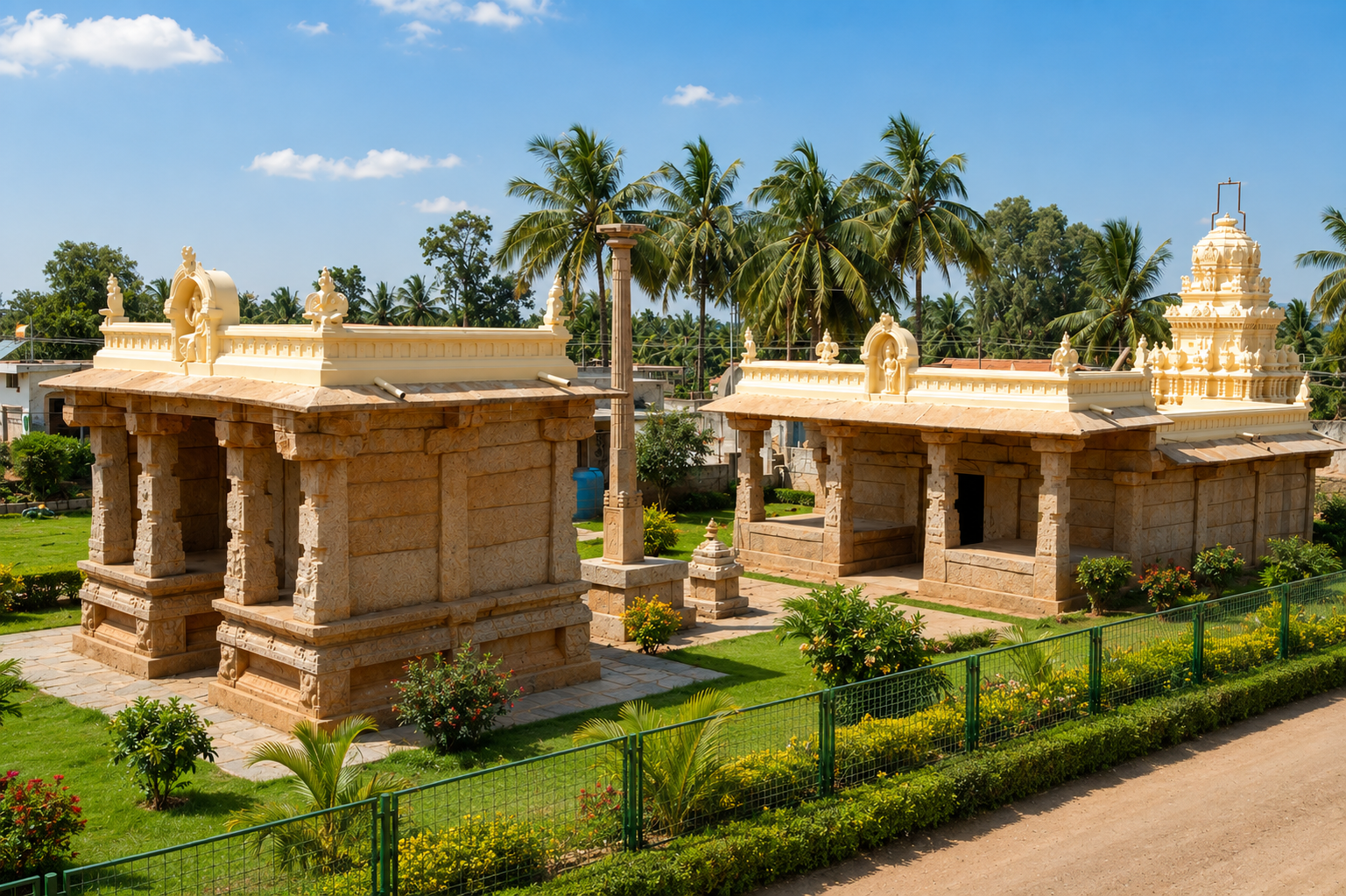
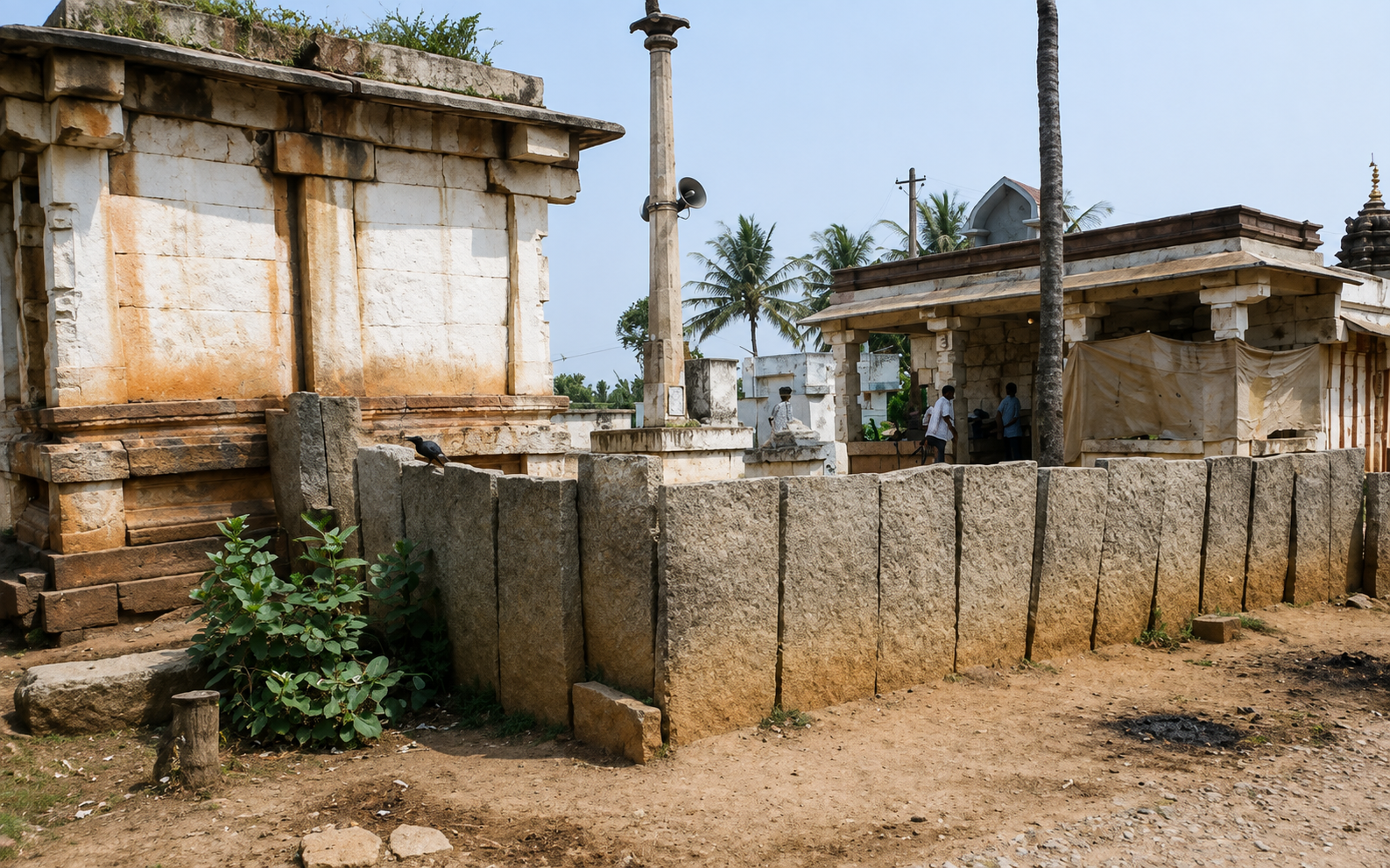
Heggadehalli is a village situated at a distance of about 15kms from Doddaballapur town and on the way to Nandi Hills. Sri Venkataramana Swamy Temple of this village was built in around 14 th century AD. Its architecture can be traced back to the era of Vijayanagara dynasty. The restoration work of the temple was carried out during 2006-08 at a Cost of Rs. 11.00 Lakhs. Daily pooja is being performed in this temple.
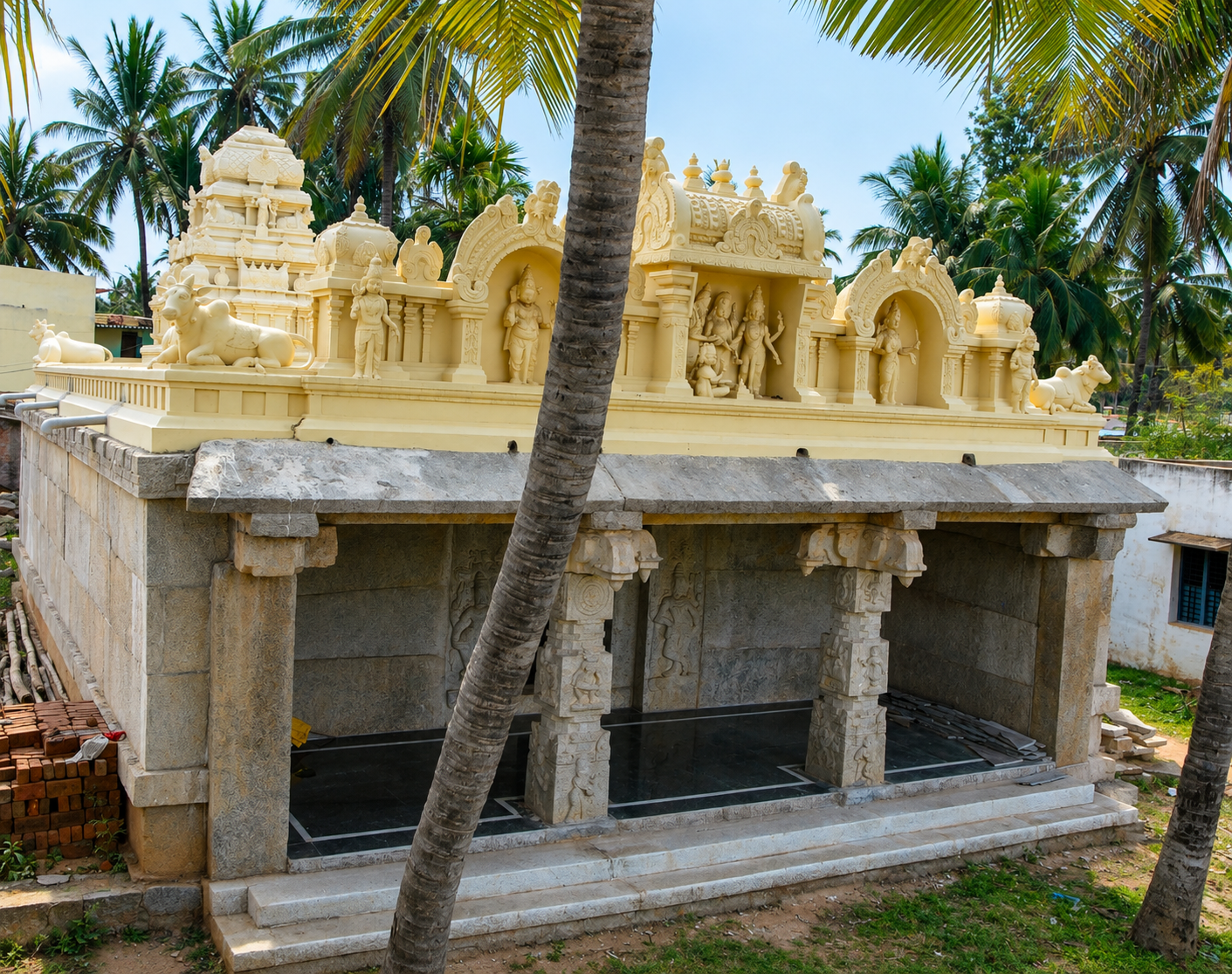
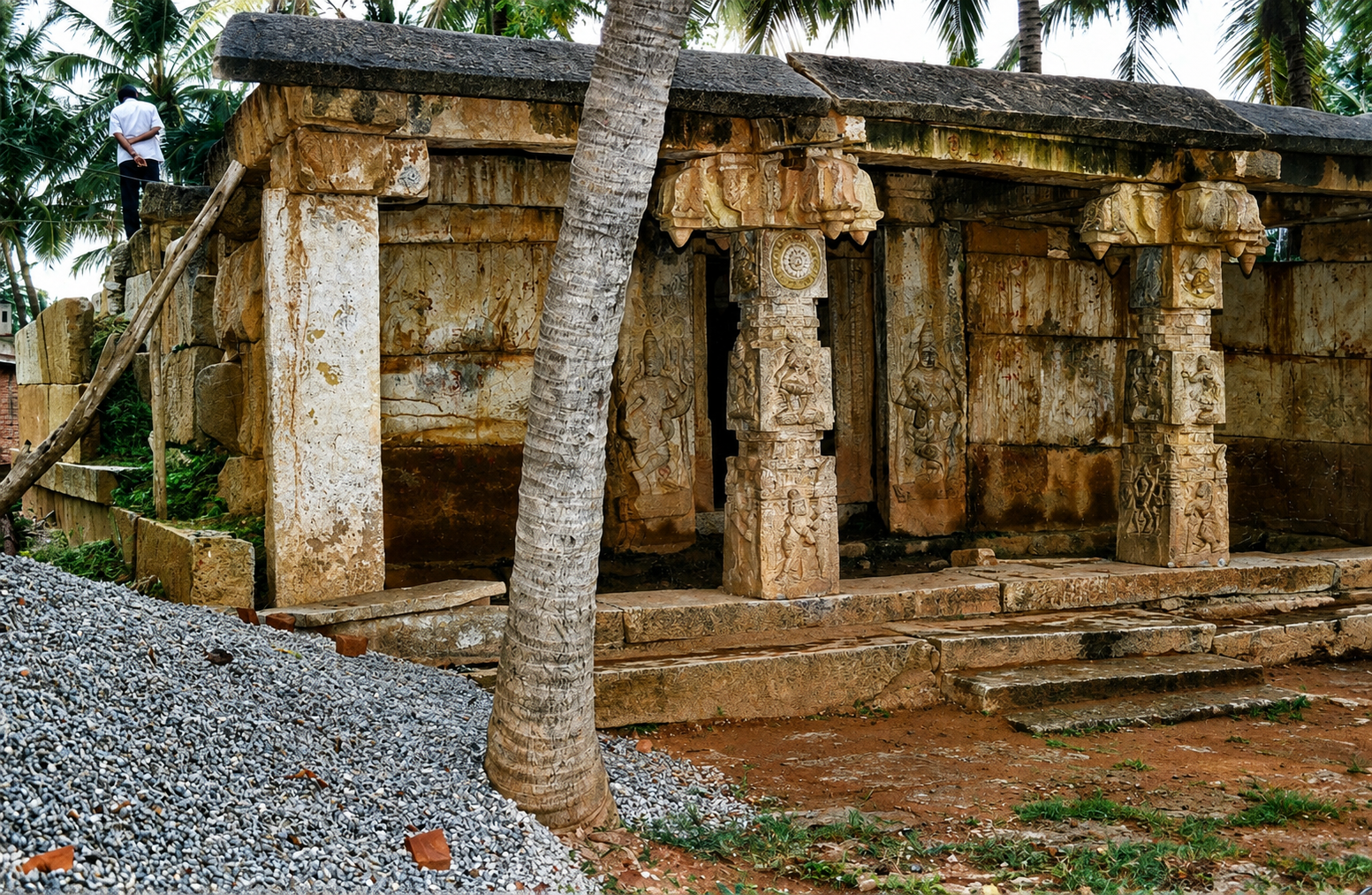
Hanabe village is situated at a distance of about 15kms from Doddaballapur town. Sri Veerabhadra Swamy Temple was built in around 14 th -15 th century AD, could be traced back to the era of Vijayanagara dynasty. The temple was restored during 2006-07 at a Cost of Rs. 12.00 Lakhs. During the restoration work all the stone members were dismantled and re-constructed after strengthening the Adhistana. Daily pooja is being performed and the temple is now attracts many a number of devotees.
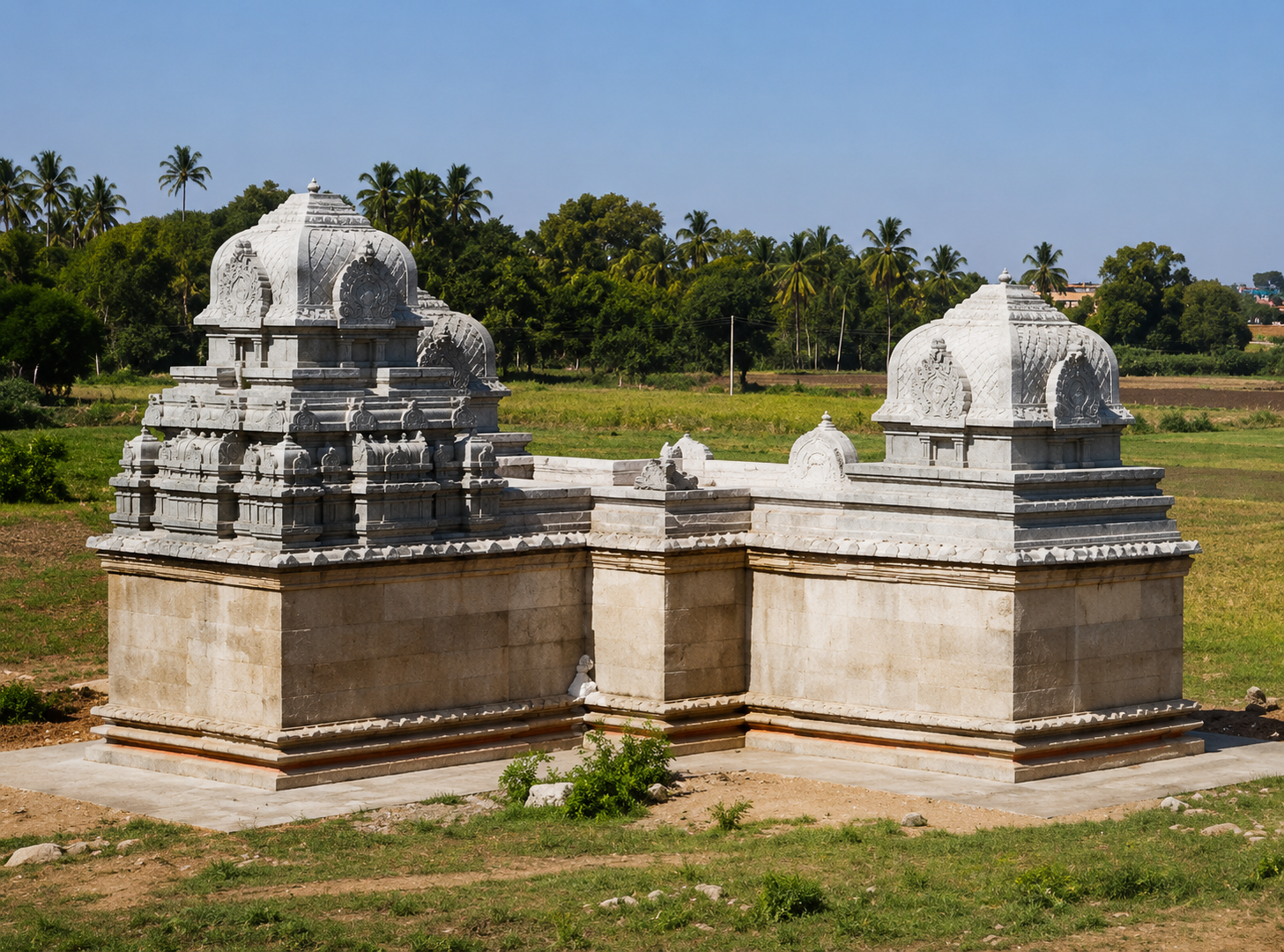
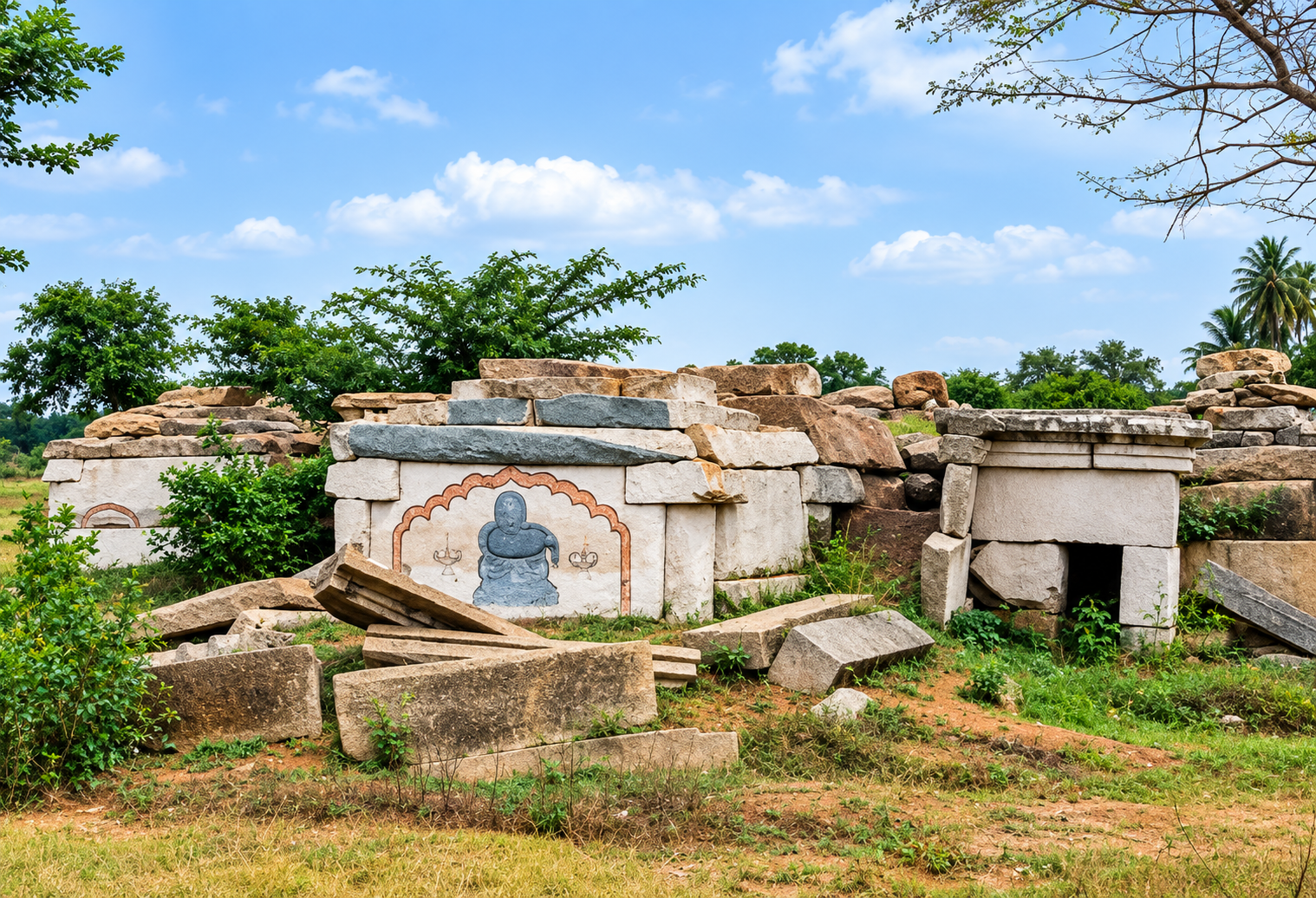
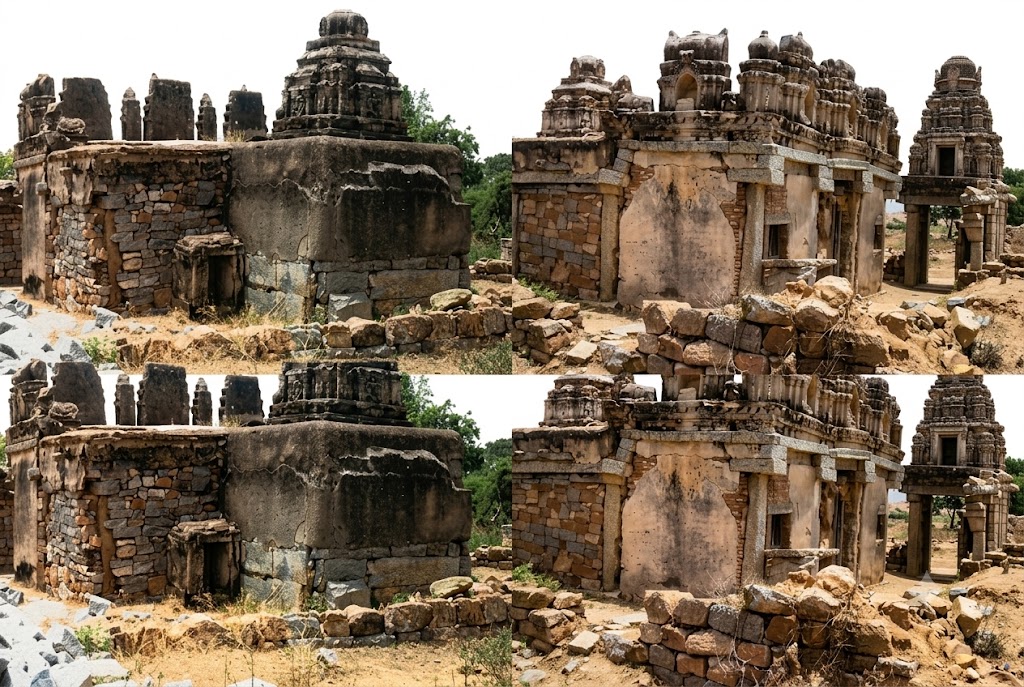
Hulikere village is at a distance of 50kms from Chitradurga town and 1km from K.Hosahally village, which is on Chitradurga-Hospet highway. Sri Kalleshwara Temple built in about 500 years ago and was in total dilapidated condition. Some of the stone members of the temple were submerged in the earth. After complete dismantling/excavating the structure, the adhistana was raised by about 3 feet during restoration. The temple was restored during 2004-05 at a Cost of Rs.8.00 Lakhs.
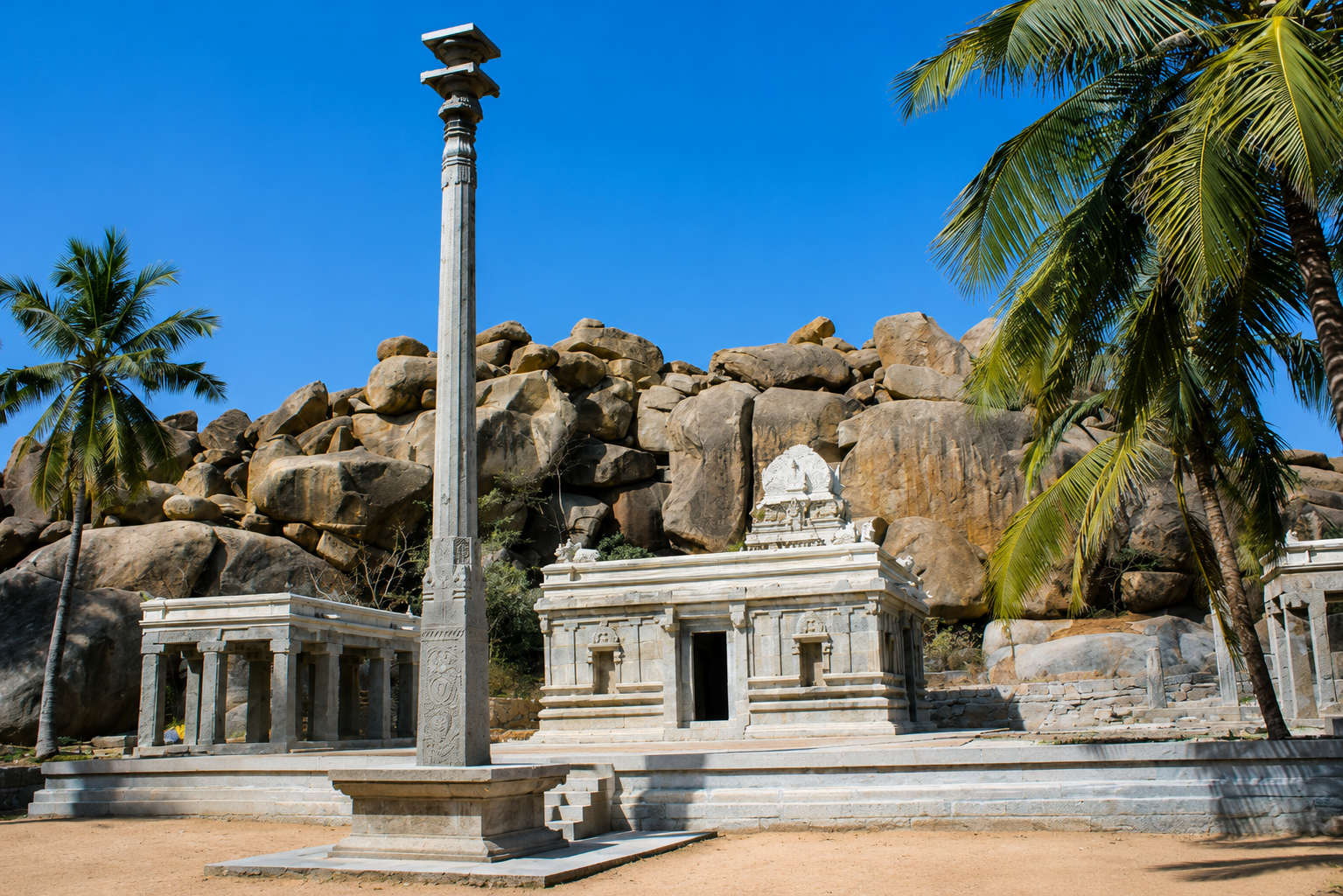
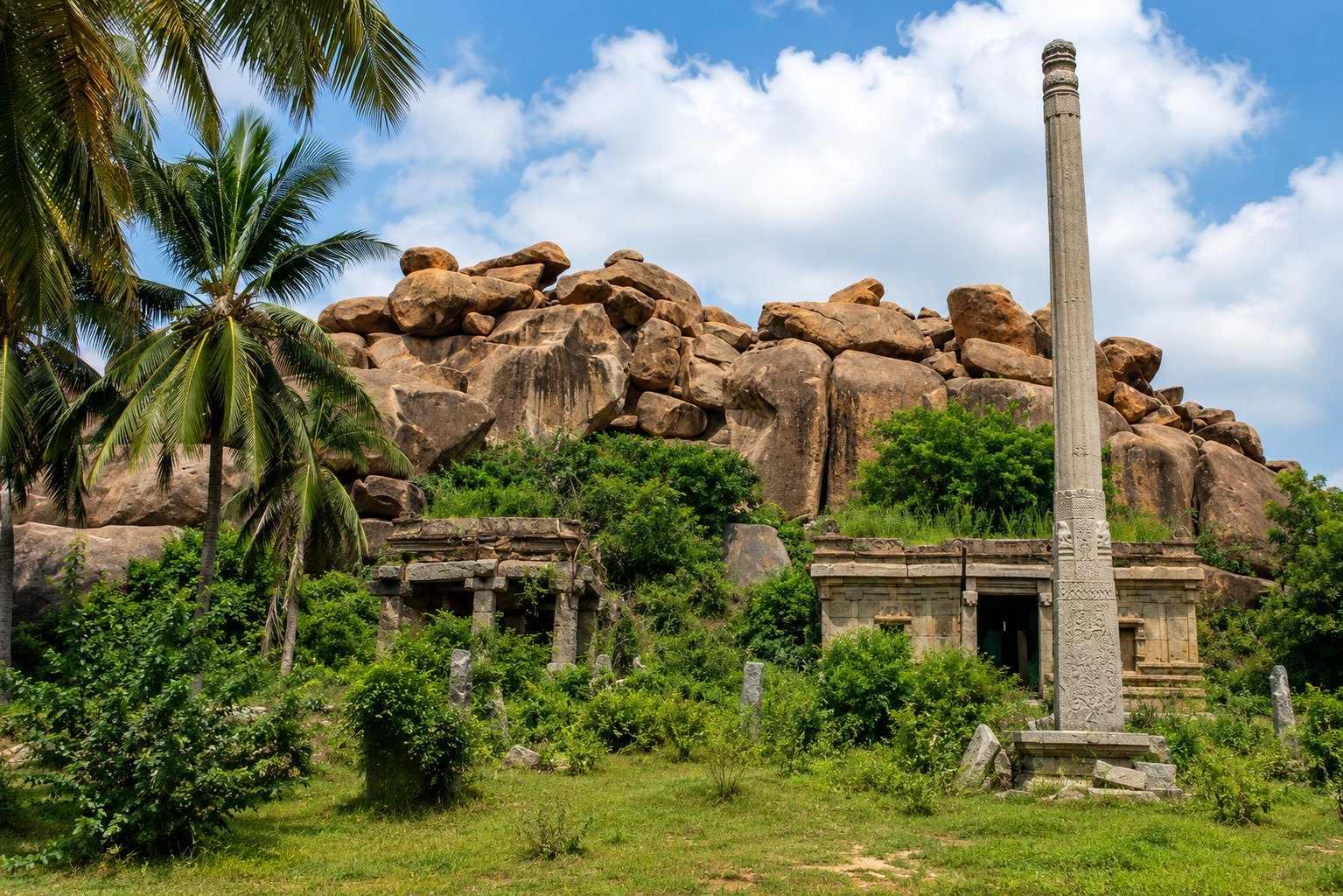
Sri Sowmya Someshwara Temple at Nimbapura Village of Hospet Taluk, Bellary District was built during 14th Centuary A.D. consists of Garbhagruha, Antarala & Navaranga Mantapa with Four Gigantic pillars of beautiful carving. This is a protected monument of Department of State Archeology. The restoration of this temple commenced during 2016 by Dharmothana Trust in association with JSW Foundation. This beautiful monument is attracting Tourists, who visits Hampi.
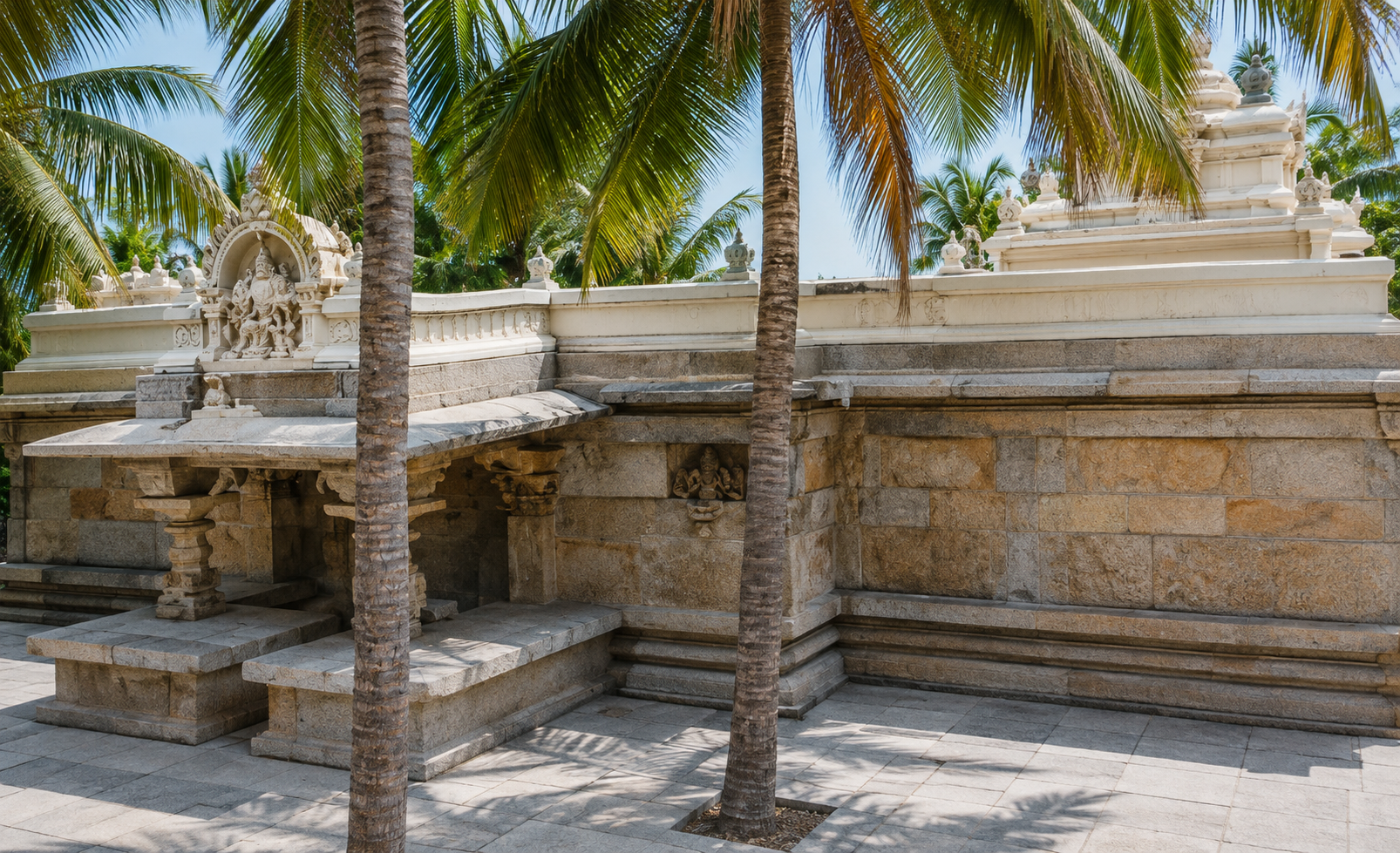
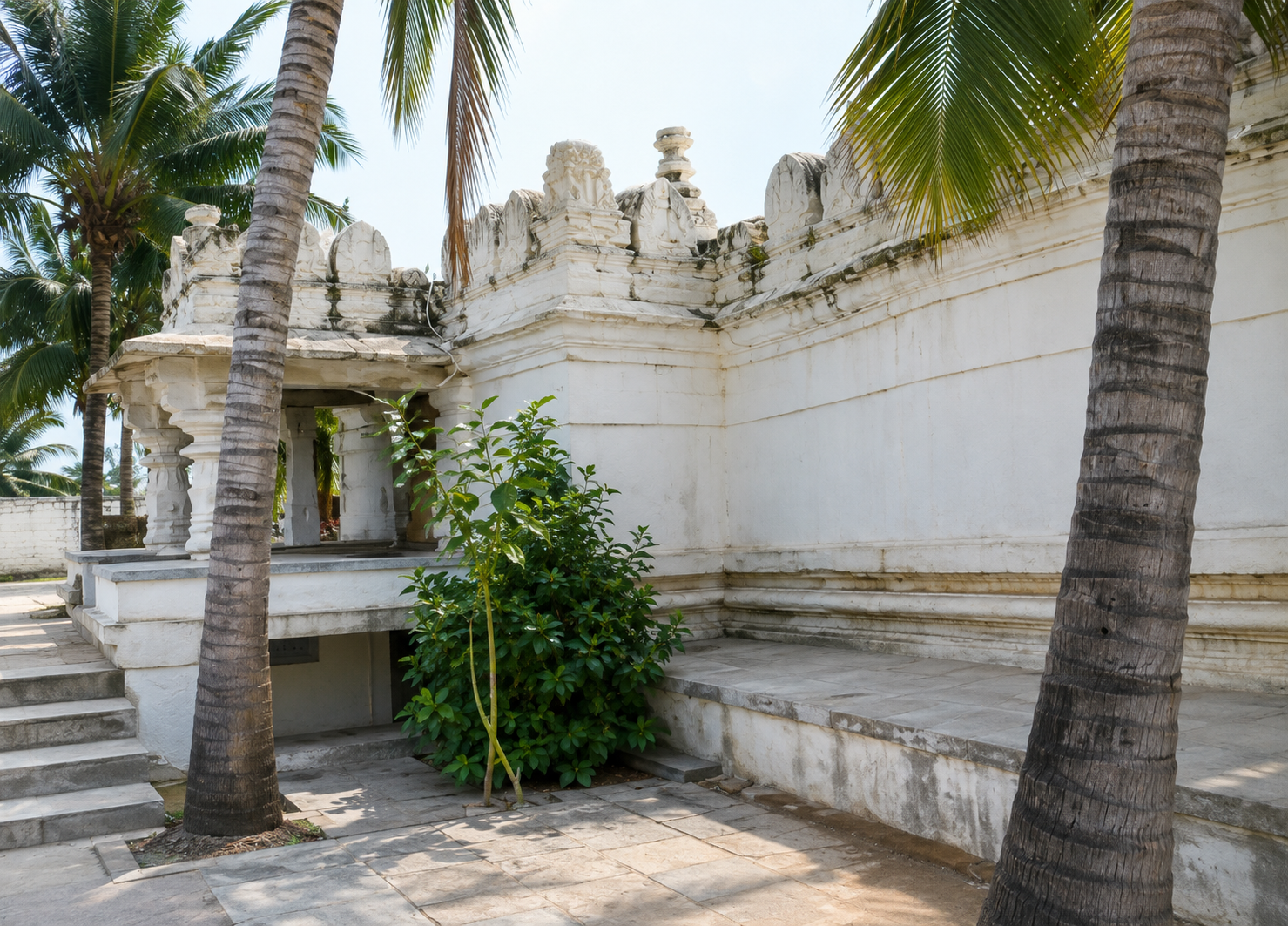
Mamadapura village situated at a distance of about 20kms from Gokak town. Sri Basaveshwara Temple was built in around 10 th -11 th century AD. Its architecture can be traced back to the later part of Chalukyan dynasty. The restoration work took place during 2005-06 at a Cost of Rs.11.50 Lakhs. After restoration of the temple, the daily pooja is being performed and is attracting many a number of devotees.
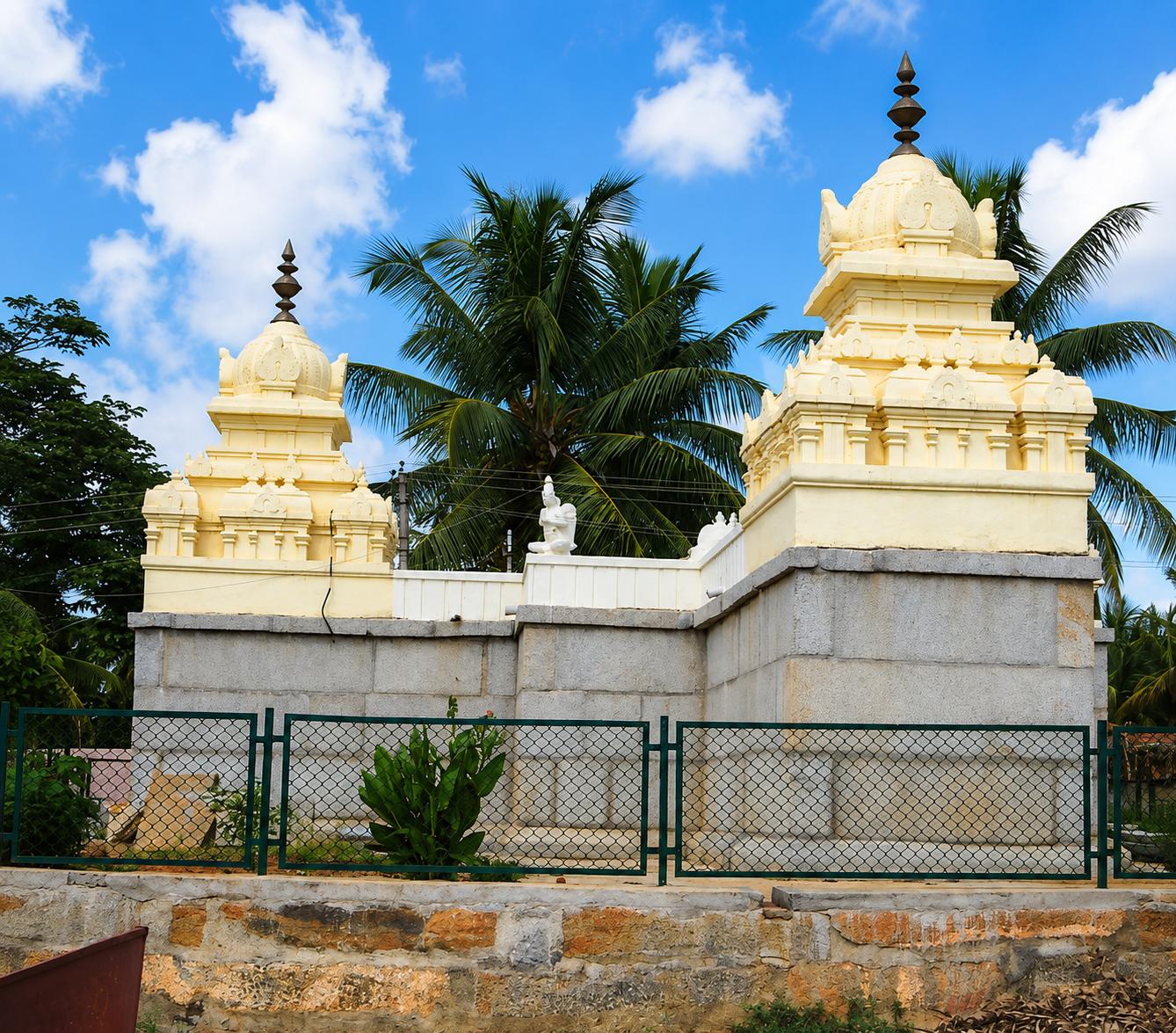
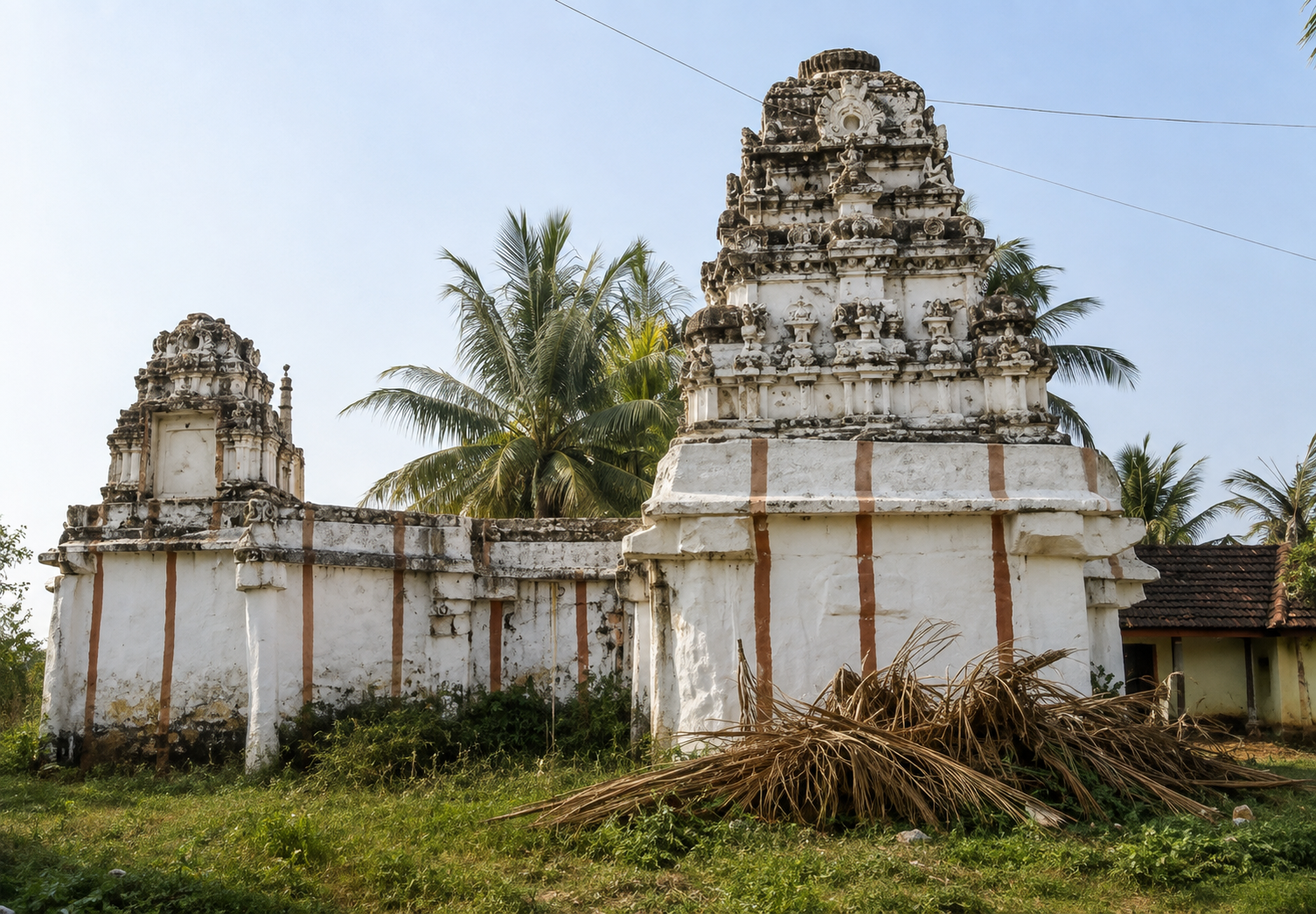
Kuduregere village is located 6kms from Nelamangala of Bangalore city. Sri Anjaneya Swamy Temple was built in around 200 years ago. The restoration work of this temple was carried out during 2006-07 at a Cost of Rs.9.00 lakhs. Most of the stone members of the temple were in bad shape and as such they were to be replaced by new members, retaining the originality. Daily pooja is being performed, which attracts many a number of devotees.
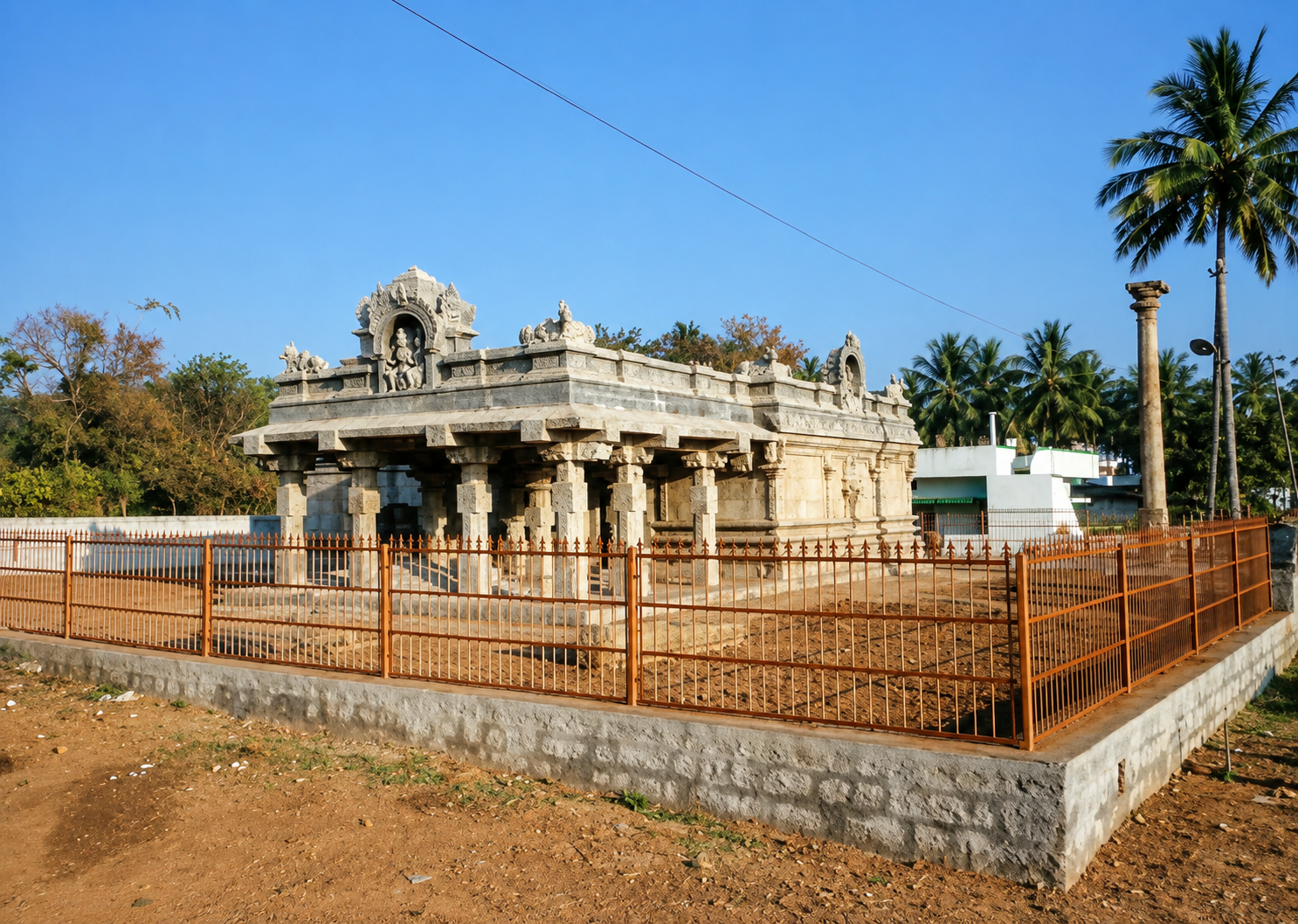
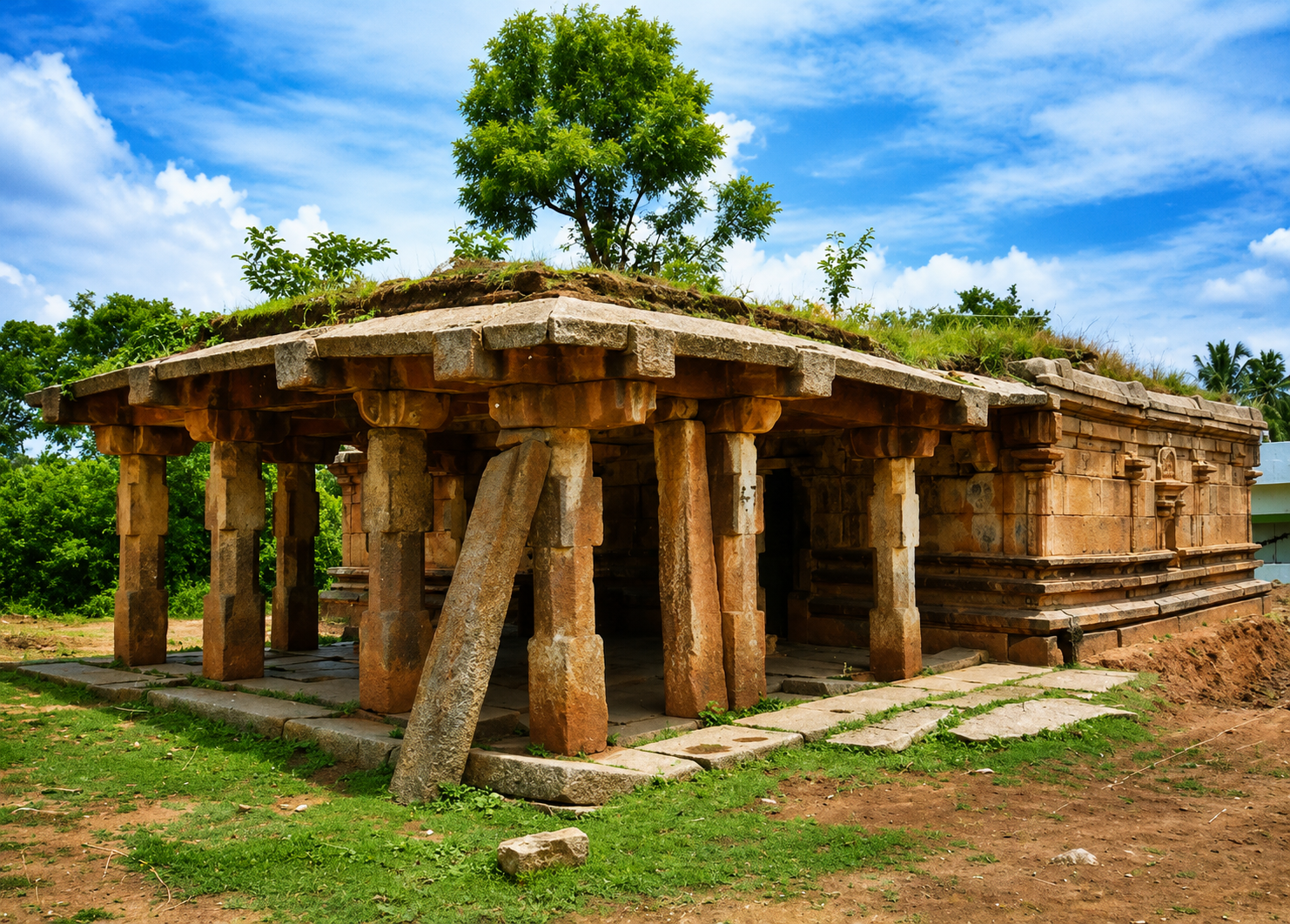
Sondekoppa is a village located at 7kms from Nelamangala and on the Nelamangala- Tavarekere road. Sri Kashivishveshwara Temple must have been built in around 9 th -10 th century AD. It has strong influence of the architecture of Chola dynasty. Mukhamantapa of this temple was built during Vijayanagara dynasty. The restoration of the temple was carried out during 2005-06 at a Cost of Rs.9.00 Lakhs.
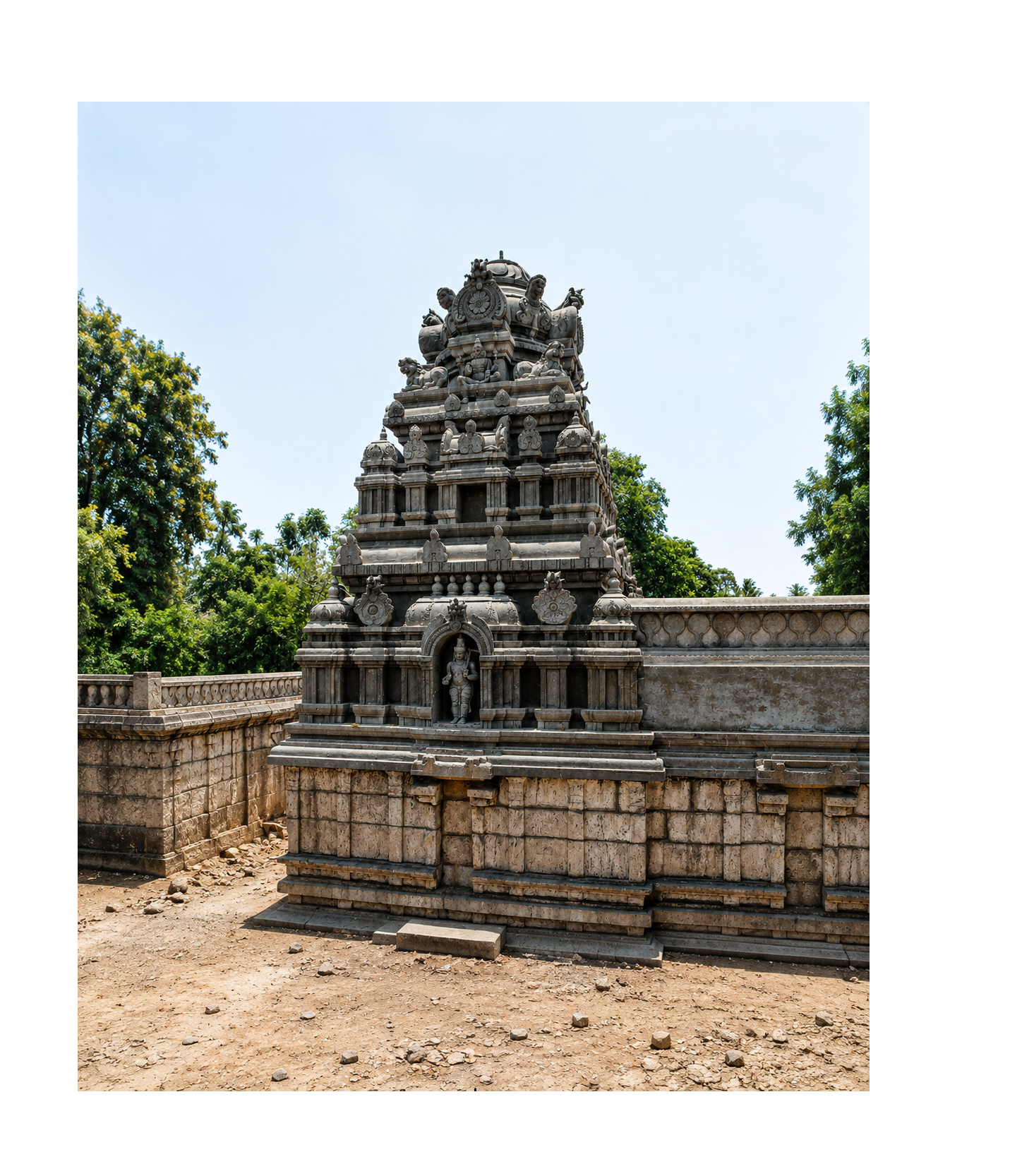
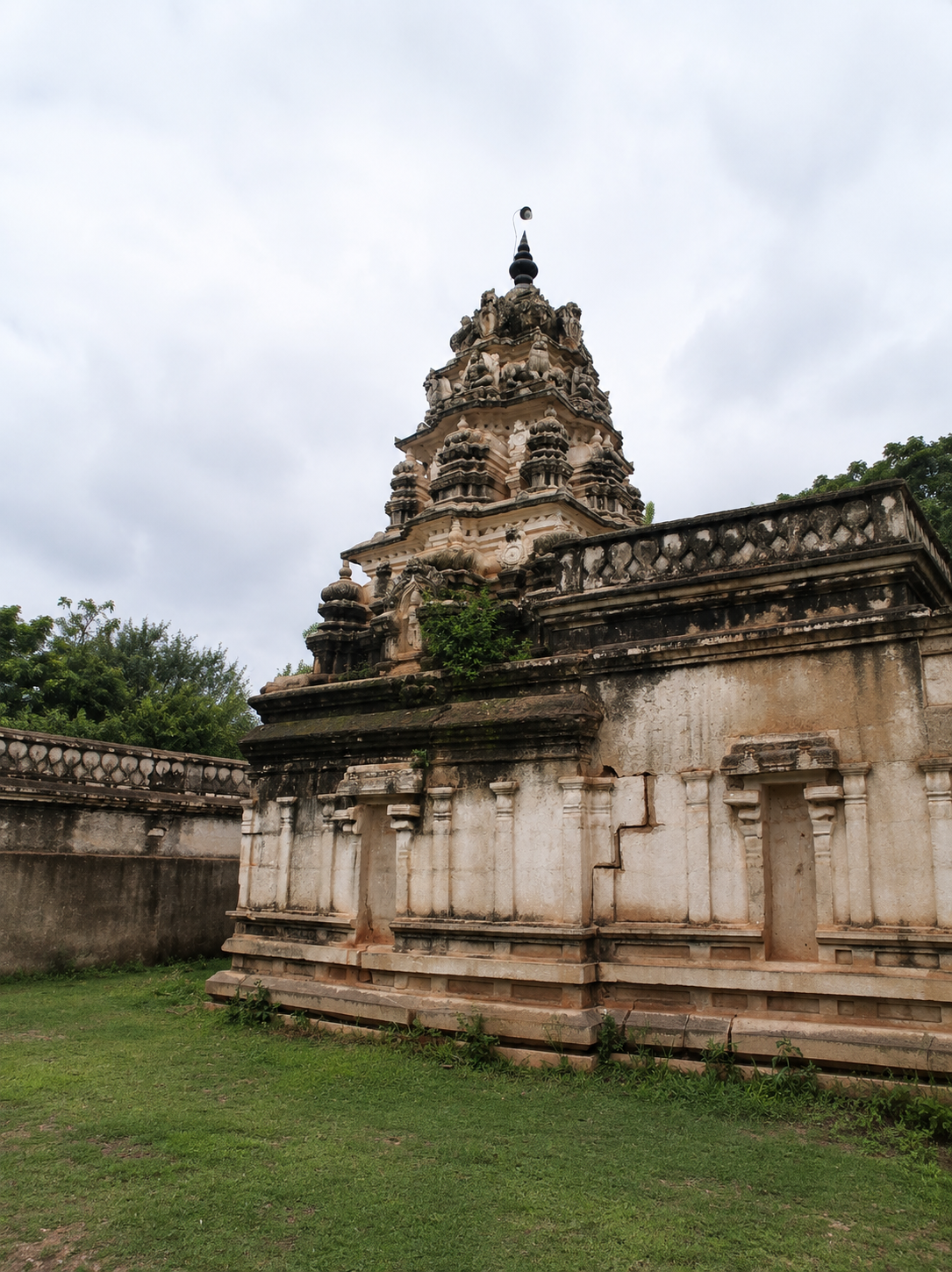
Anekal township, a taluk Head Quarter, is at a distance of about 30kms from Bangalore city. The architecture of Sri Ramadevaru Temple can be traced back to the early era of Chola dynasty, and the temple was built in the typical Dravidian style. The restoration work of this temple took about 2years time (1996-1998) to complete at a Cost of Rs.14.75 Lakhs. Daily pooja is being performed and which attracts many a number of devotees.
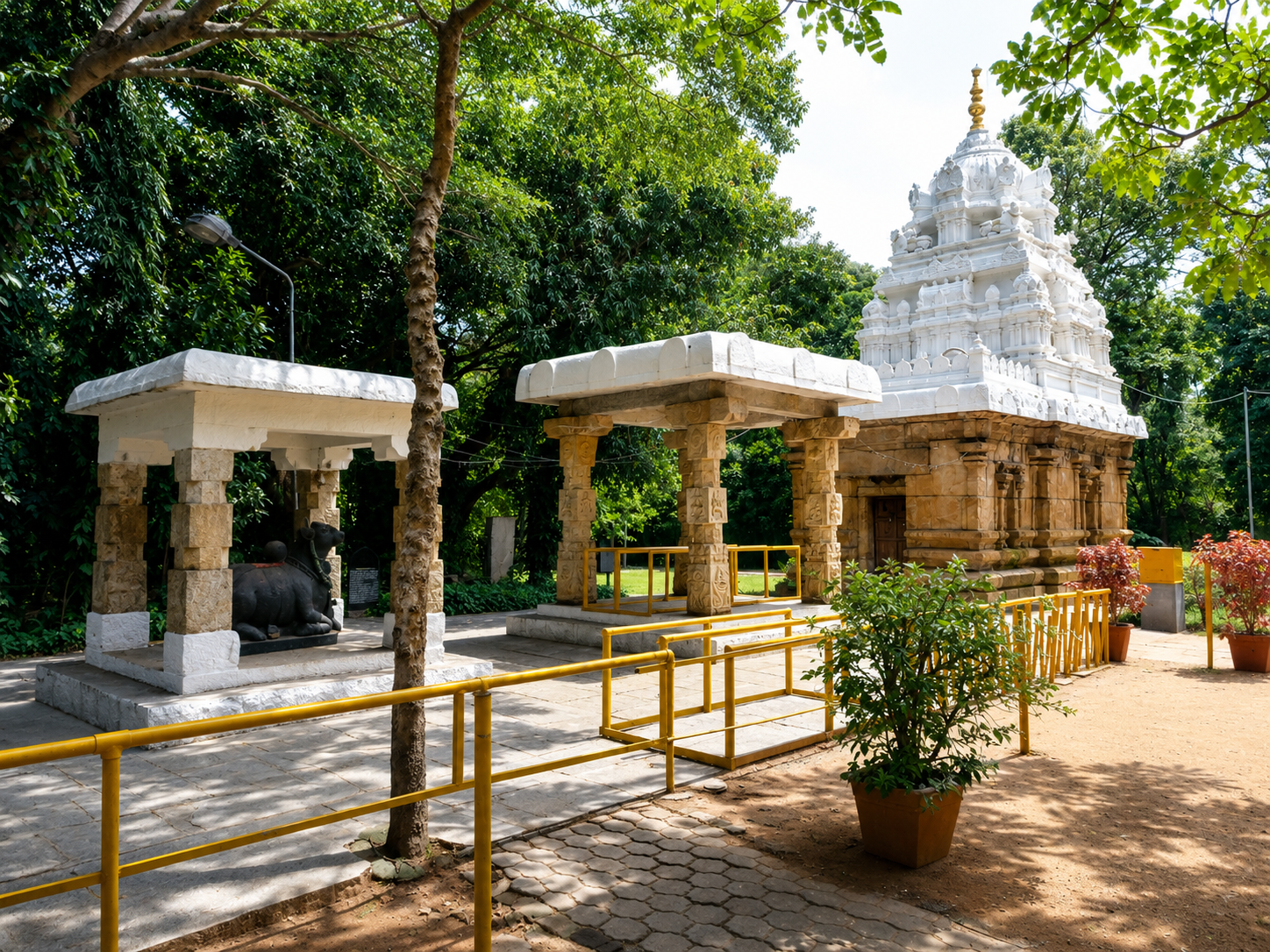
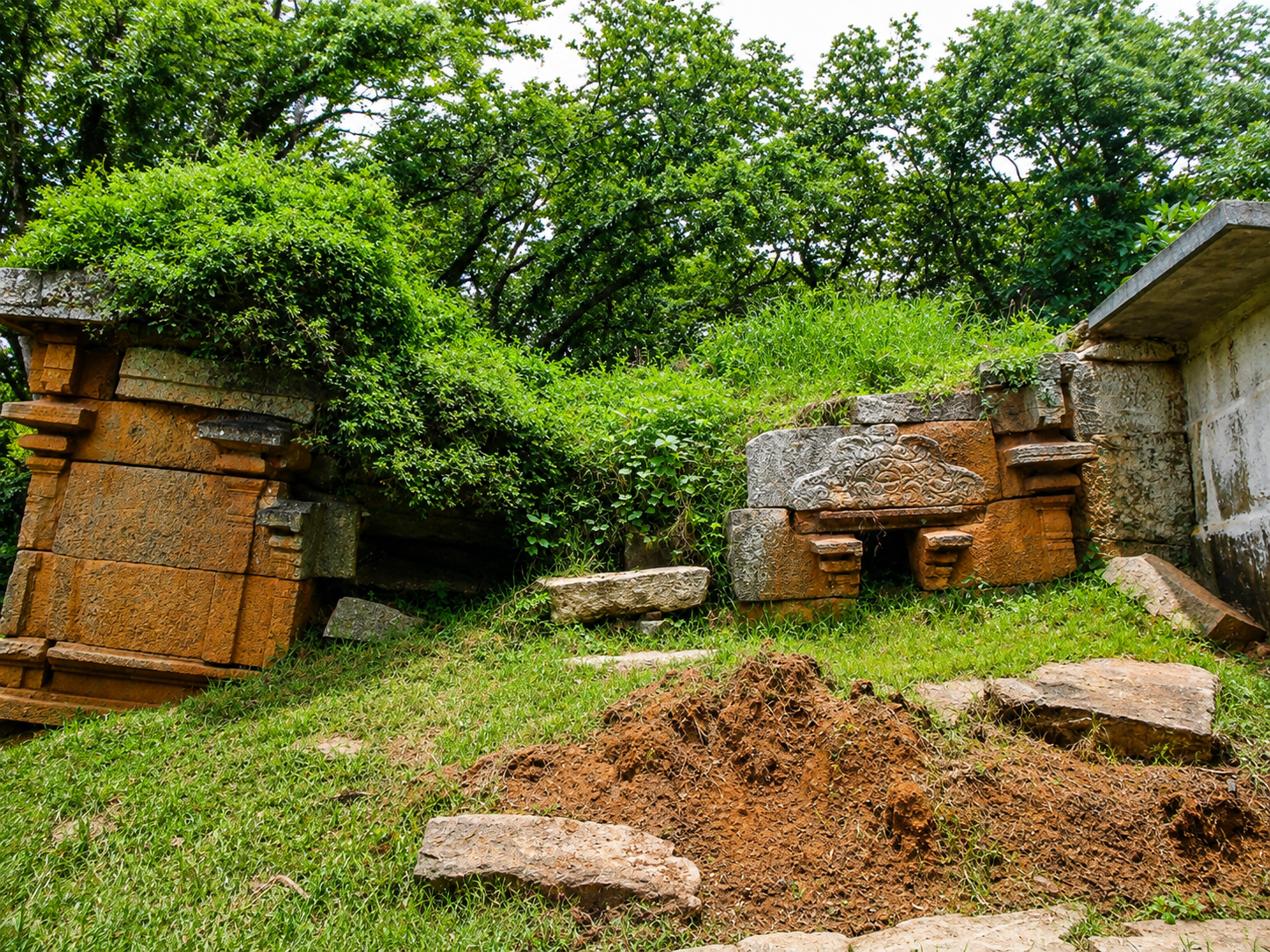
Belur is a village situated inside the NAL campus of Bangalore city. Sri Someshwara Temple was built in 11 th century AD and belonged to early era of Chola dynasty. However, the inscriptions found in the temple relate to the Hoysala and Vijayanagara dynasties. The restoration work of this temple took about one year time and completed in the year 1993 at a Cost of Rs.1.56 Lakhs. Shikhara over the Garbhagudi was built afterwards. The temple inside the NAL campus at Bangalore is well maintained and daily pooja is also being performed.
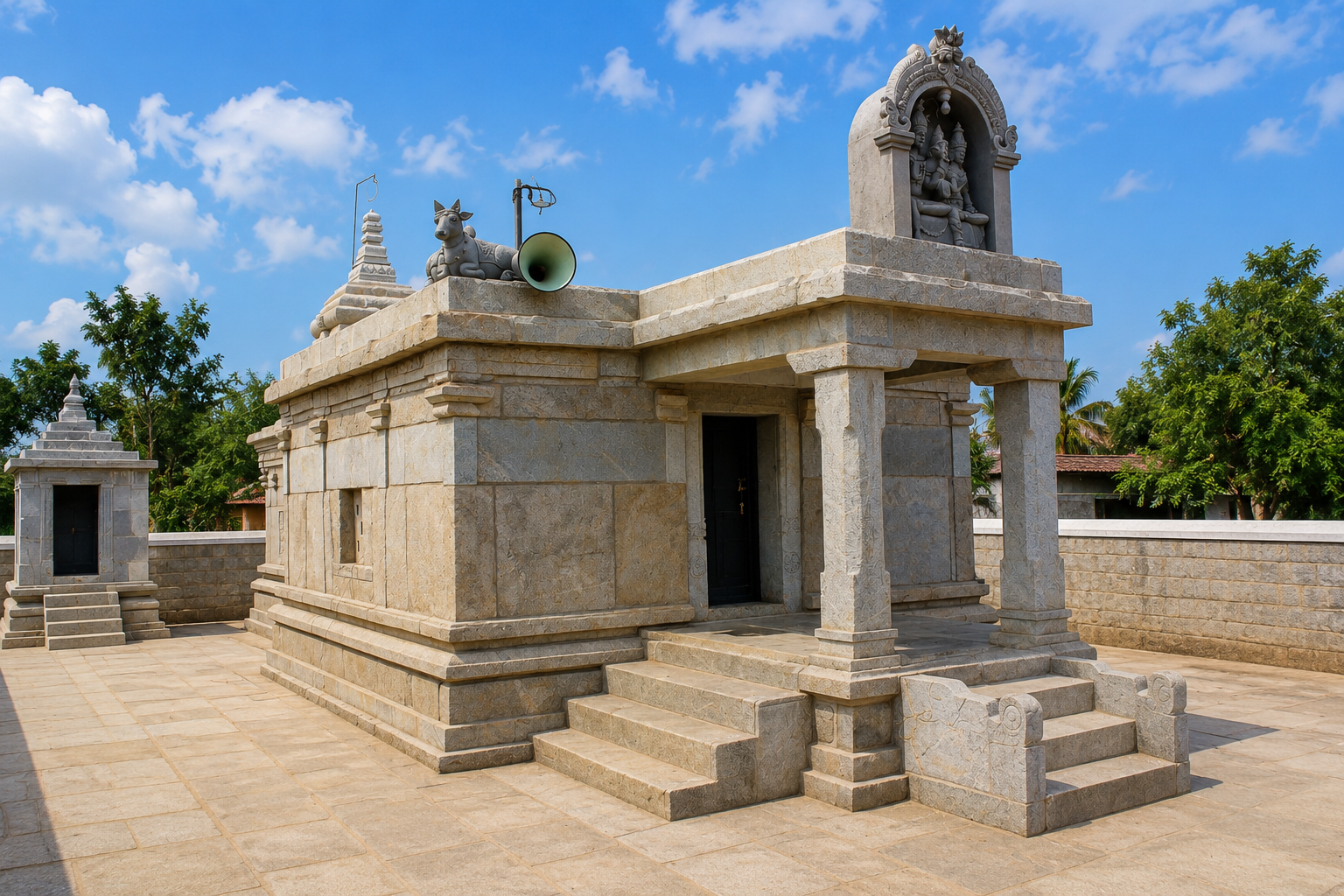
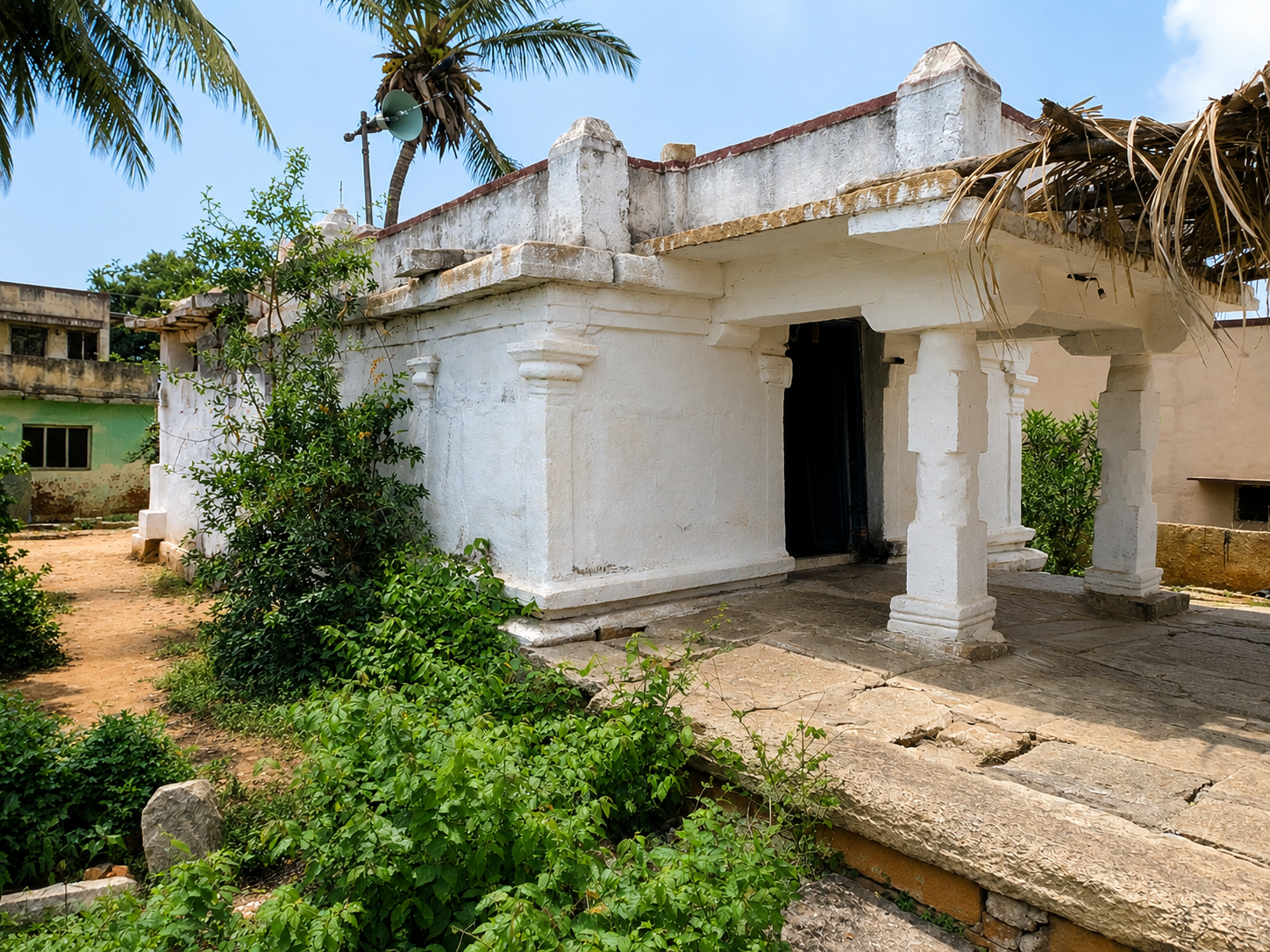
Gandarajapura village is situated at a distance of about 7kms from Doddaballapur town and on the way to Nandi Hills. Sri Umamaheshwara Temple was built in 10th century AD and relates to Ganga style of architecture. The restoration work of the temple taken up during 2013 at a Cost of Rs.17.50 Lakhs. The structure is completely dismantled and reconstruction work is in progress and which may complete by next three months.
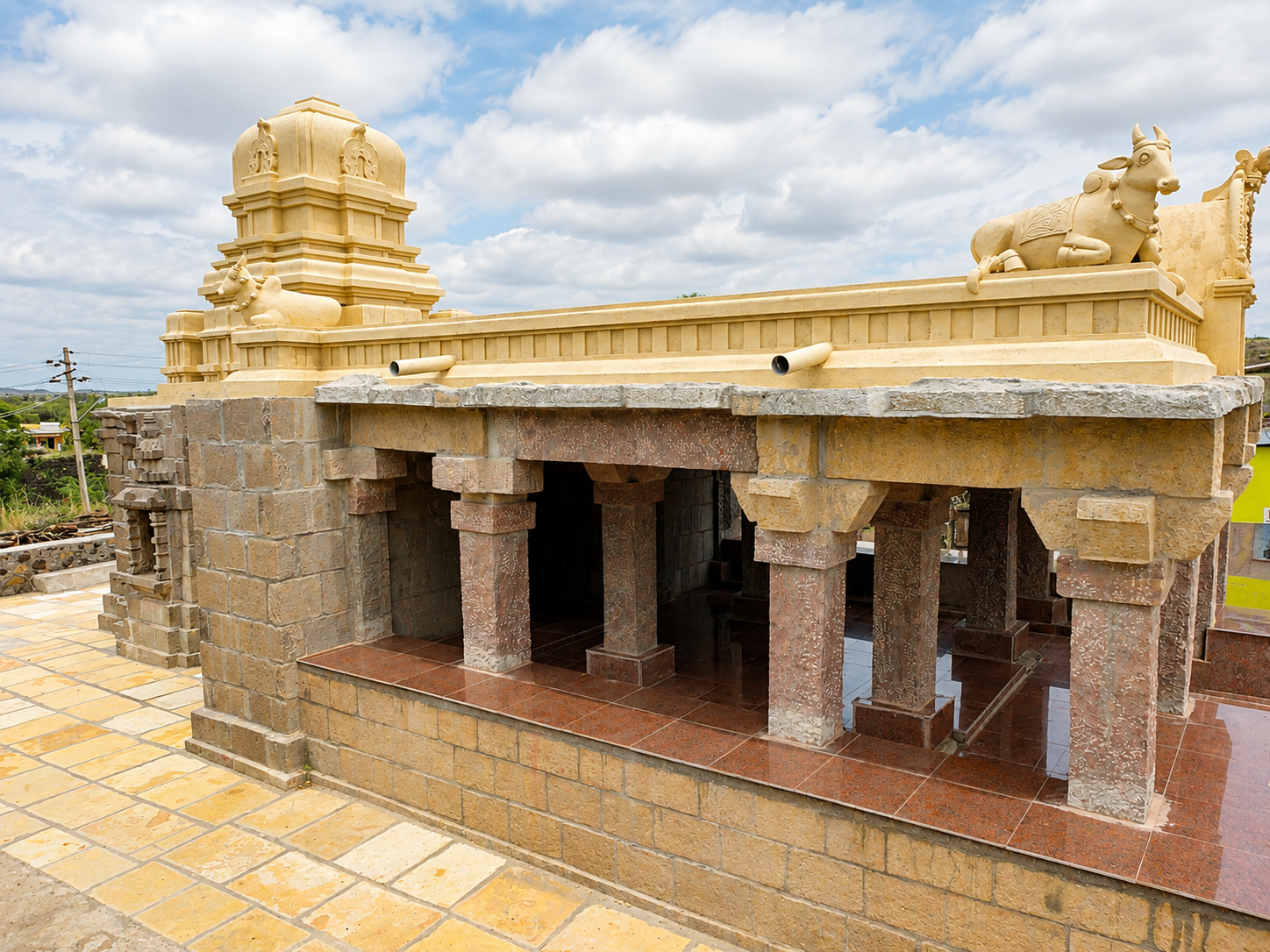
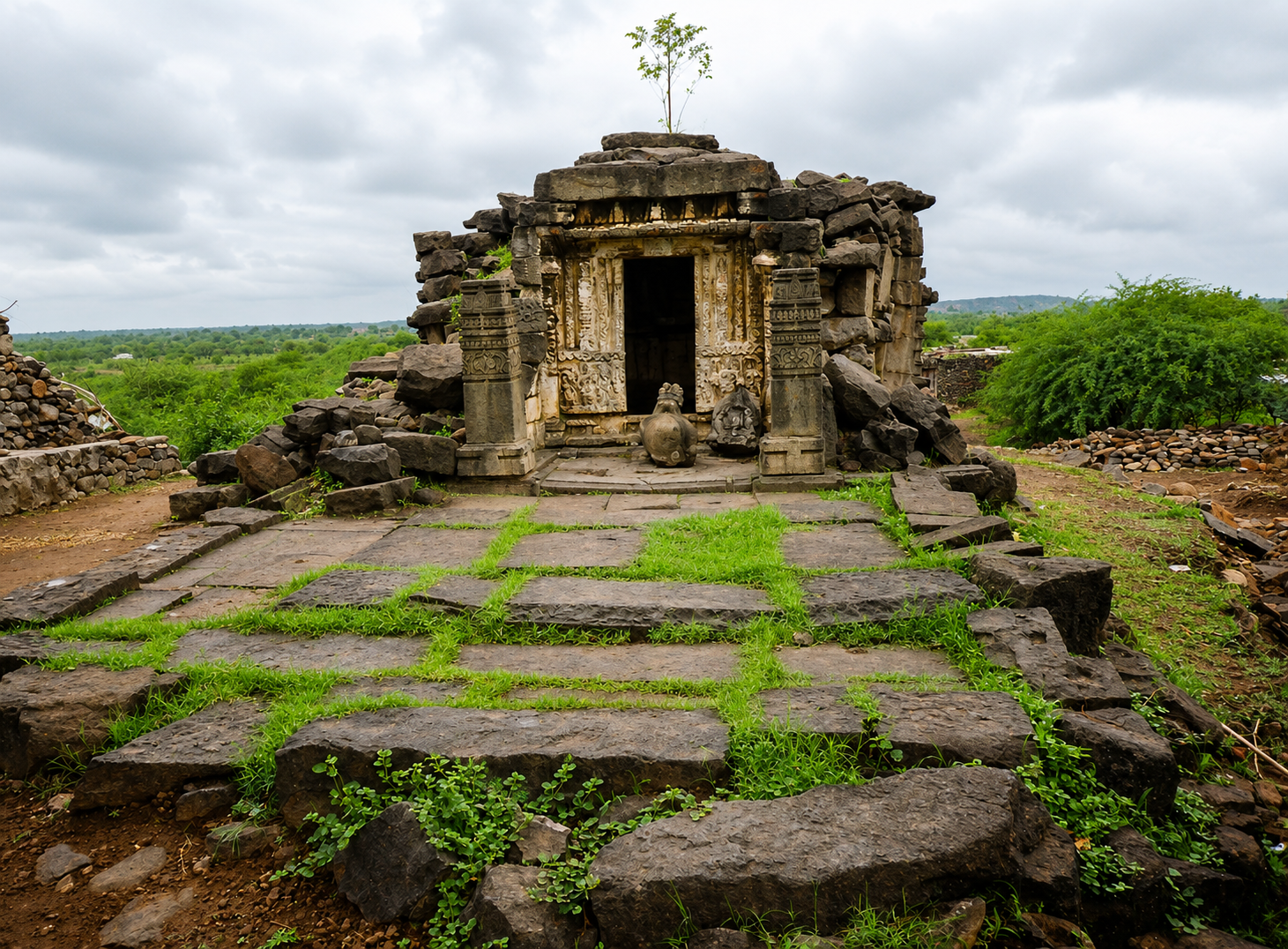
Halagunaki village is located at a distance of 20kms from Indi town and 5kms from Horthi a place passes through Bijapur-Sholapur highway. Sri Ramalingeshwara Temple was built in around 9 th -10 th century AD and was in total dilapidated condition, with the structural reminiscent of only Garbhagriha. The restoration work of this temple, started in July 2007, had completed in November 2009 at a Cost of Rs.12.10 Lakhs. After restoration of the temple, the daily pooja is being performed and is attracting many a number of devotees.
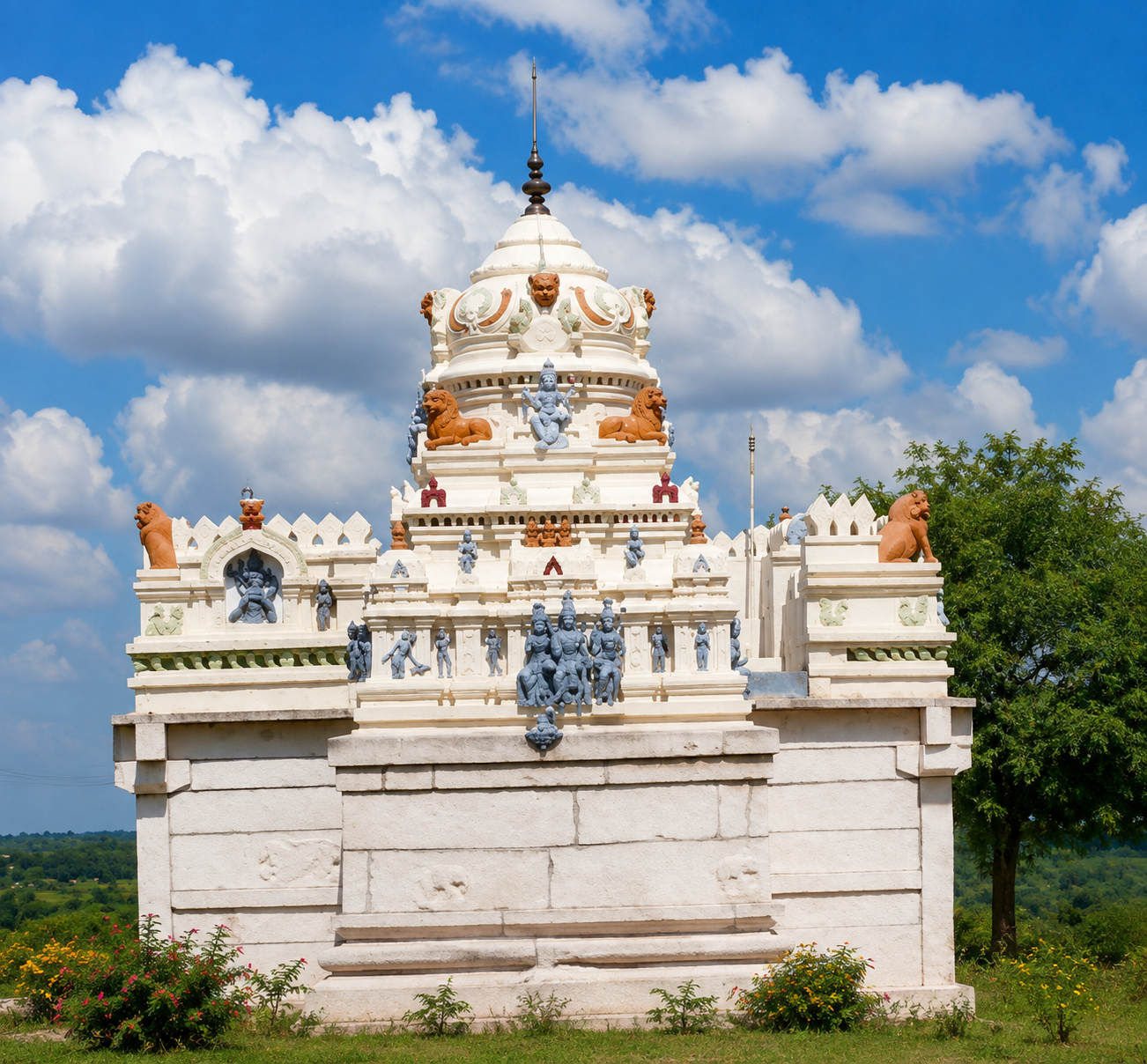
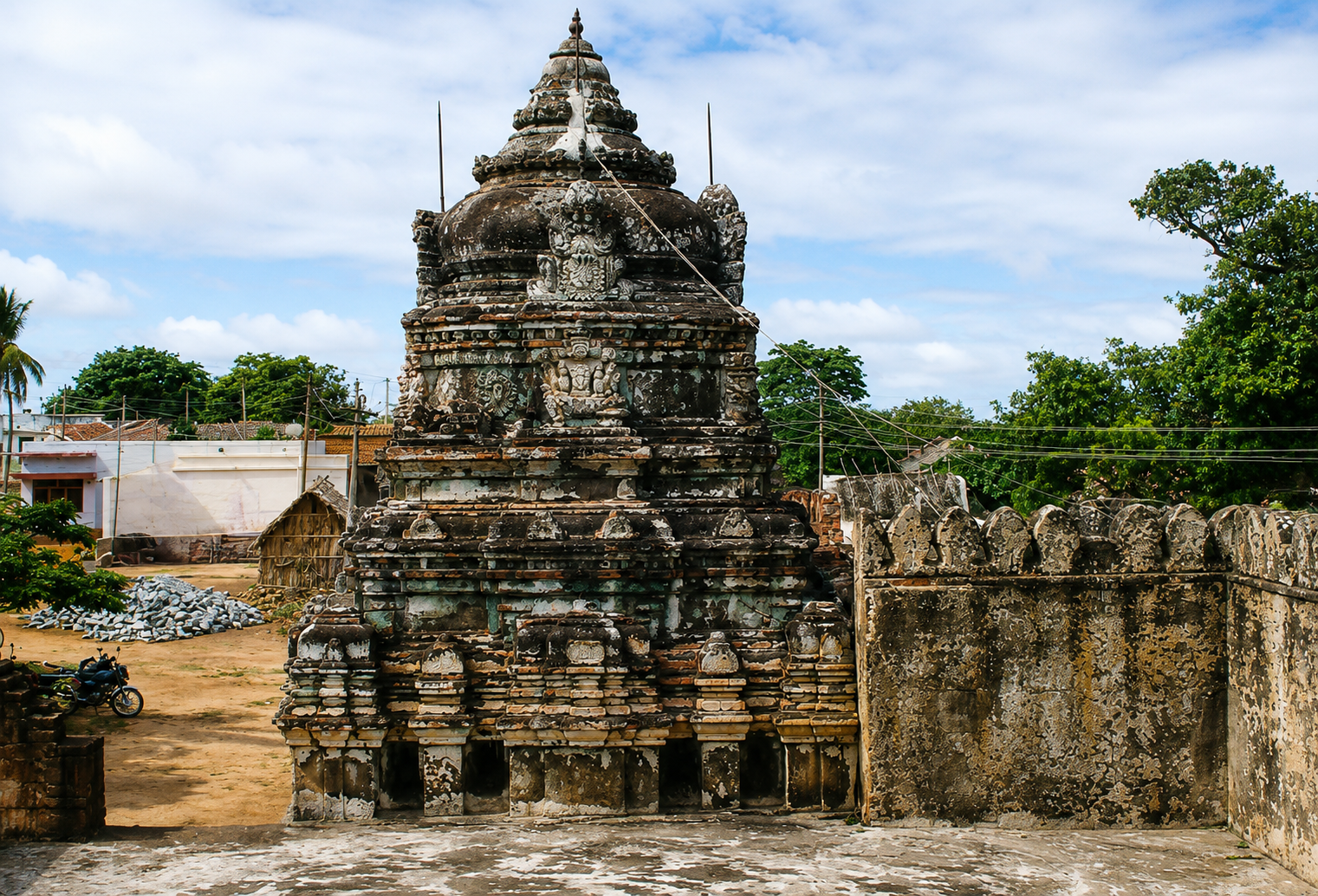
Abbinahole village is situated 26kms from Hiriyur town and adjacent to Hiriyur-Dharmapur Highway. The restoration work of Sri Ranganatha Temple took up during 1997-99 at a Cost of Rs.5.51 Lakhs. After restoration of the temple, the daily pooja is being performed and attracting many a number of devotees.
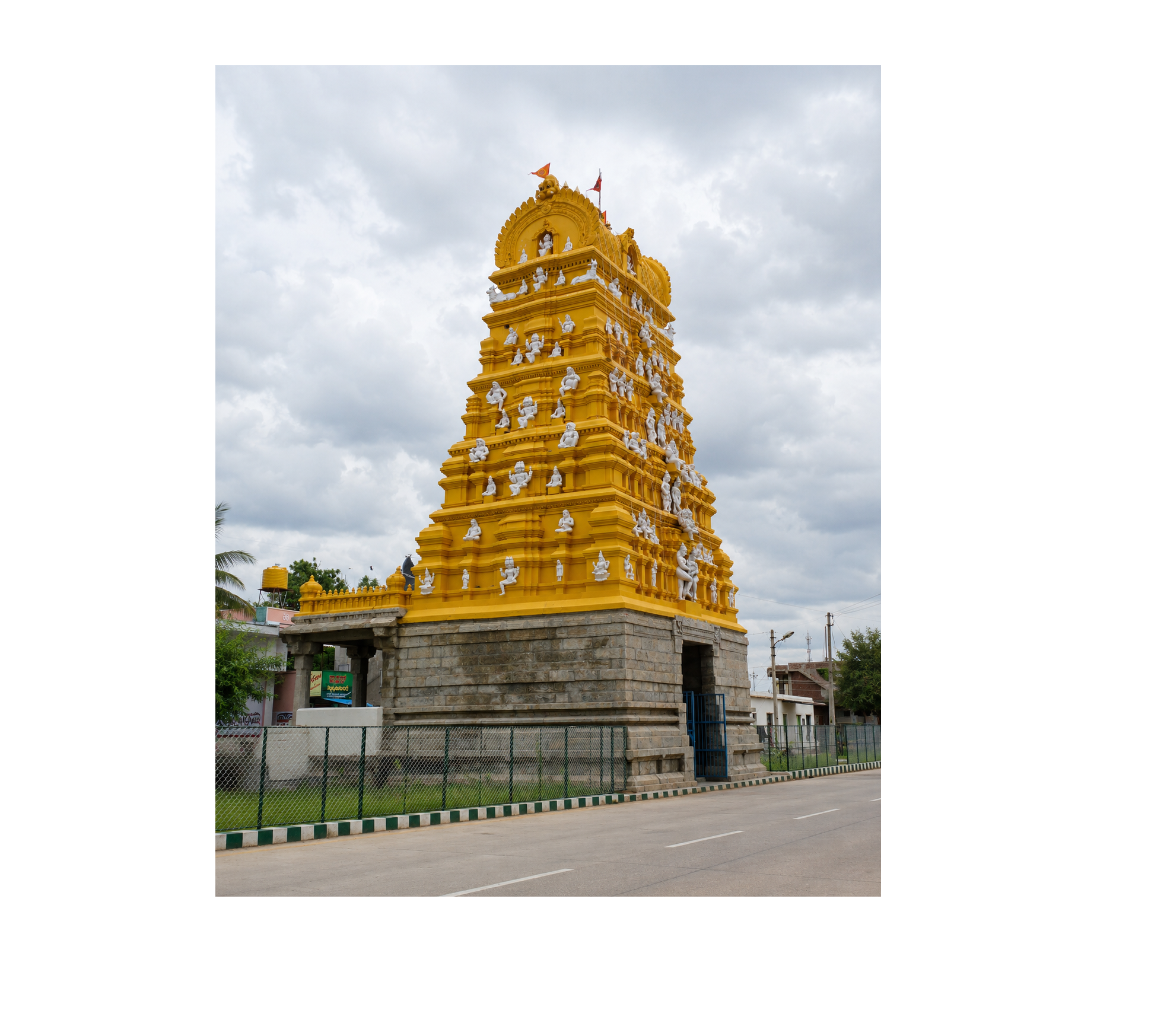
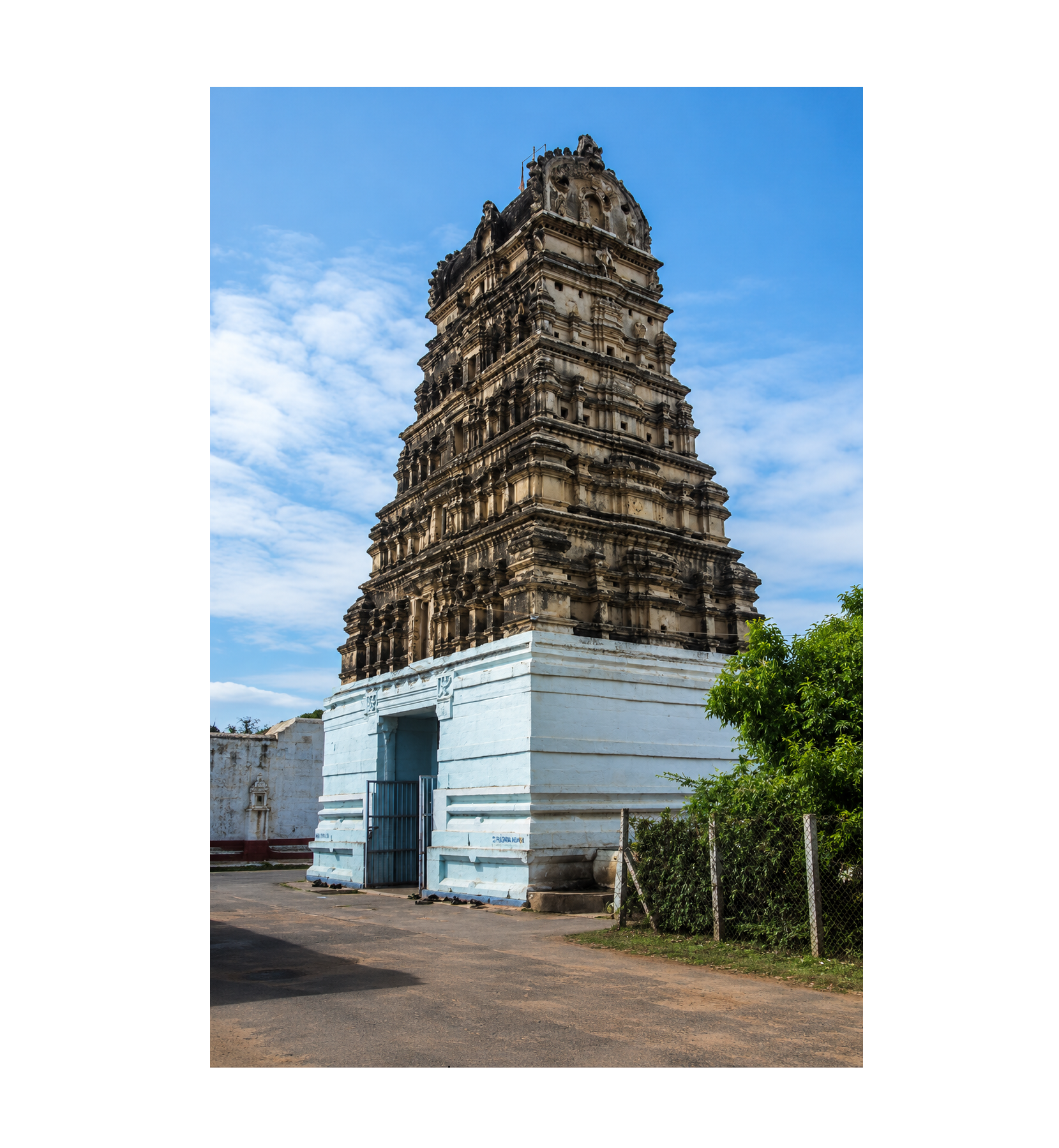
Hiriyur town is situated on Bangalore-Pune National Highway at a distance of 30kms from Chitradurga towards Bangalore. Sri Terumalleshwara Swamy Temple built in 15th century AD, could be traced back to the era of Odeyars’ dynasty from the style of Mahamantapa. The restoration work took up during 2002-04 at a Cost of Rs.12.50 Lakhs. Subsequently during 2007-09 Rajagopura was renovated. This temple under the control of Muzrai Department is attracting good number of devotees in and around Hiriyur town.
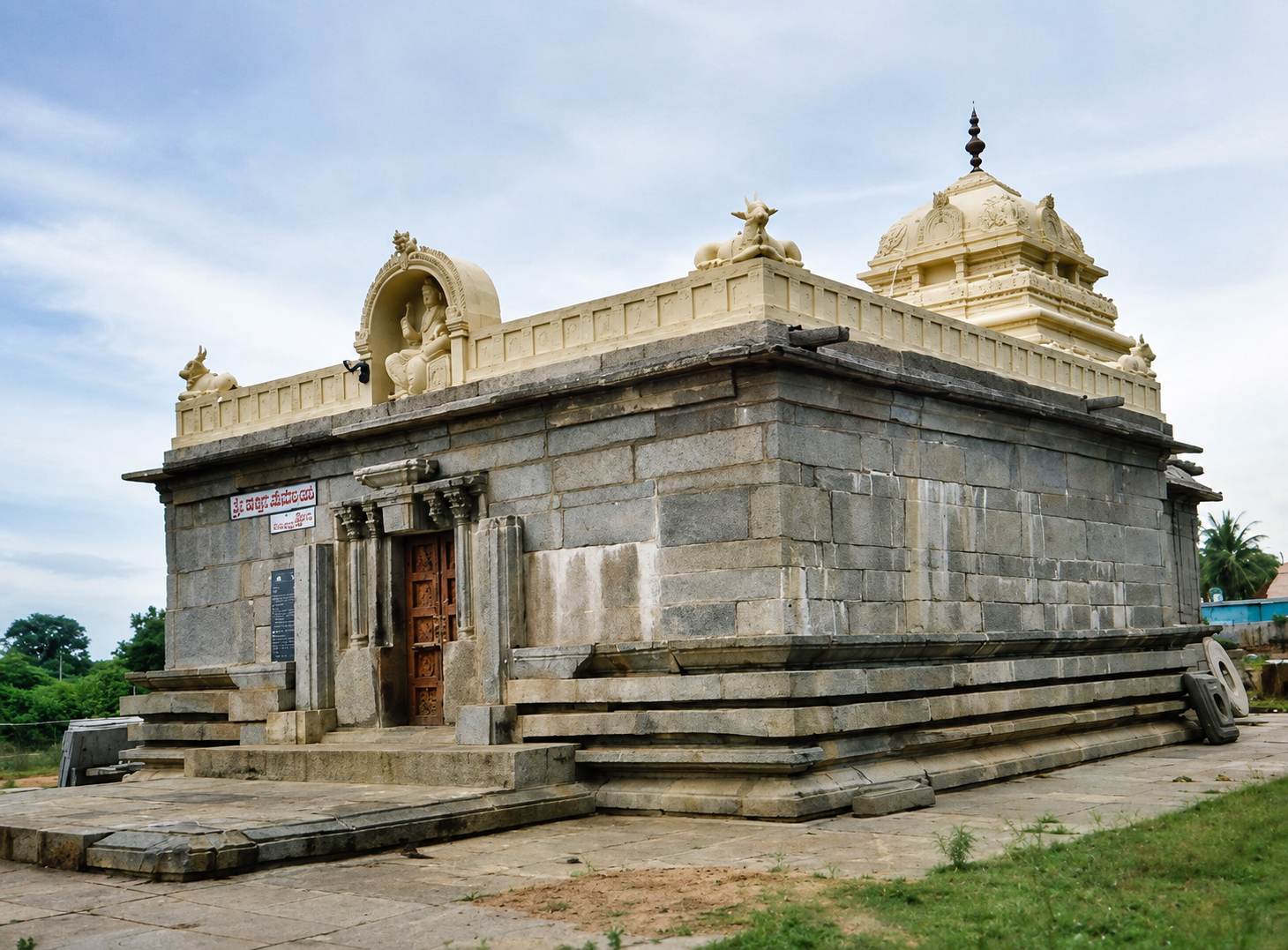
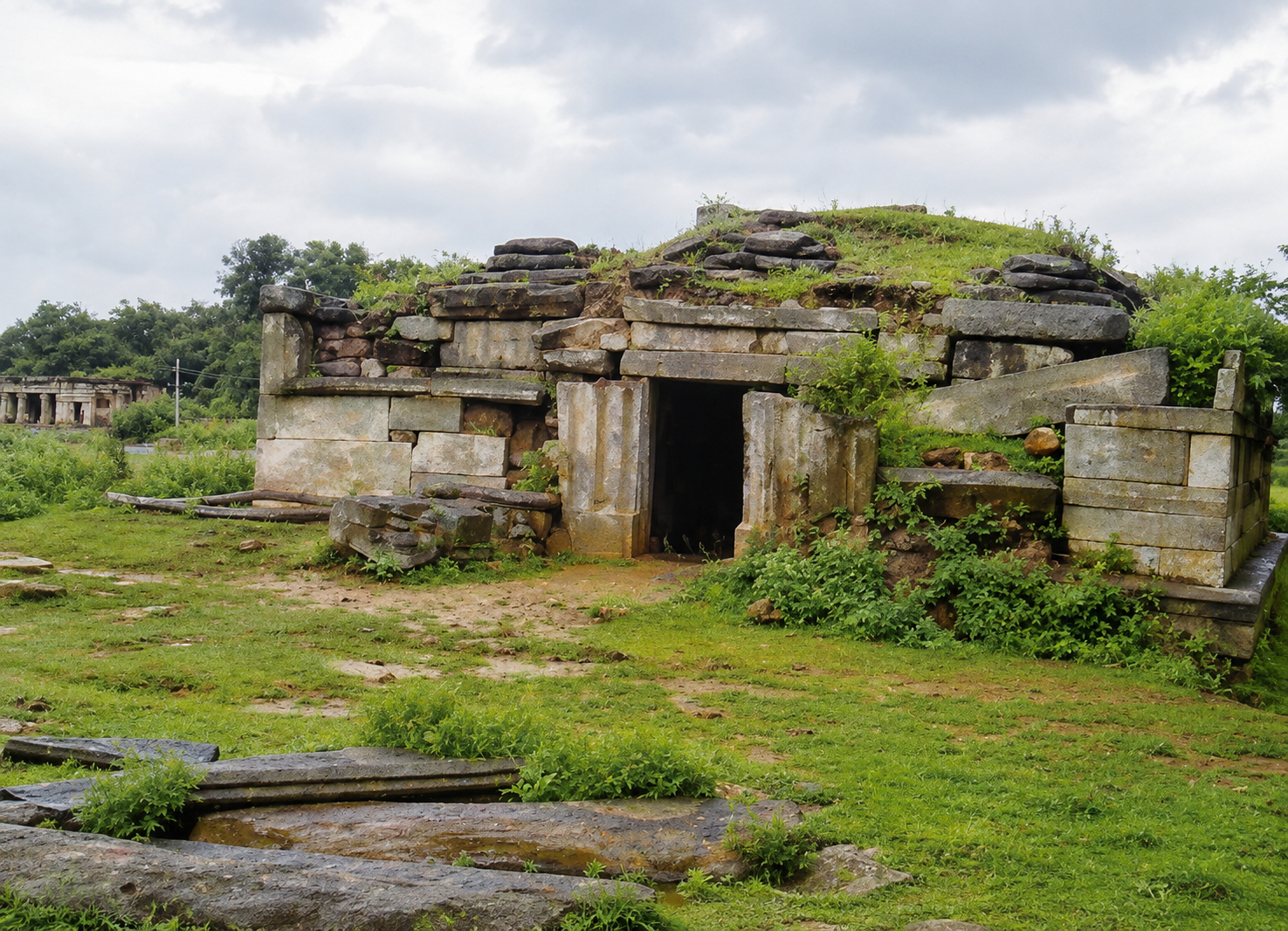
Dummi is a village located at about 10kms from Holalkere town. Sri Eshwara Temple was built in around the 9 th -10 th century AD. Its architecture, in a later Chalukyan style, could be traced back to the era of Rashtrakuta dynasty. The temple comprises a Garbhagriha, Antarala and Navaranga. The temple was in total ruins and was covered with mud and shrubs. The structure could be hardly seen. Today the temple is back to its original form. Restoration work of the temple took place during 2006-07 at a Cost of Rs. 8.00 Lakhs. After the restoration work, the daily pooja is being performed and attracting many a number of devotees.
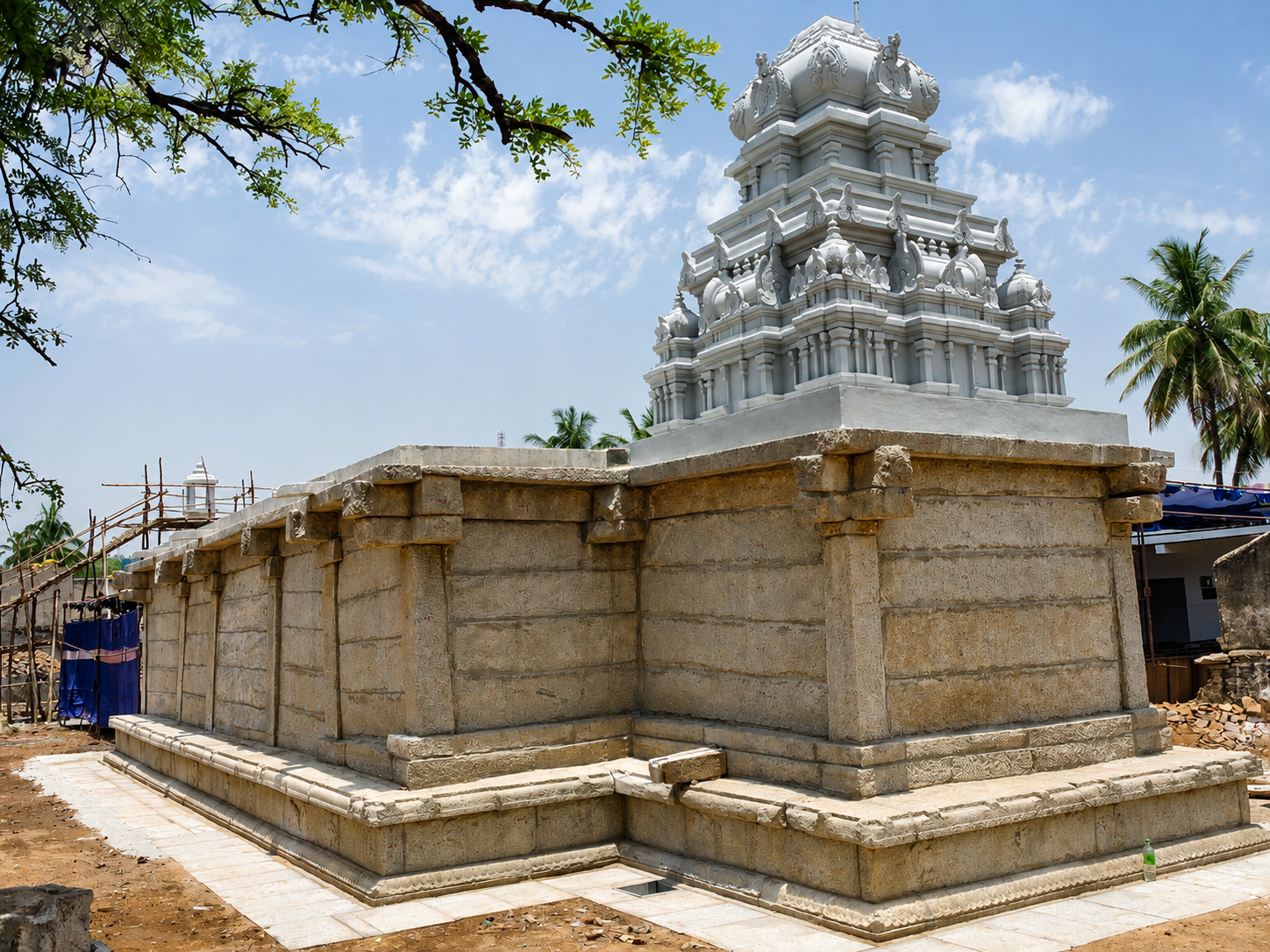
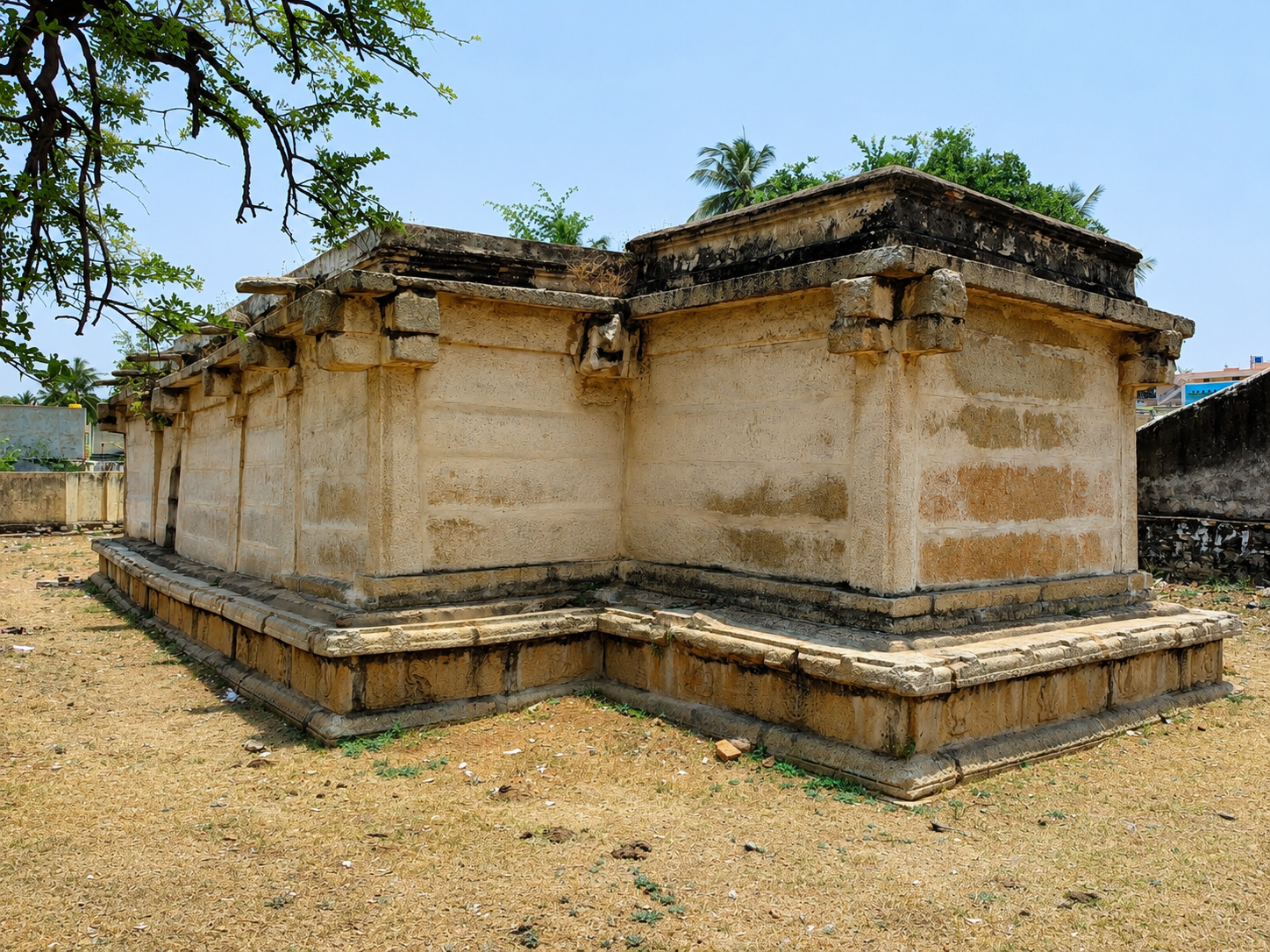
Gudibande town is at a distance of about 76kms from Bengaluru and 14kms from Perasandra passing through Bengaluru-Hyderabad National Highway. Parshwanatha Basadi was constructed in 11th century A.D. during the period of Ganga Dynasty. The Basadi was in dilapidated condition due to vegetational growth over the roof. The Basadi was totally dismantled & re-constructed after strengthening the foundation. Suitable New Shikhara was built over Garbhagriha. The restoration work took place during 2014-15. Daily pooja is being performed after restoration.
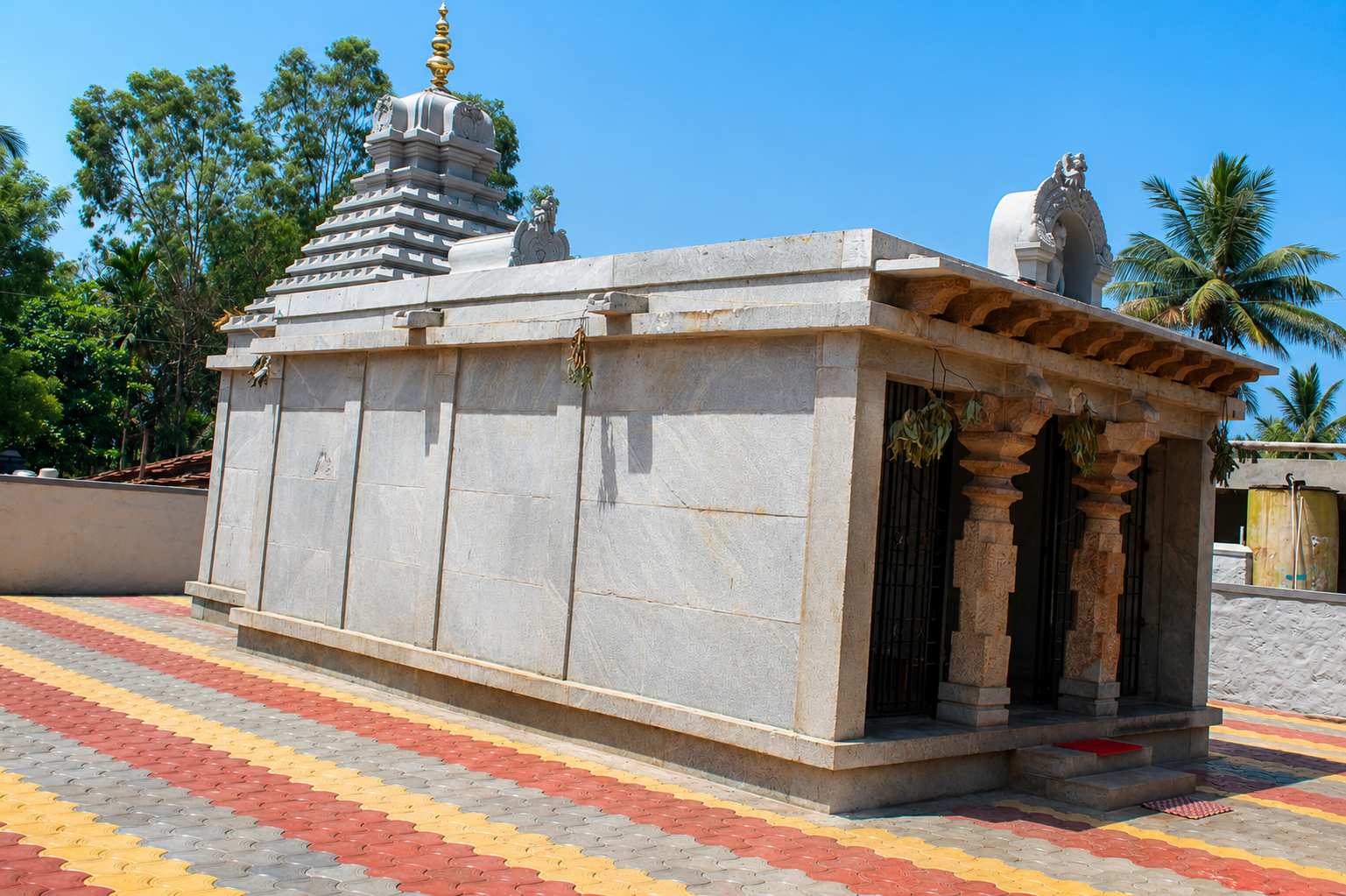
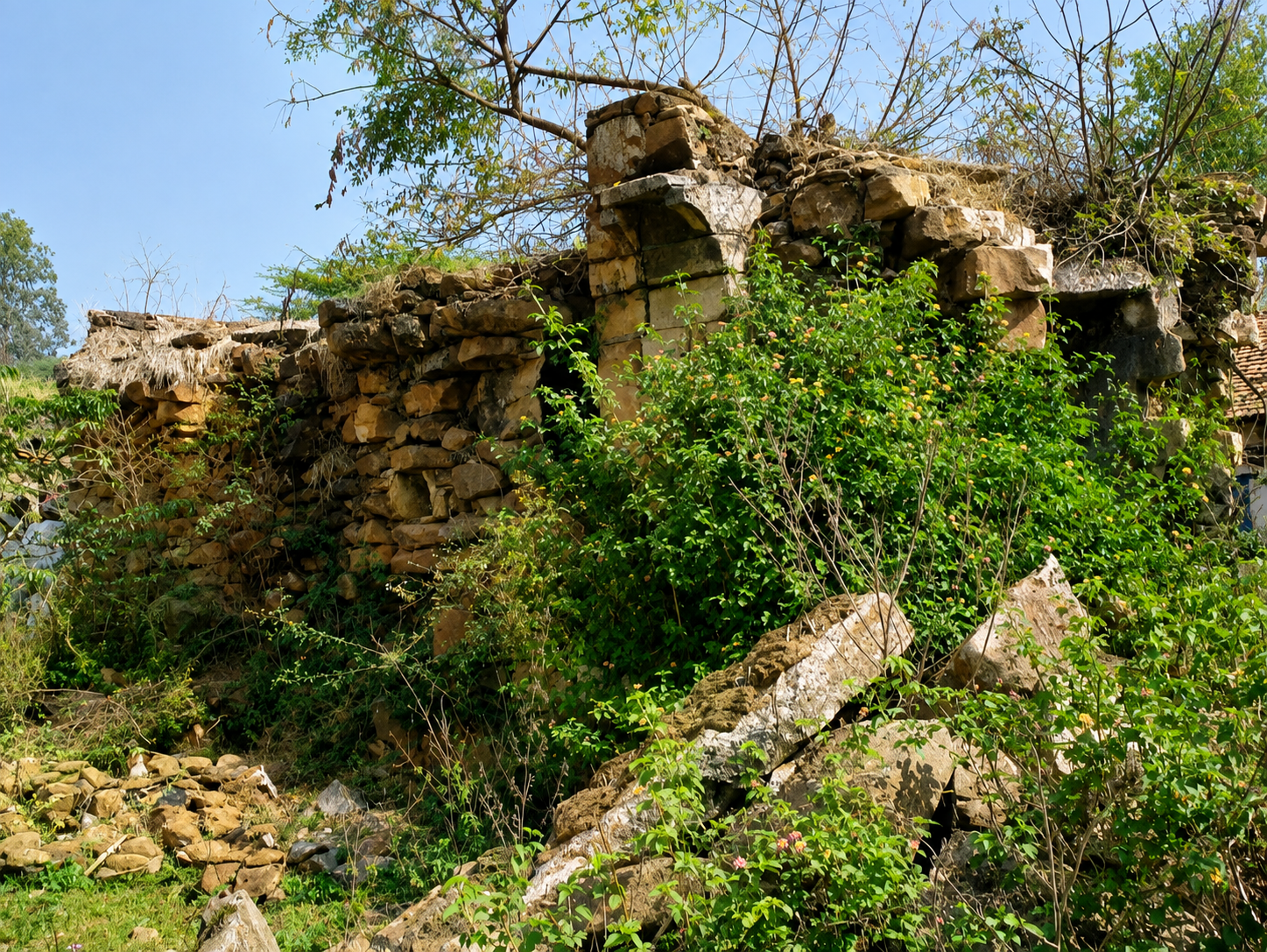
The village Benduvada is situated at a distance of about 45kms from Belgaum city. Sri Parshwanatha Basadi at Benduvada was identified for restoration work. However the work could not be commenced as the land adjacent to basadi is to be secured. This Basadi is about 800 years old and is in total dilapidated condition. The restoration work took place during 2010-11 at a Cost of Rs. 14.00Lakhs.
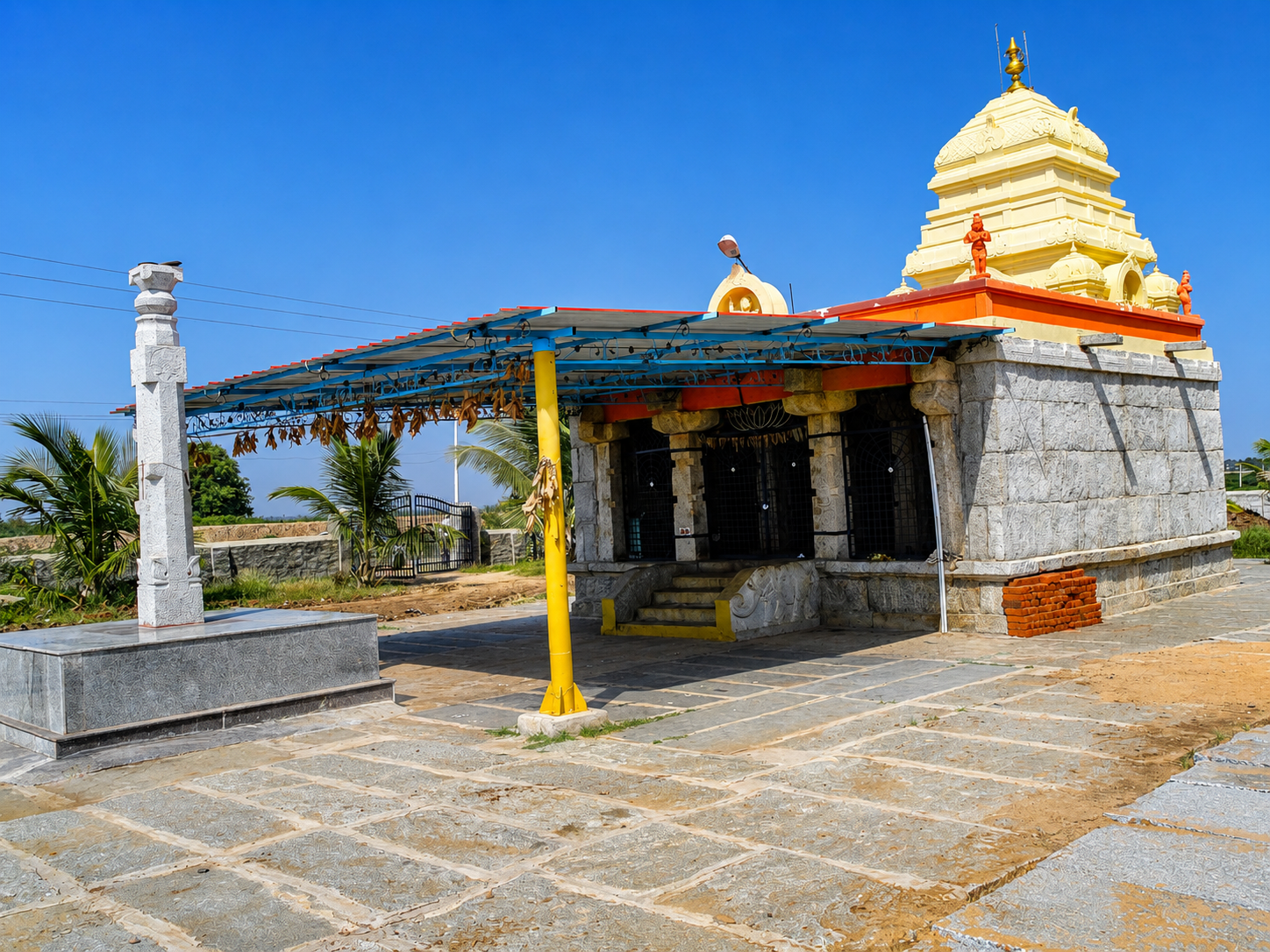
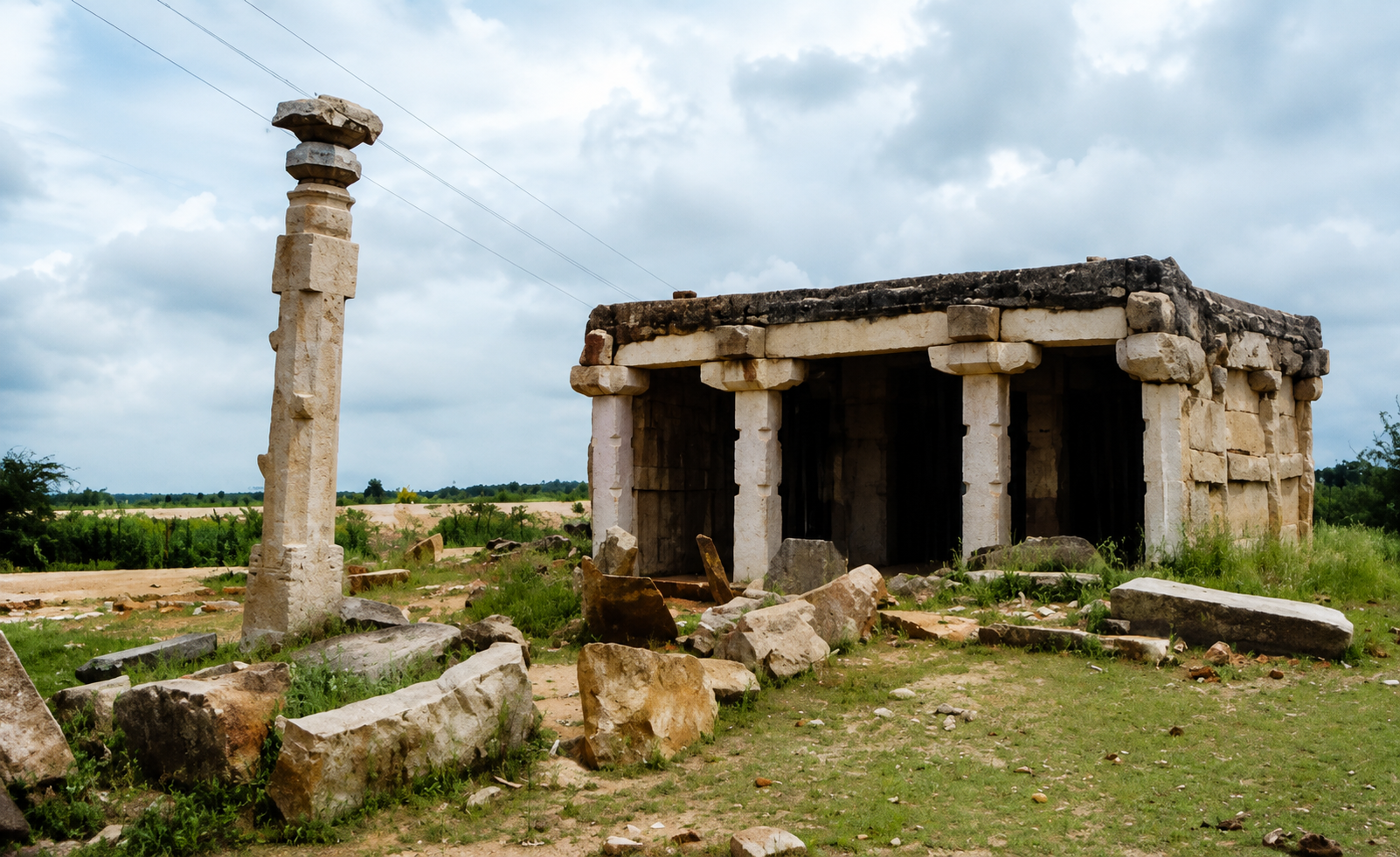
Rangenahalli is a village situated at a distance of 18kms from Hiriyur town and 8kms from Hiriyur-Bellary highway. Sri Anjaneya Swamy Temple was built in around 400 years ago. This ruined structure was completely dismantled and reconstructed after strengthening the adhisthana. All outer stones of the wall which were missing substituted with new stone slabs bringing it to its original form. The restoration work of this temple took place during 2006-07 at a Cost of Rs.10.00 Lakhs. After the restoration work, the daily pooja is being performed and which attracting many a number of devotees.
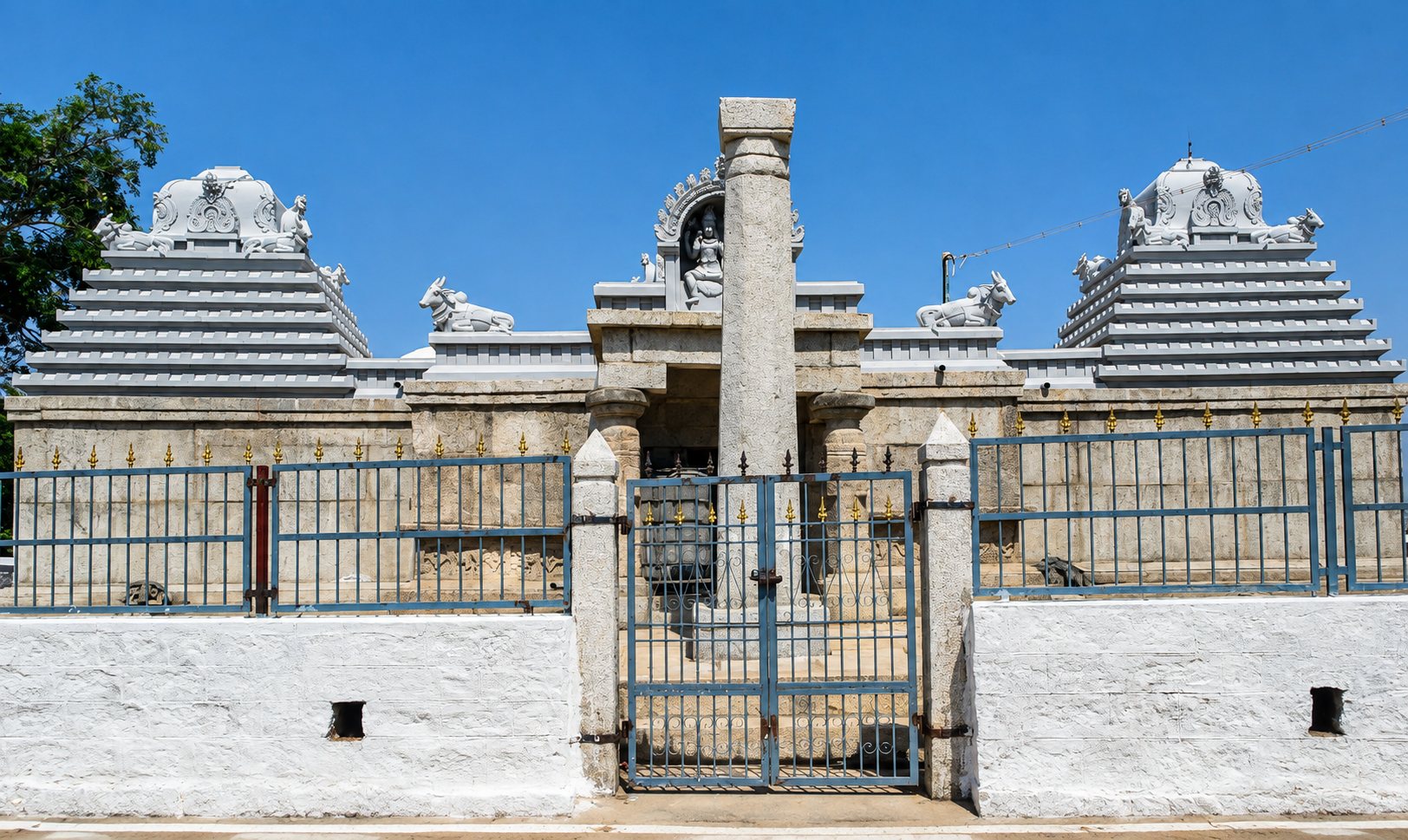
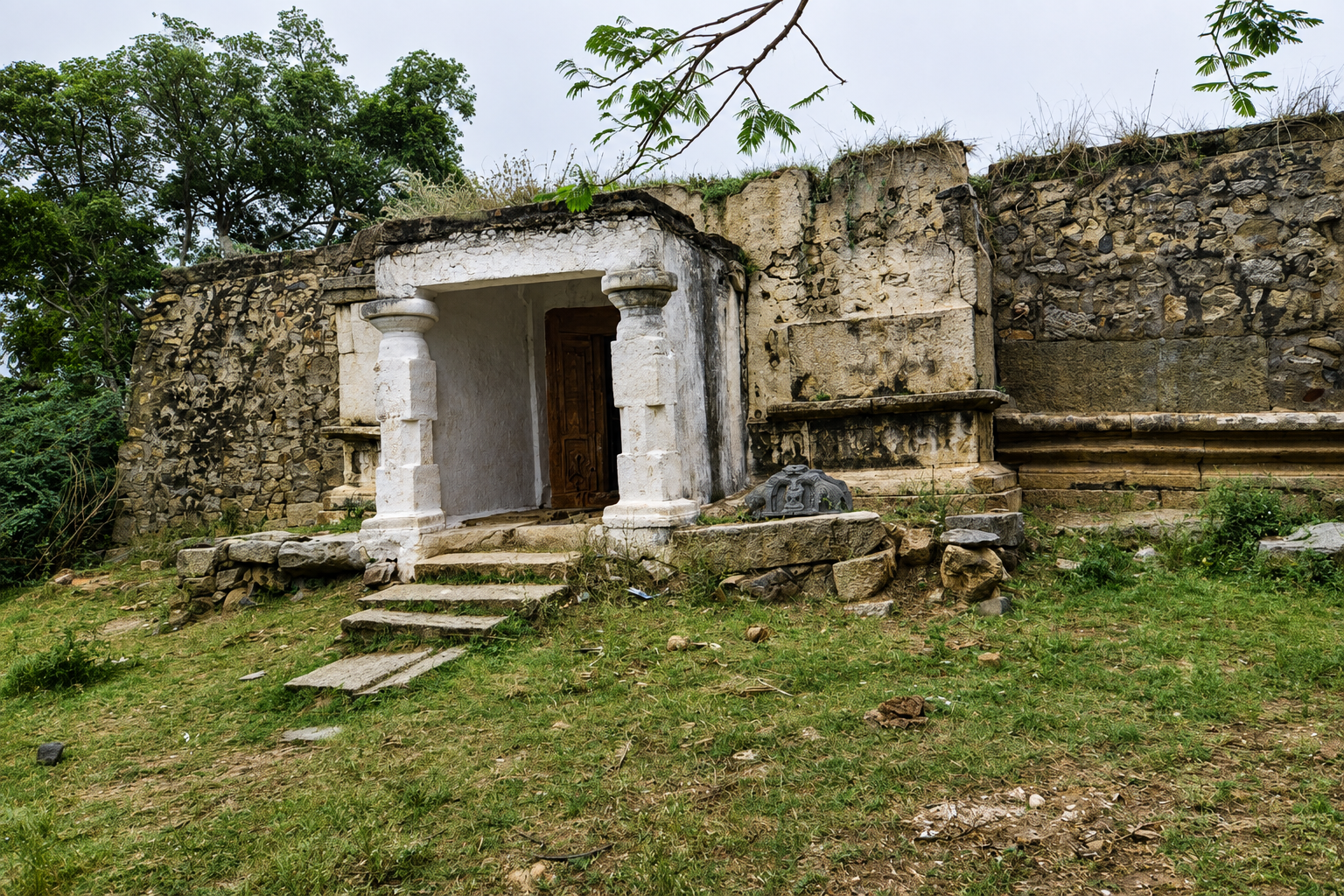
Mallapura village is situated at a distance of about 4kms from Chitradurga town on the Bangalore-Hospete National Highway. Sri Kalleshwara Swamy Temple was built in around 800 years ago. While the Gopura could be attributed to Kadambanaagara style of architecture, Garbhagudi is of Kalyana Chalukya style of architecture. The restoration work of this temple took place during 2011-12 at a Cost of Rs. 18.50 Lakhs. This ruined structure was restored after complete dismantling and strengthening the adhisthana. Major portion of missed stones were substituted with new ones. After the restoration work, the daily pooja is being performed in this temple and which attracting many a number of devotees.
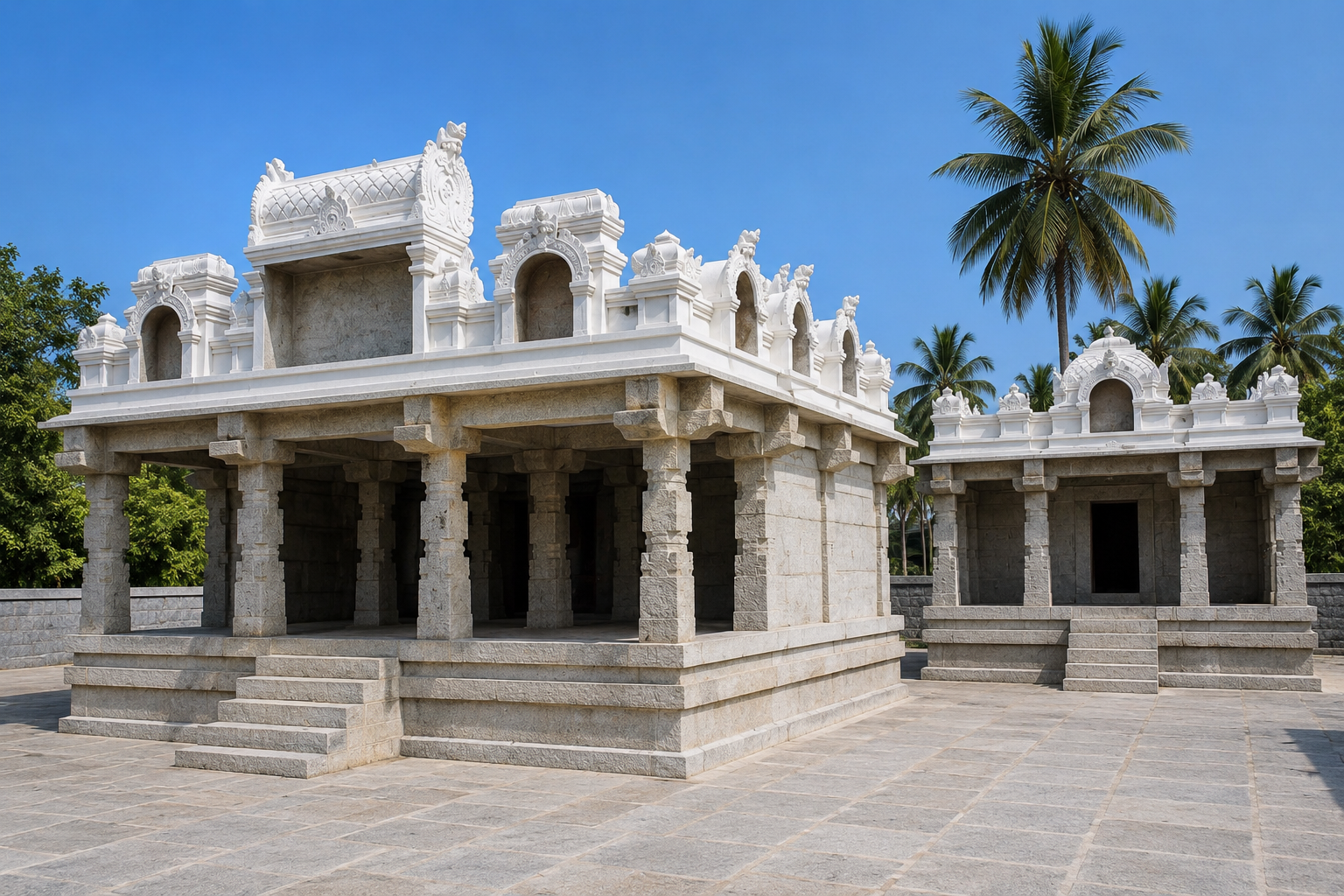
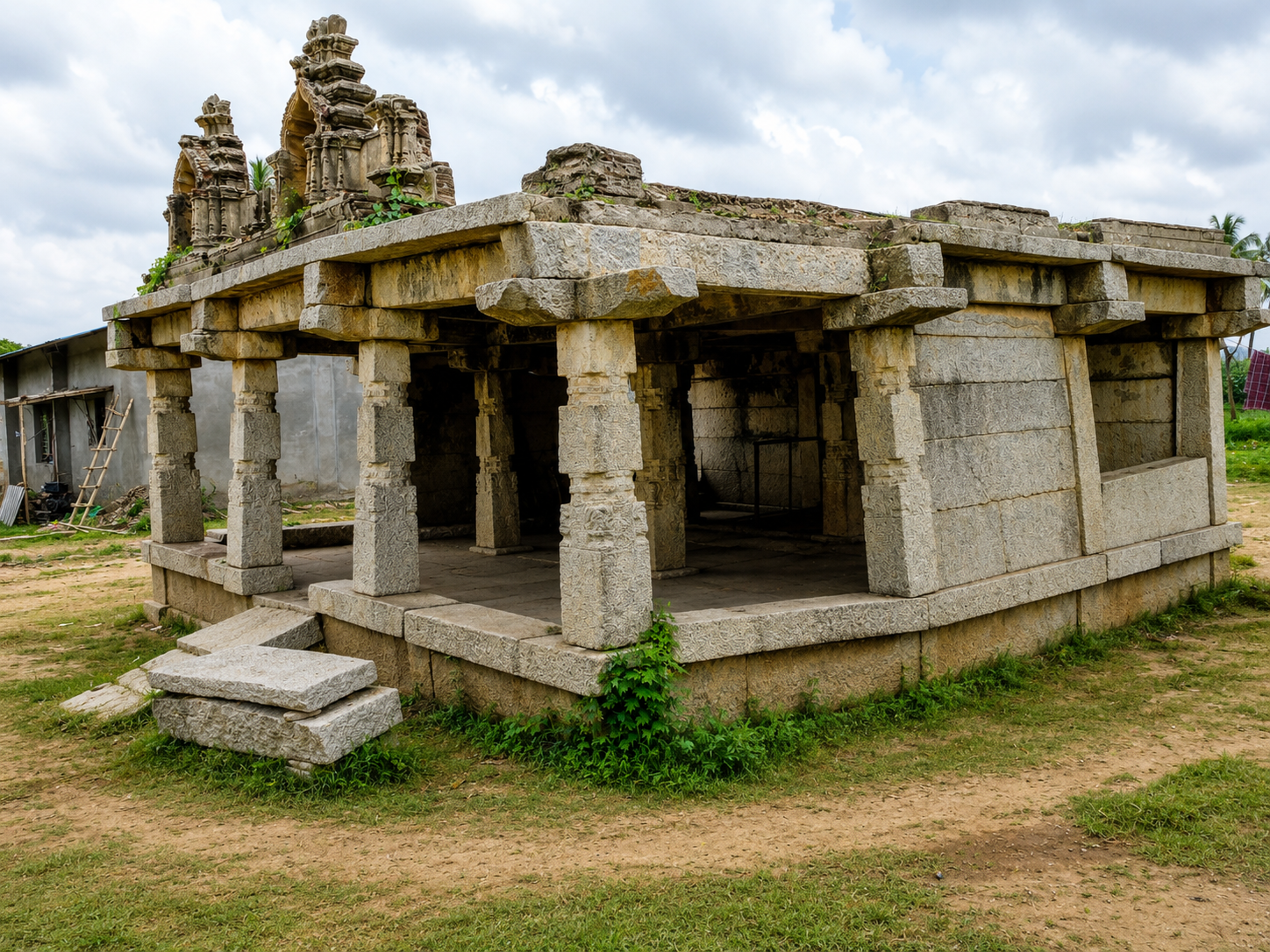
Srinivasa Sagara is situated about 10 Kms. From Chikkaballapura town adjacent to Chickballapura – Gowribidanur Road. Eshwara & Parvathidevi temple of Srinivasa sagara is about 500 yrs. Old and of Vijayanagara style. The dilapidated temples were totally dismantled and reconstructed after strengthening the foundation using the existing stone duly cleaned and substituting new stones in place of missed ones. The reconstruction of the temple took place during 2015-16.
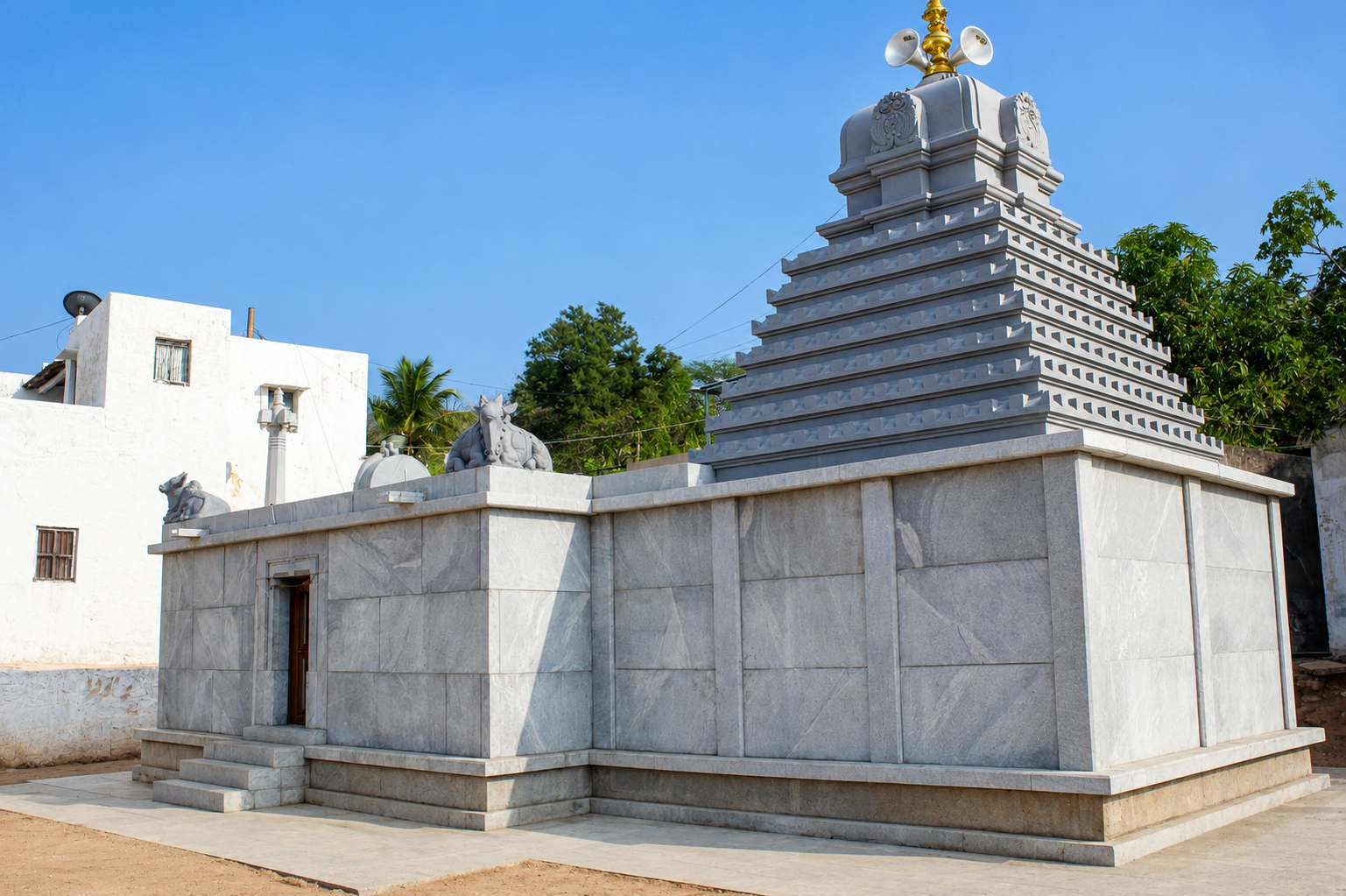
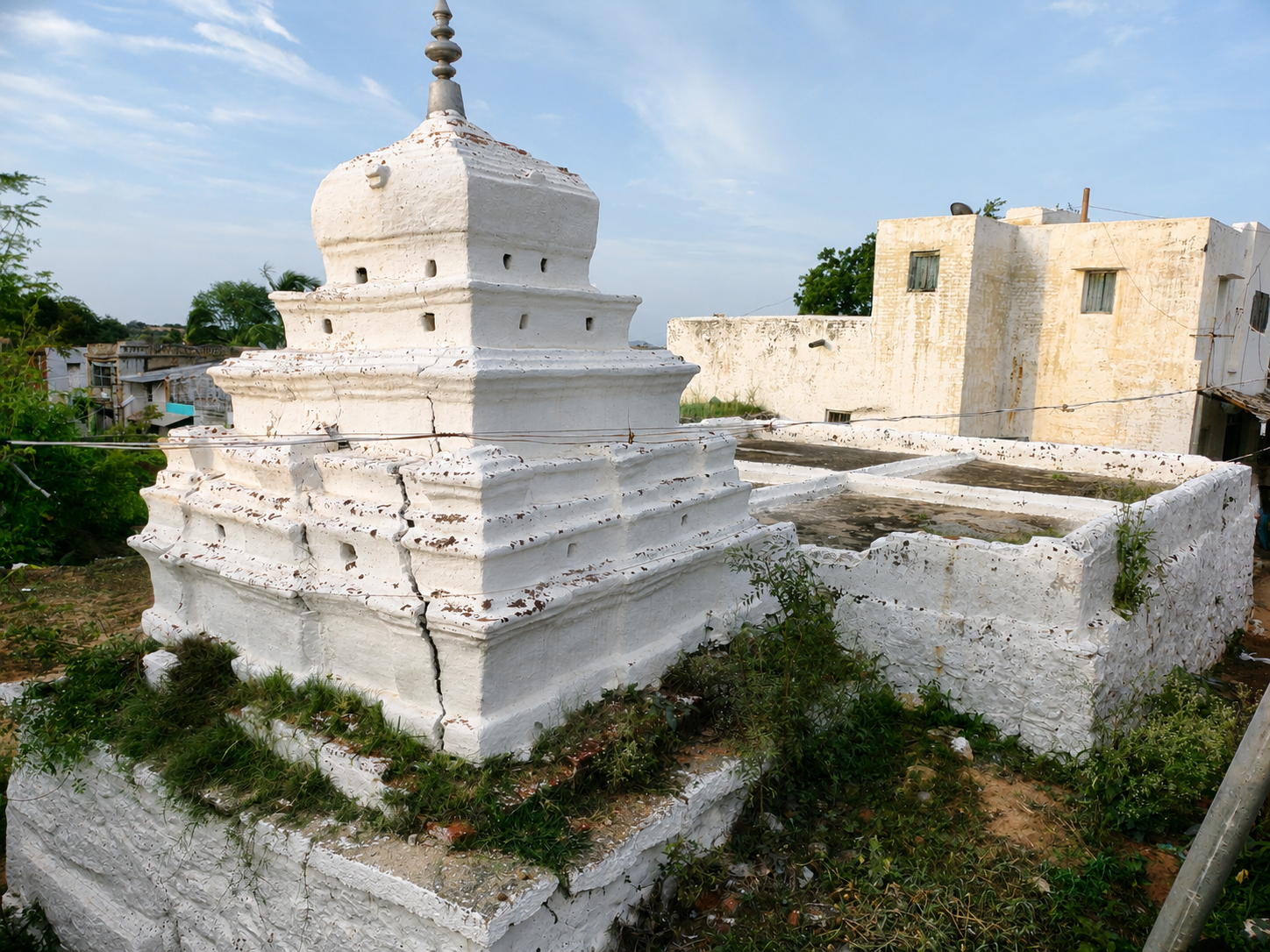
The village Siddeshwara durga is at a distance of 30 kms from Challakere town of chitradurga dist. When passes through the highway chitradurga-Pavagada the village can be reached. This temple is about 900 years old and was in the style of Nolamba. This temple belongs to Muzrai Department, This Eshwara Temple was in total dilapidated condition due to non maintenance and vegetational growth. The temple was totally dismantled & re-constructed after strengthening the foundation.The restoration work took up during 2015-16.
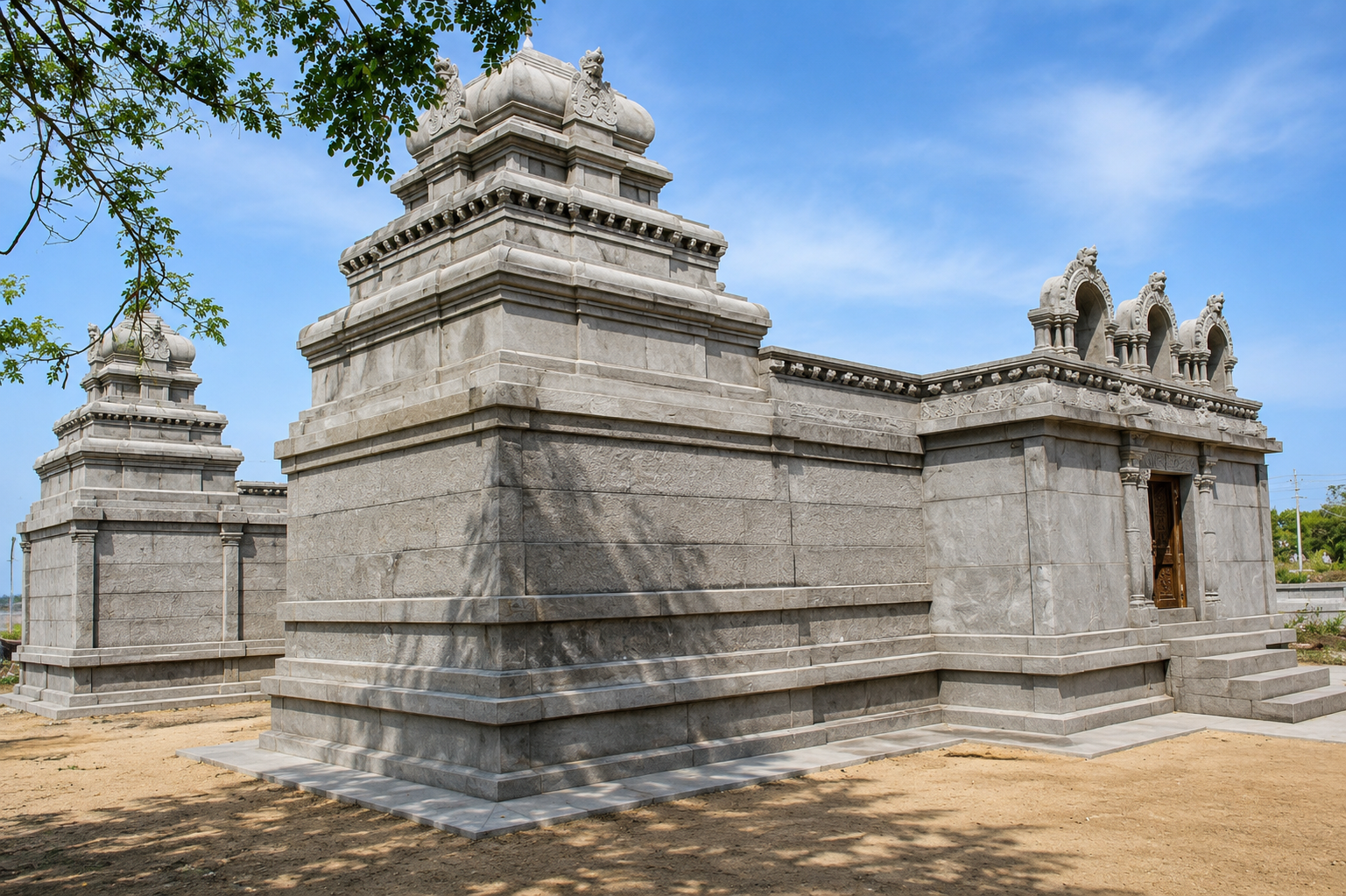
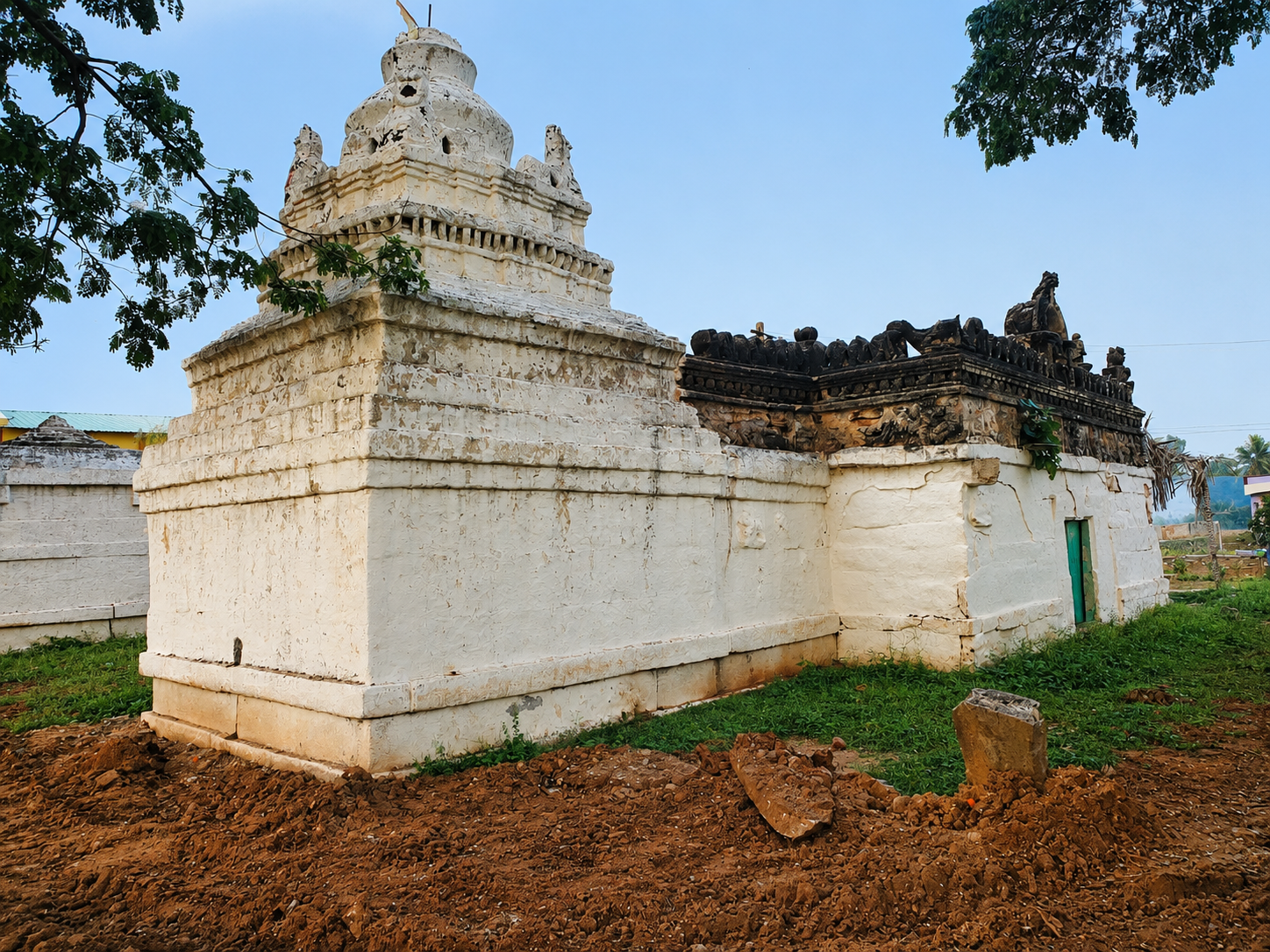
The Belegere village is at a distance of 35kms from Hiriyuru town and 20kms from Challakere town, which passes through Bangalore Ballary Highway.Sri Lakshmi Ranganatha Swamy Temple w as built during 16th century A.D. By then ruling Palayagaras. The Temple in dilapidated condition was merged about one feet from the surrounding landscape. The restoration of this temple started during January 2015 and work was completed in February 2016.During restoration both Ranganatha Swamy and Lakshmidevi temple structure was completely dismantled and reconstructed after strengthening the foundation.
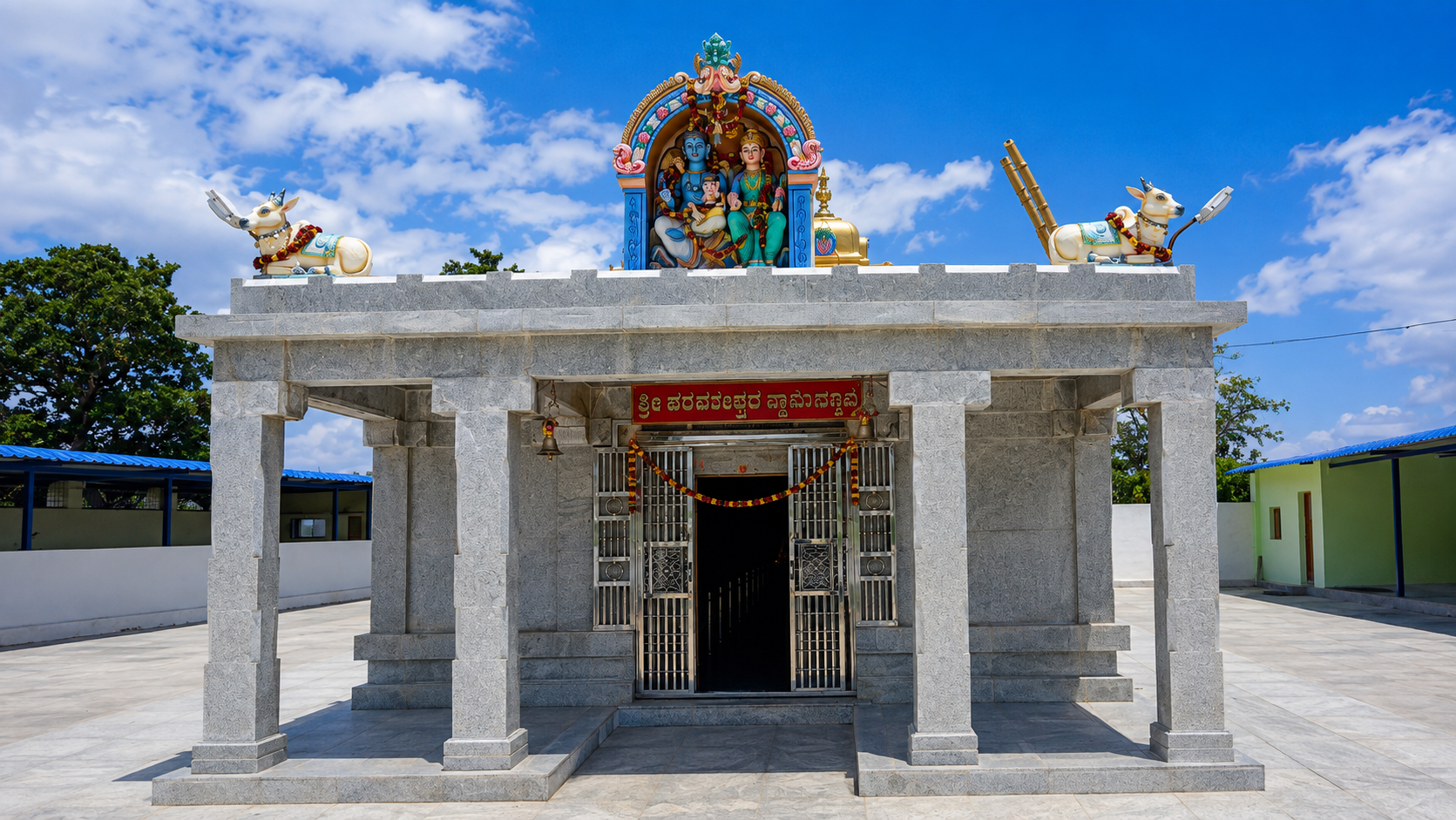
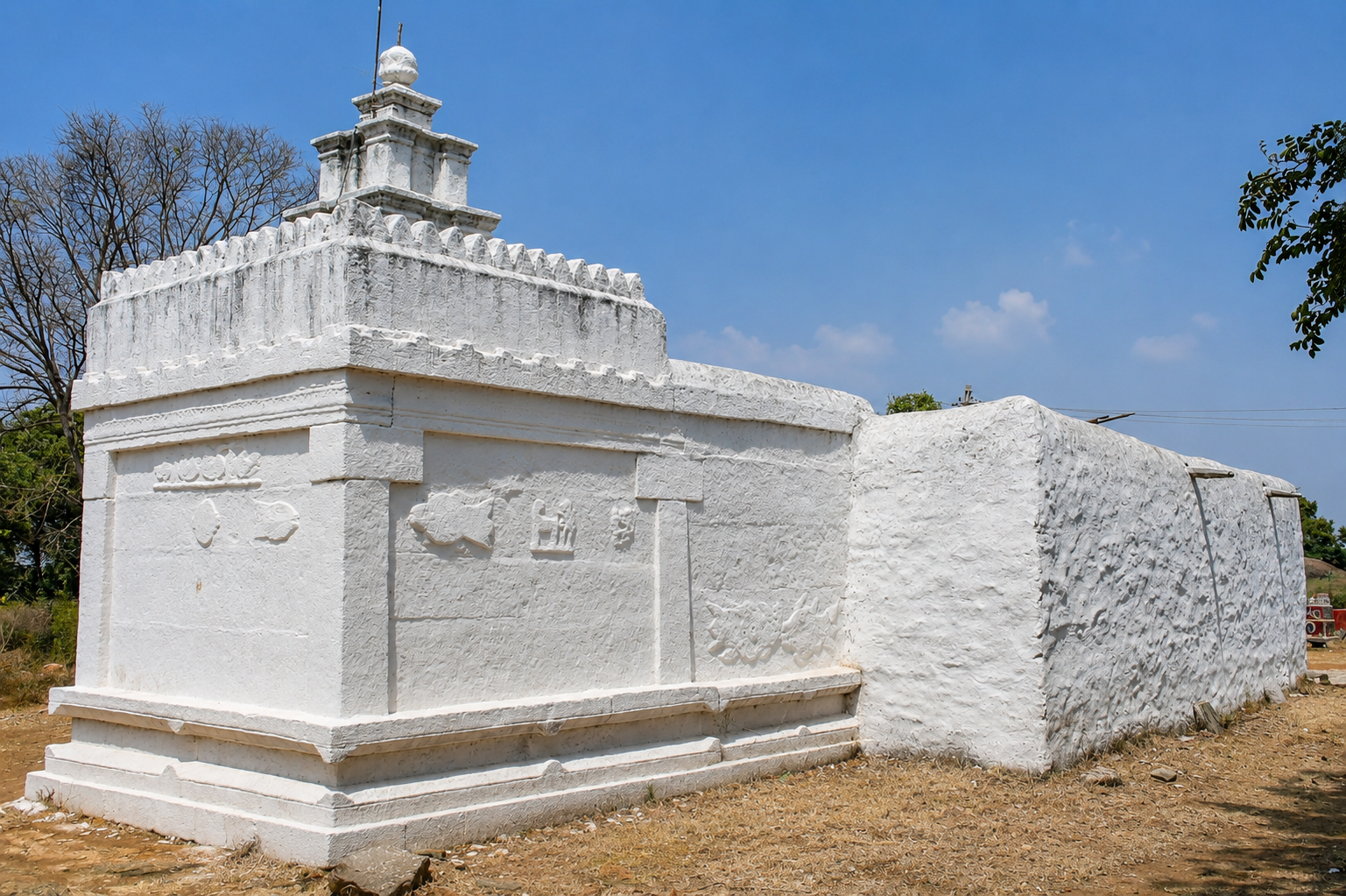
Niruvagallu is a village situated 8kms from Hosadurga town. Sri Harihareshwara Temple is 01 Km away from the village. This Temple consists of Navaranga Mantapa, Garbagruha, Antarala, this temple was in dilapilated condition. During Restoration Navaranga mantapa fully dismantled, open mantapa constructed, Kadamba Nagara style Shikhara was also built, restoration work was carried out during 2016-18 at a Cost of Rs. 13.00 Lakhs. After the restoration of the temple, the daily pooja is being performed and attracting many a number of devotees.
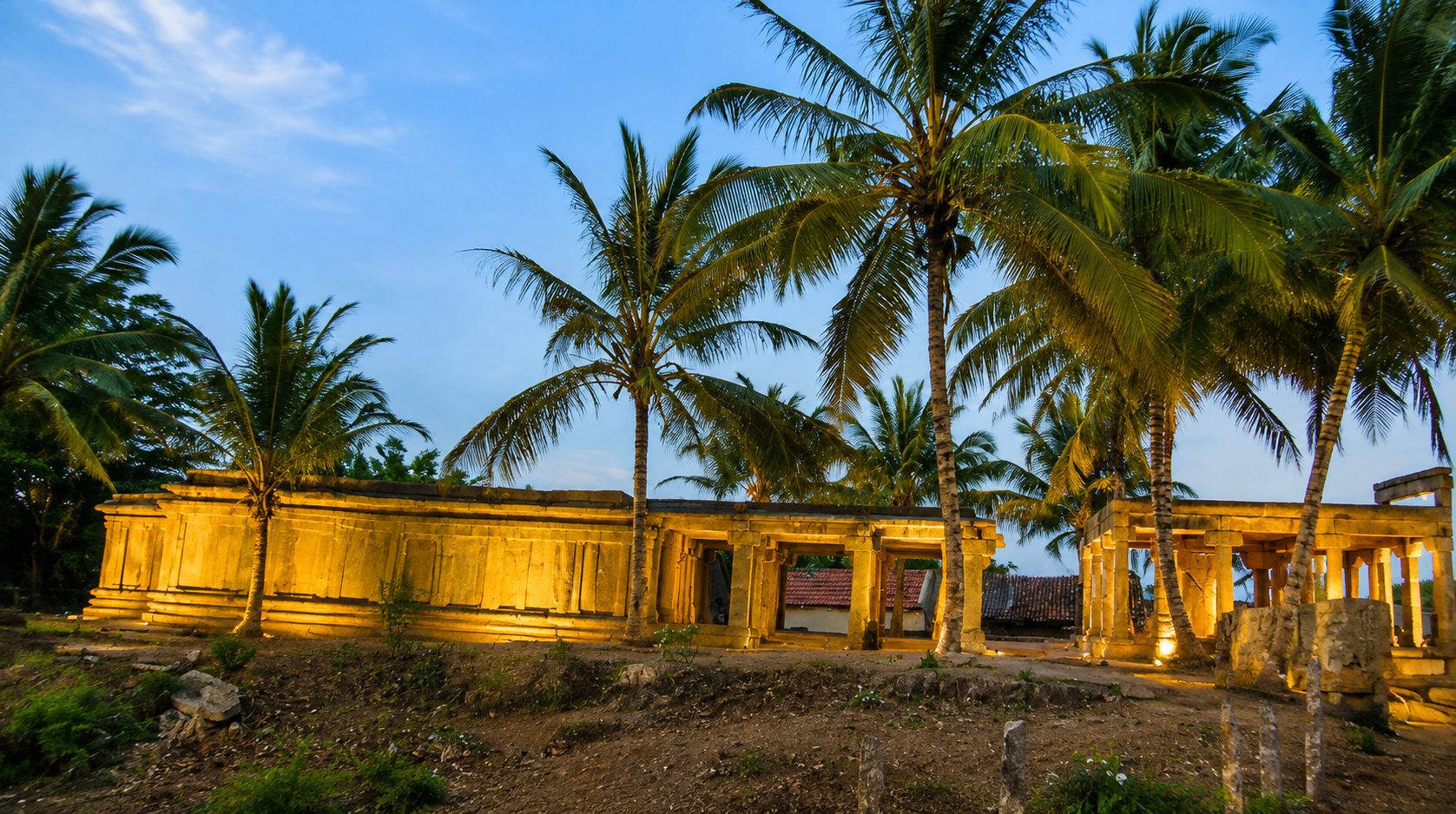
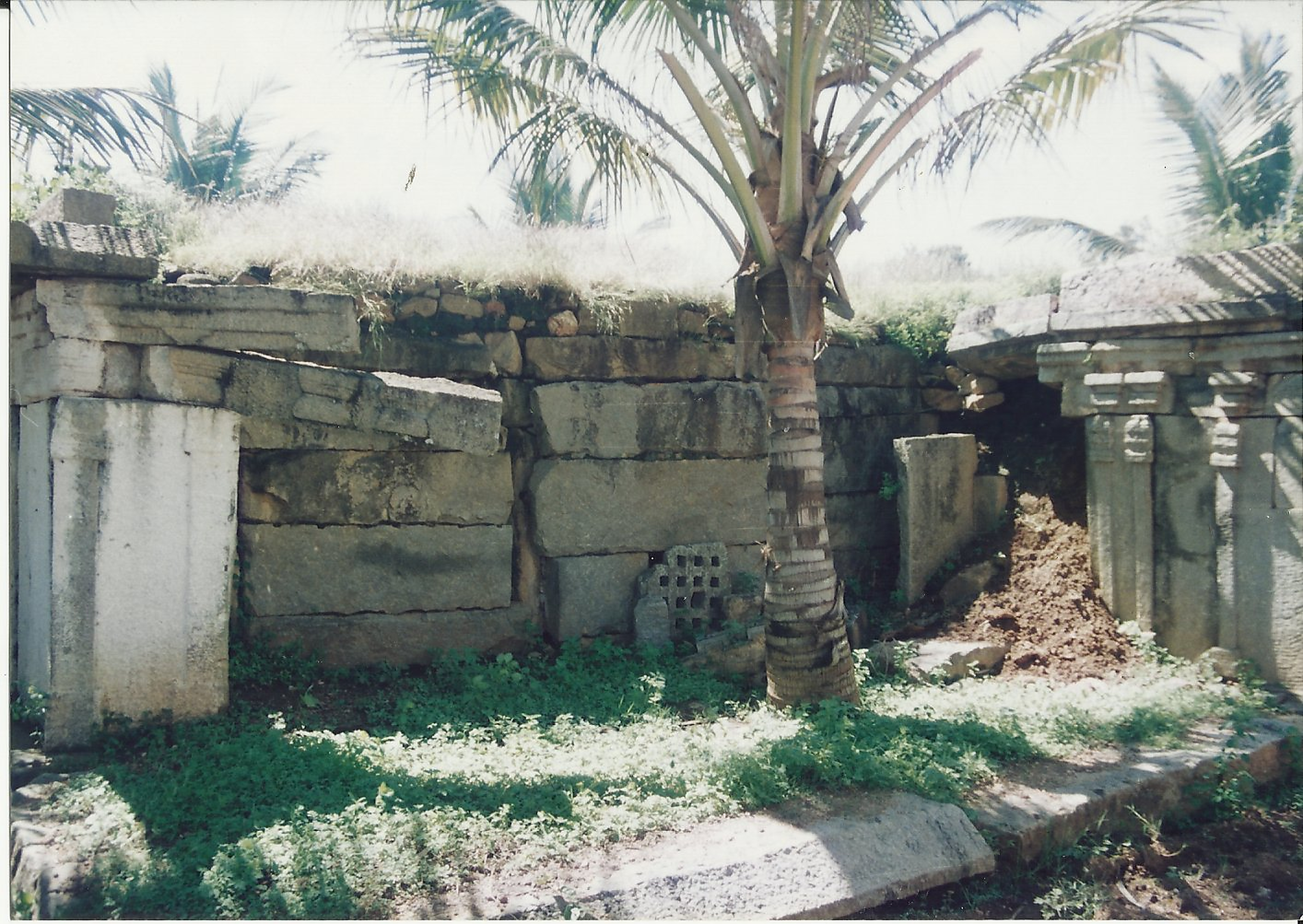
Yellambalse village is situated at a distance of 15kms from Kadur town. Sri Chennakeshava Temple, built in 10 th century AD, is in typical architectural style of Chola dynasty. This is a temple of Hoysala period consisting of Garbhagriha, Antarala followed by considerably big Sabhamantapa. The restoration work of the temple took about 3 years at a Cost of Rs.15.20 Lakhs. (1997-2000). After the restoration work, the daily pooja is being performed in this temple and which attracting many a number of devotees.
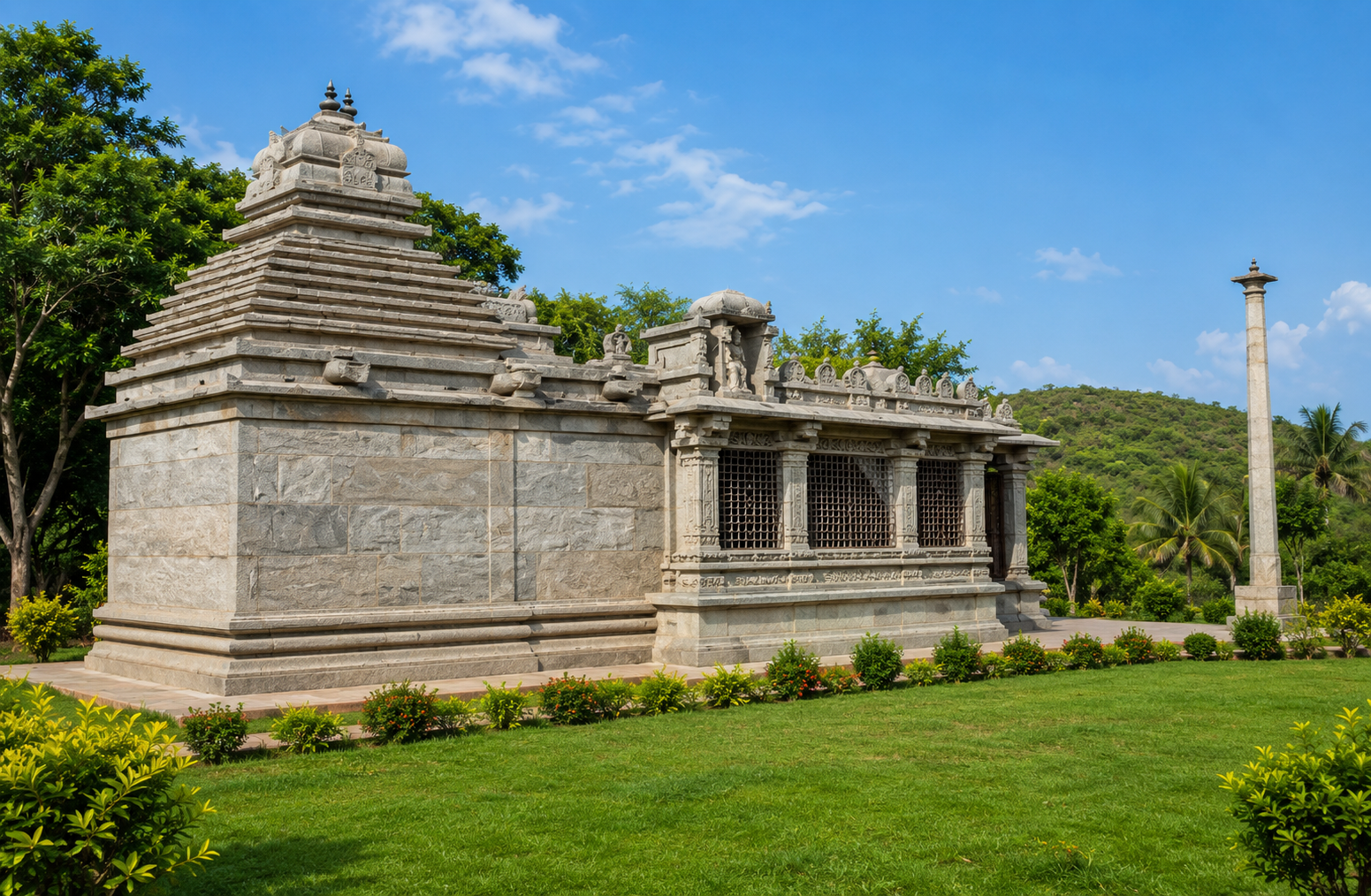
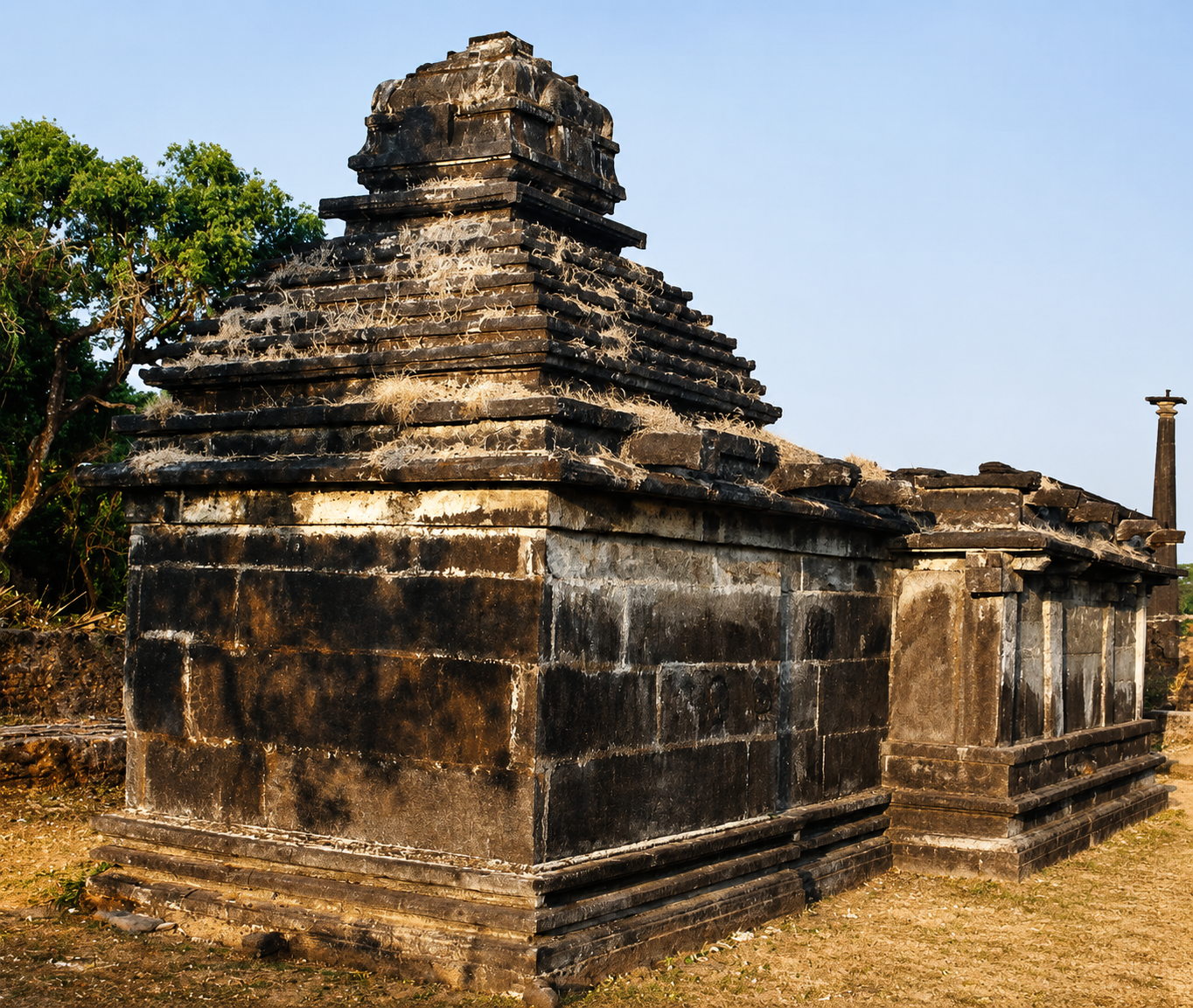
Byrapura village is situated at a distance of about 20kms from Mudigere town. Sri Naanyada Byraveshwara Temple was built in around 500 years ago during the Nayaka’s period. It is located on the hillock of western ghat in the midst of thick forest. The temple consists of Garbhagriha, Antarala, and Navaranga with a typical stone shikara. The restoration work of the temple was carried out during 2000-2002 at a Cost of Rs.5.25 Lakhs. After the restoration work, the daily pooja is being performed in this temple.
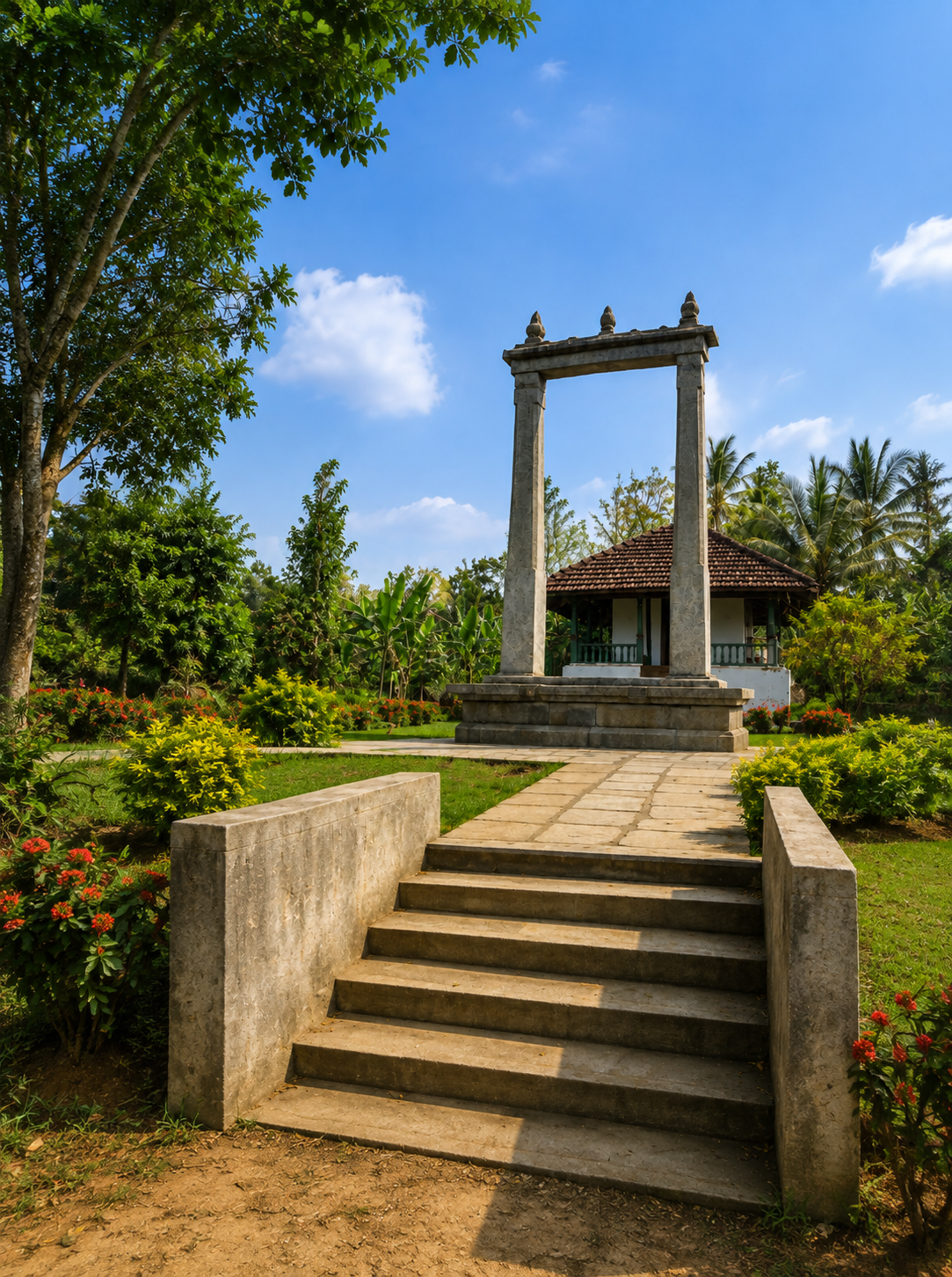
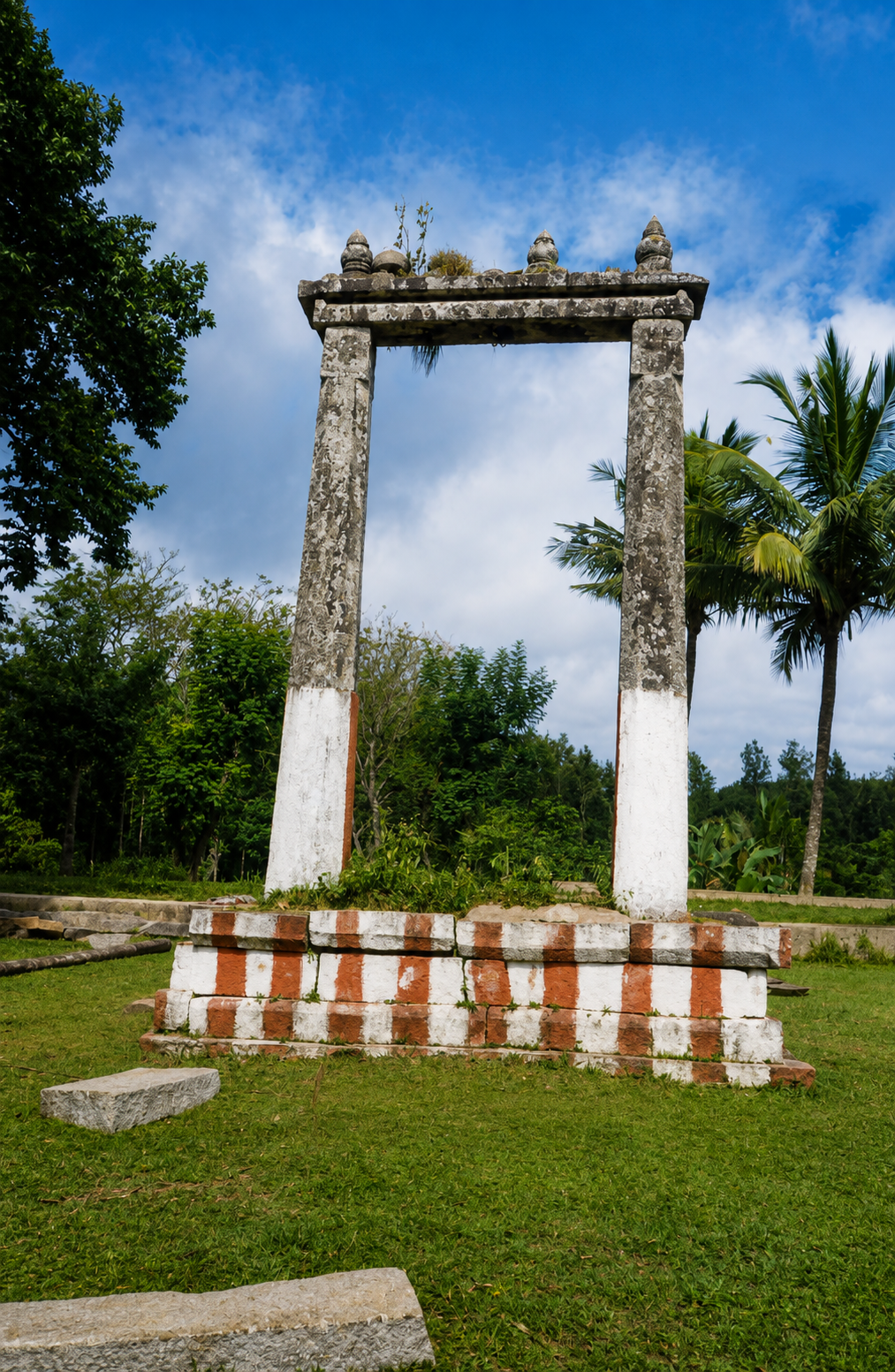
Chickamagaravalli village is situated at a distance of 10kms from Mudigere town. The restoration work of pillars in front Sri Deviramma Temple was carried out in the year 2003 at a Cost of Rs. 0.50.Lakhs.
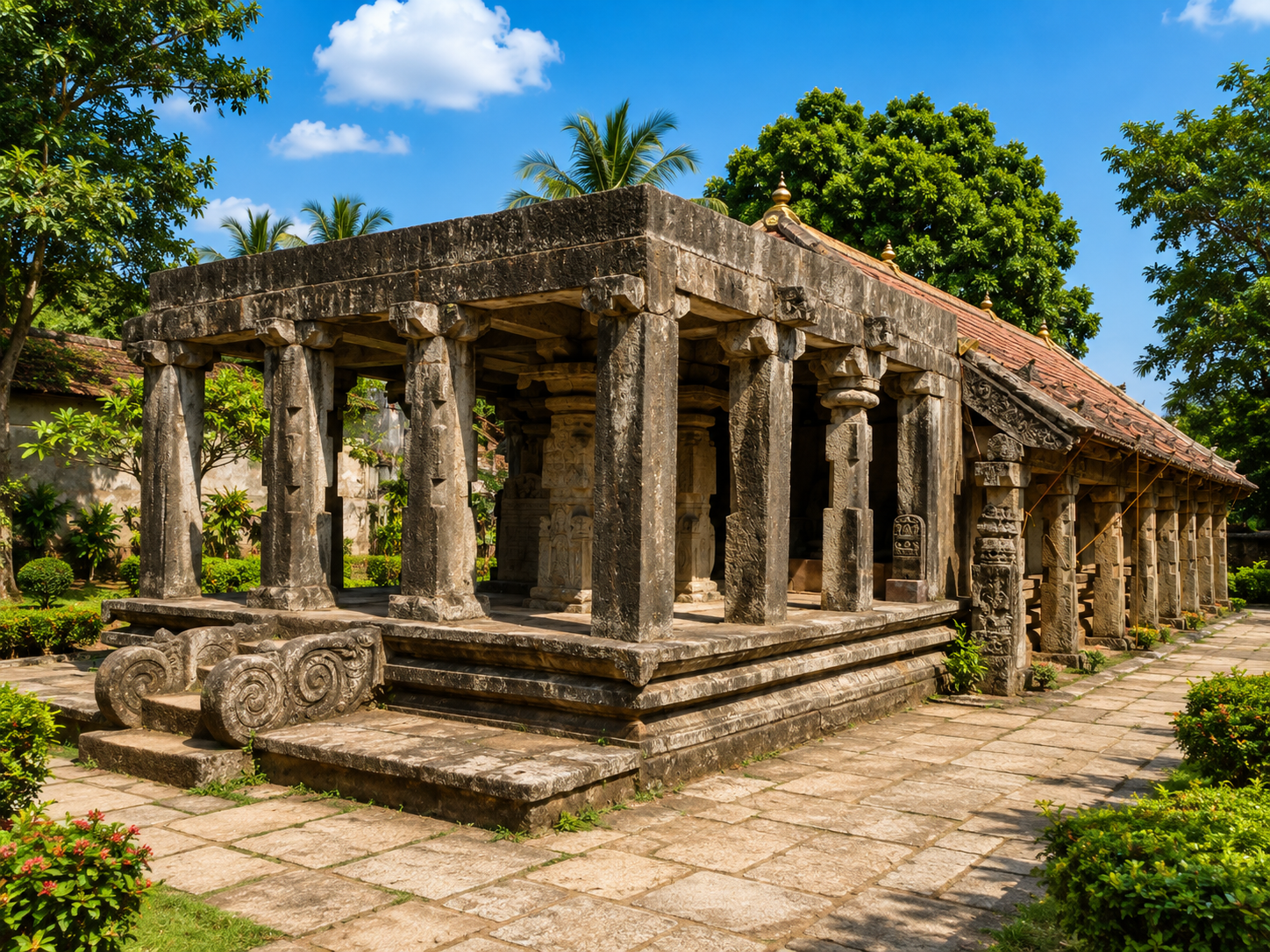
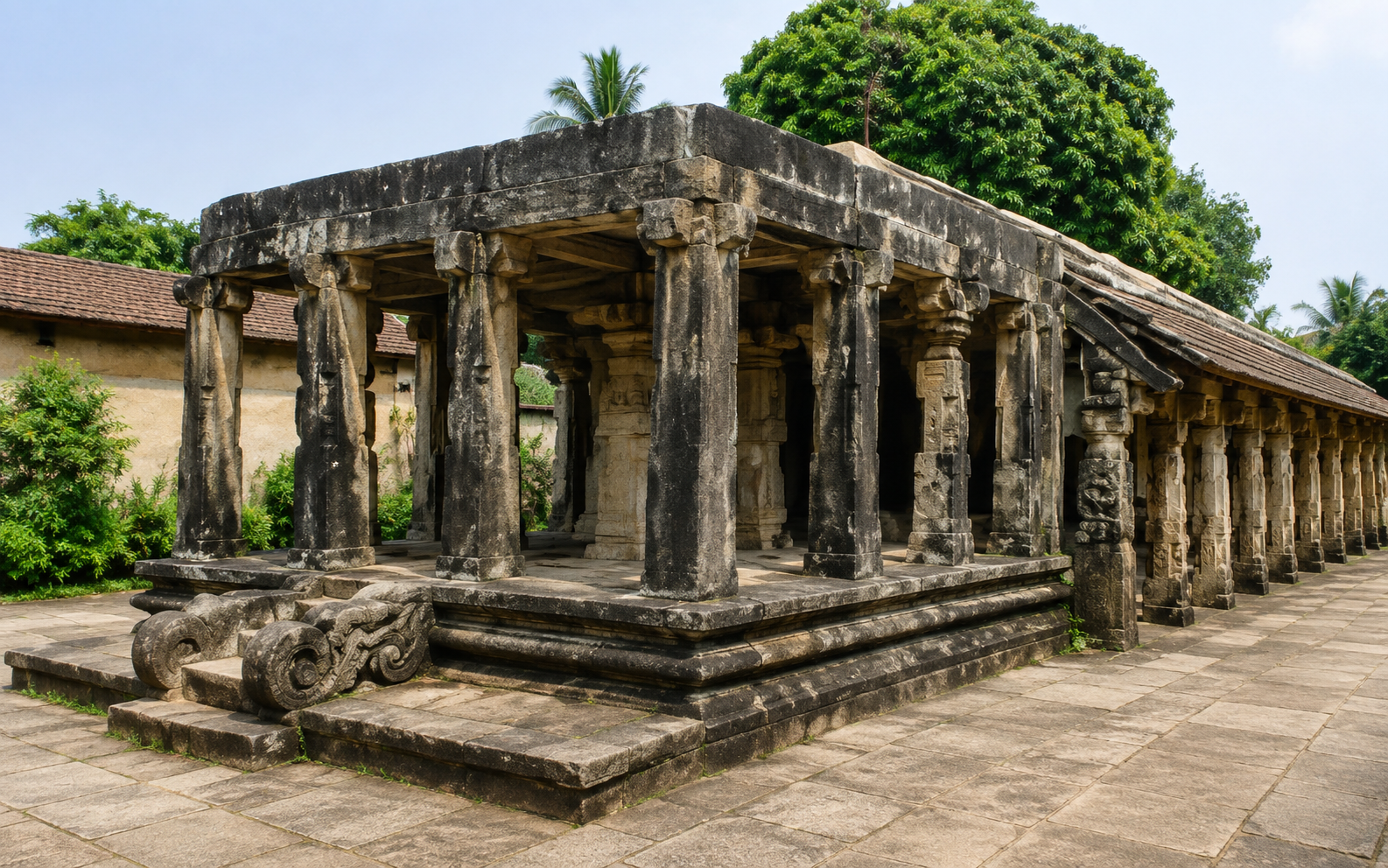
Sri Parshwanatha Basadi is situated in the middle of the Shringeri township in Chickmagalur district. The Basadi, built in 12 th century AD by Marisetty, a family member of Sri Vijayanarayanashanti Setty of Nidugodu village of belur, is in typical architectural style of Hoysala dynasty. The restoration work was carried out in the year 2002 at a Cost of Rs.1.85 Lakhs.
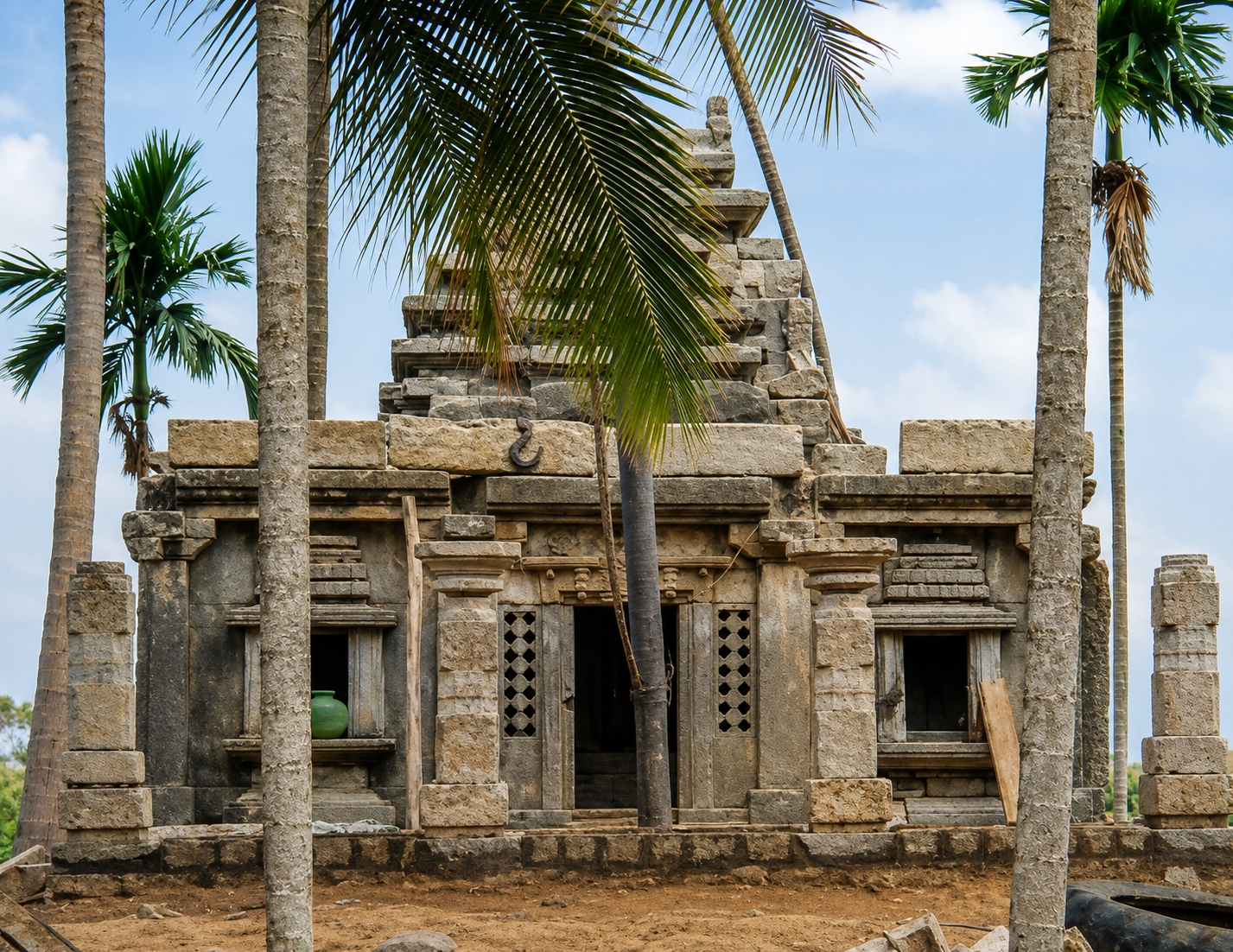
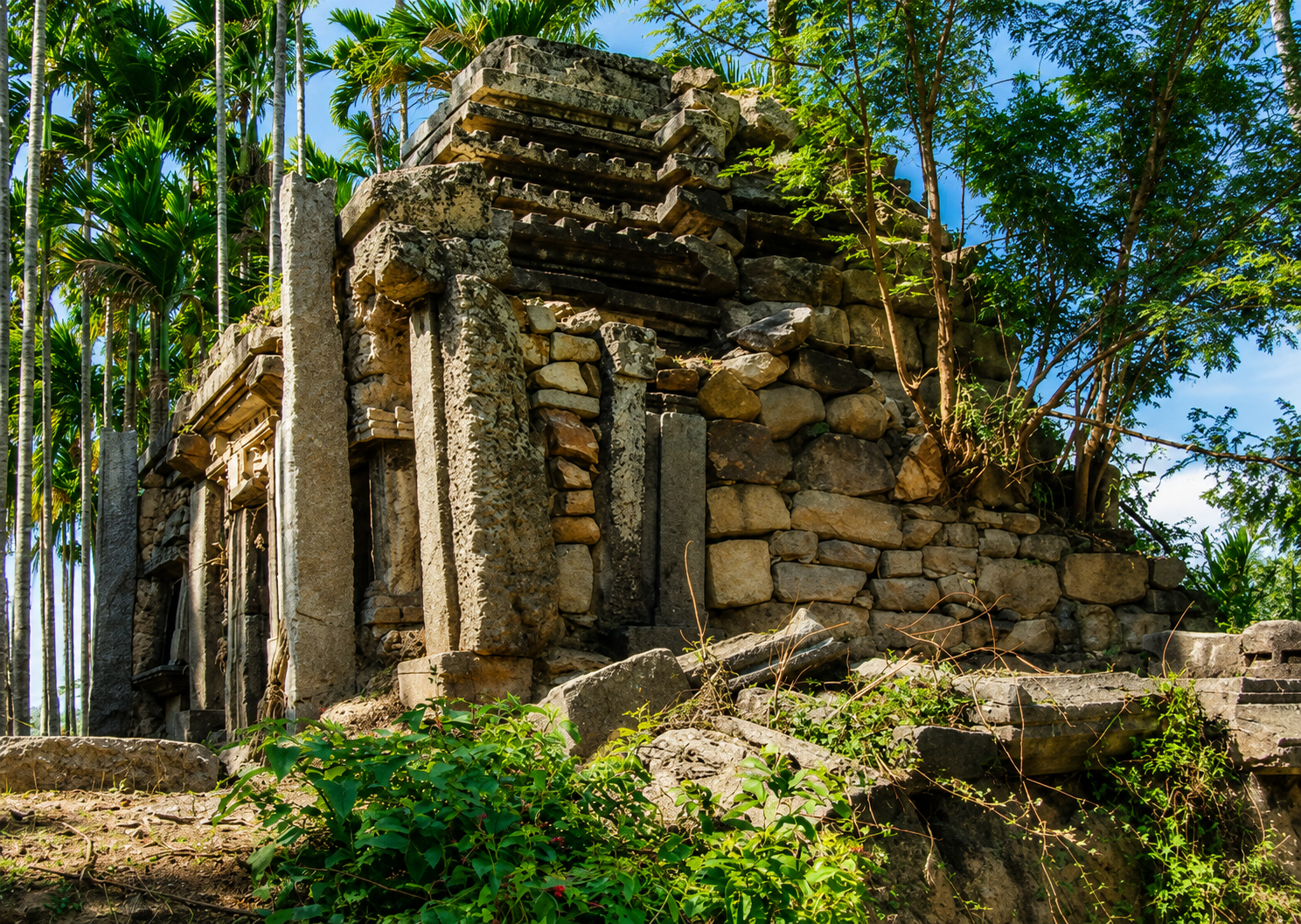
Hirenallur village is situated at a distance of about 12kms from Kadur town. Sri Kalleshwara Swamy Temple was built between 9 th and 10 th century AD. It is in architectural style of Chalukyan dynasty. The temple was in complete dilapidated condition when it was considered for restoration work. The work was carried out in the year 2004. After dismantling the entire structure reconstruction was done after strengthening the foundation. The restoration work of the temple was carried out during 2004-05 at a Cost of Rs.1.50 Lakhs. Daily pooja is being performed in this temple.

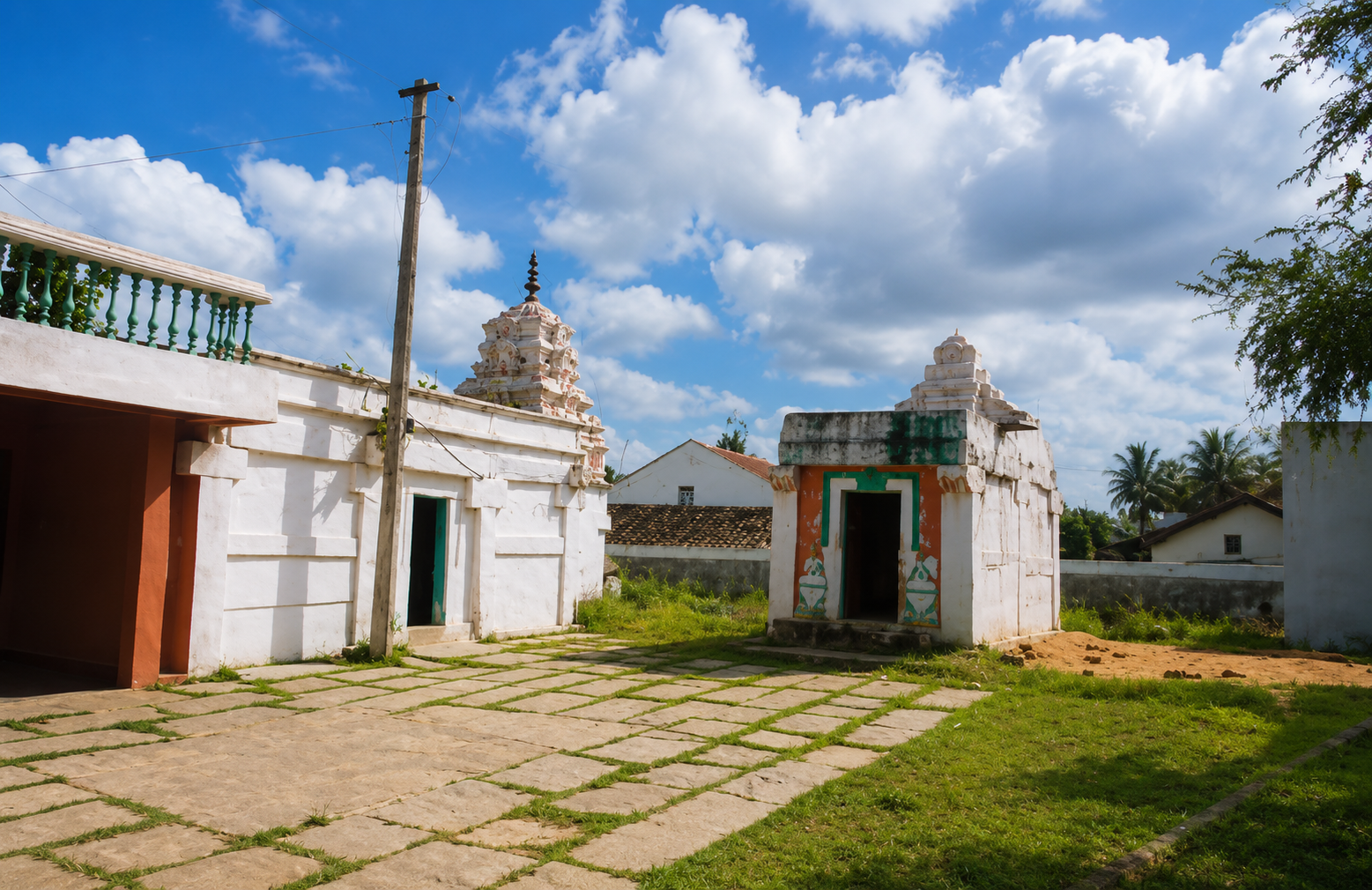
Sokke village is located at a distance of about 20kms from Tarikere town. Sri Lakshmi Ranganatha Temple is of around 400 years old. It was in a dilapidated condition. The restoration work was carried out in 2006-07 at a Cost of Rs.3.00 Lakhs. During restoration, garbhagriha and antarala along with navaranga mantapa was reconstructed after strengthening the adhisthana. Shikara over Garbhagriha was newly constructed. Daily pooja is being performed in this temple.
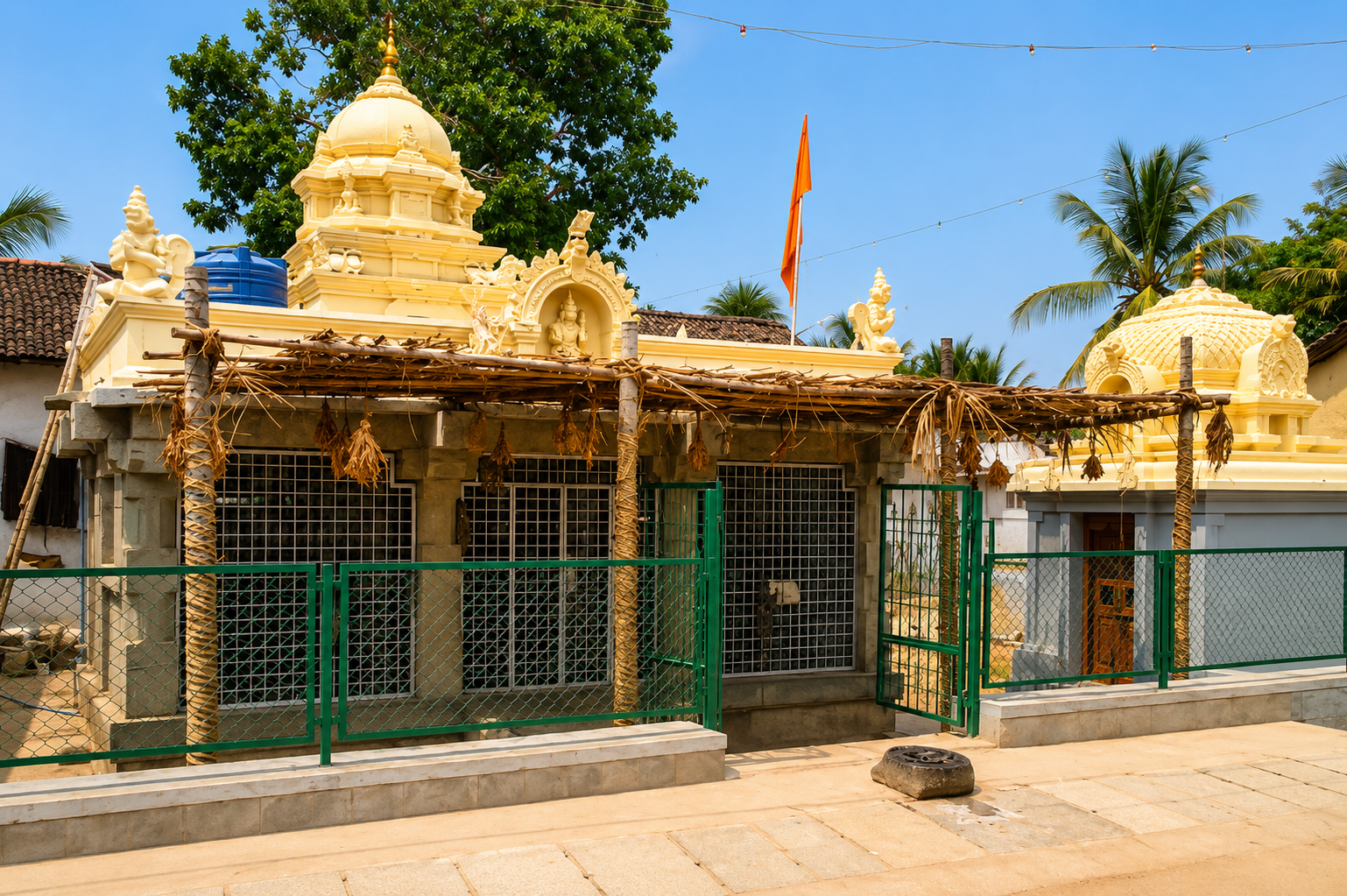
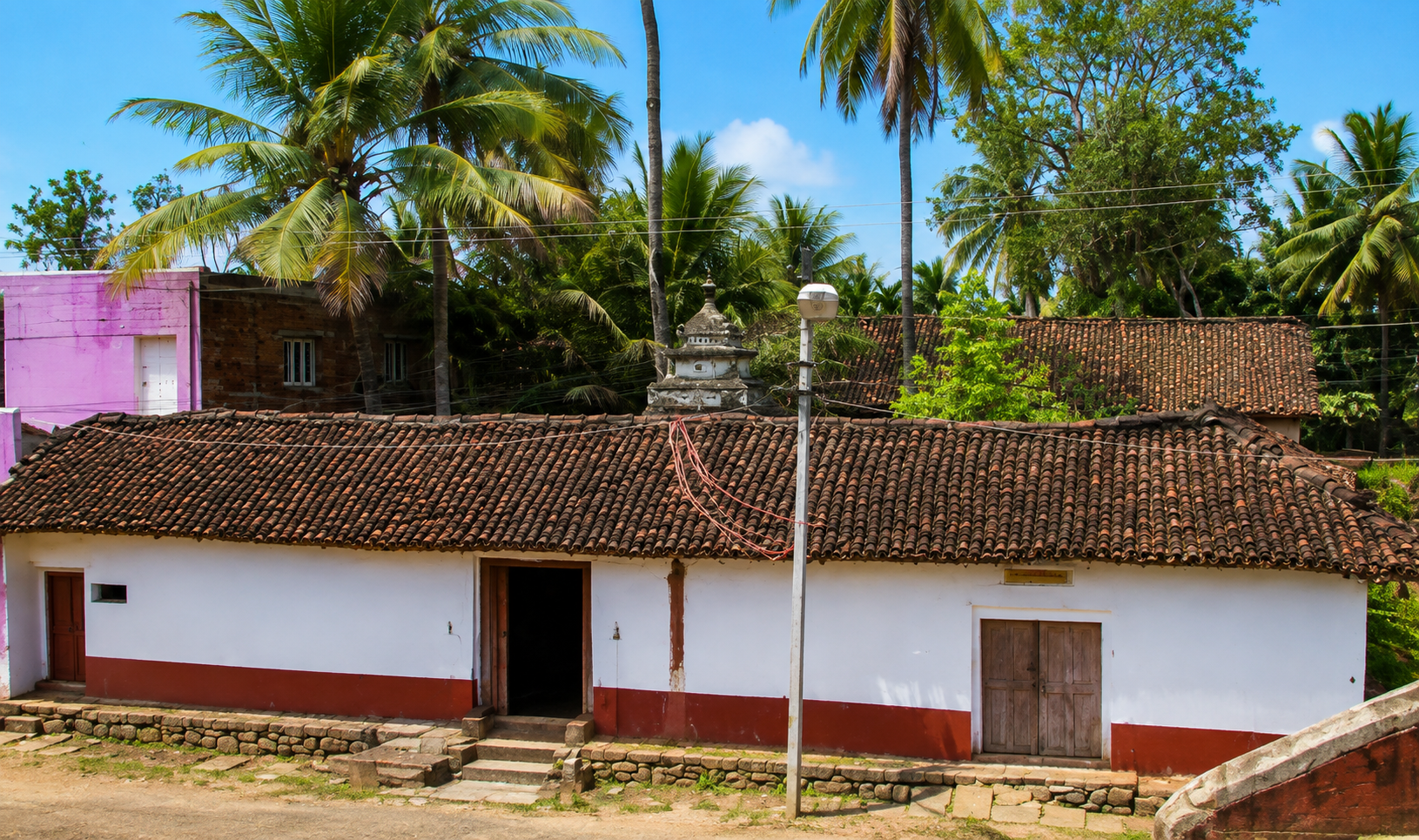
Sri Veeranjaneya Temple is situated in the middle of Birur town. The temple was built around 400years ago. This temple was in dilapidated condition due to negligence, percolation of rain water and encroachment around. The restoration work of the temple was carried out during 2009-11 at a Cost of Rs.10.00 Lakhs. Suitable Shikara over garbhagriha was built and prakara/linkmesh was put up for the protection of the temple. After restoration of the temple, the daily pooja is being performed.
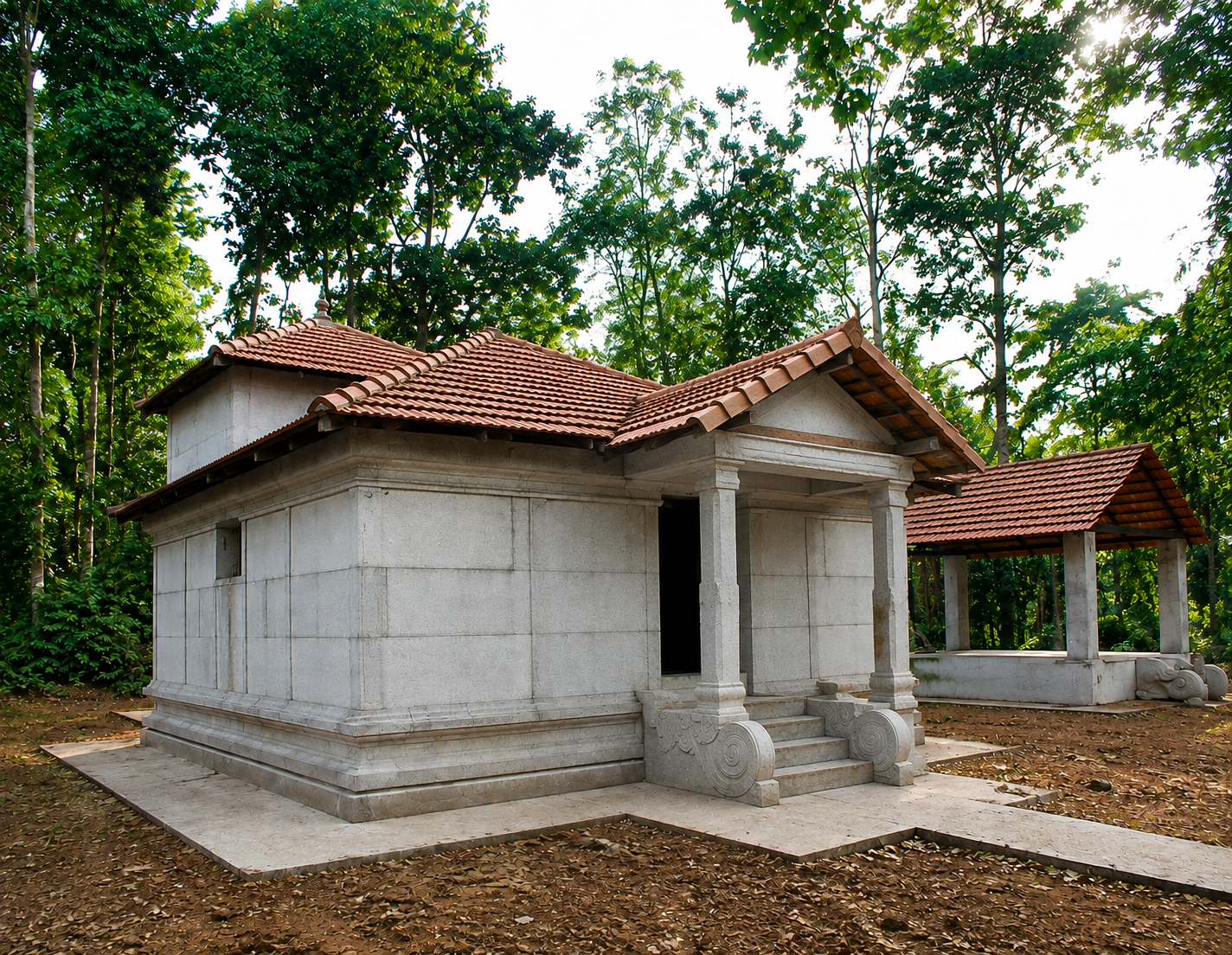
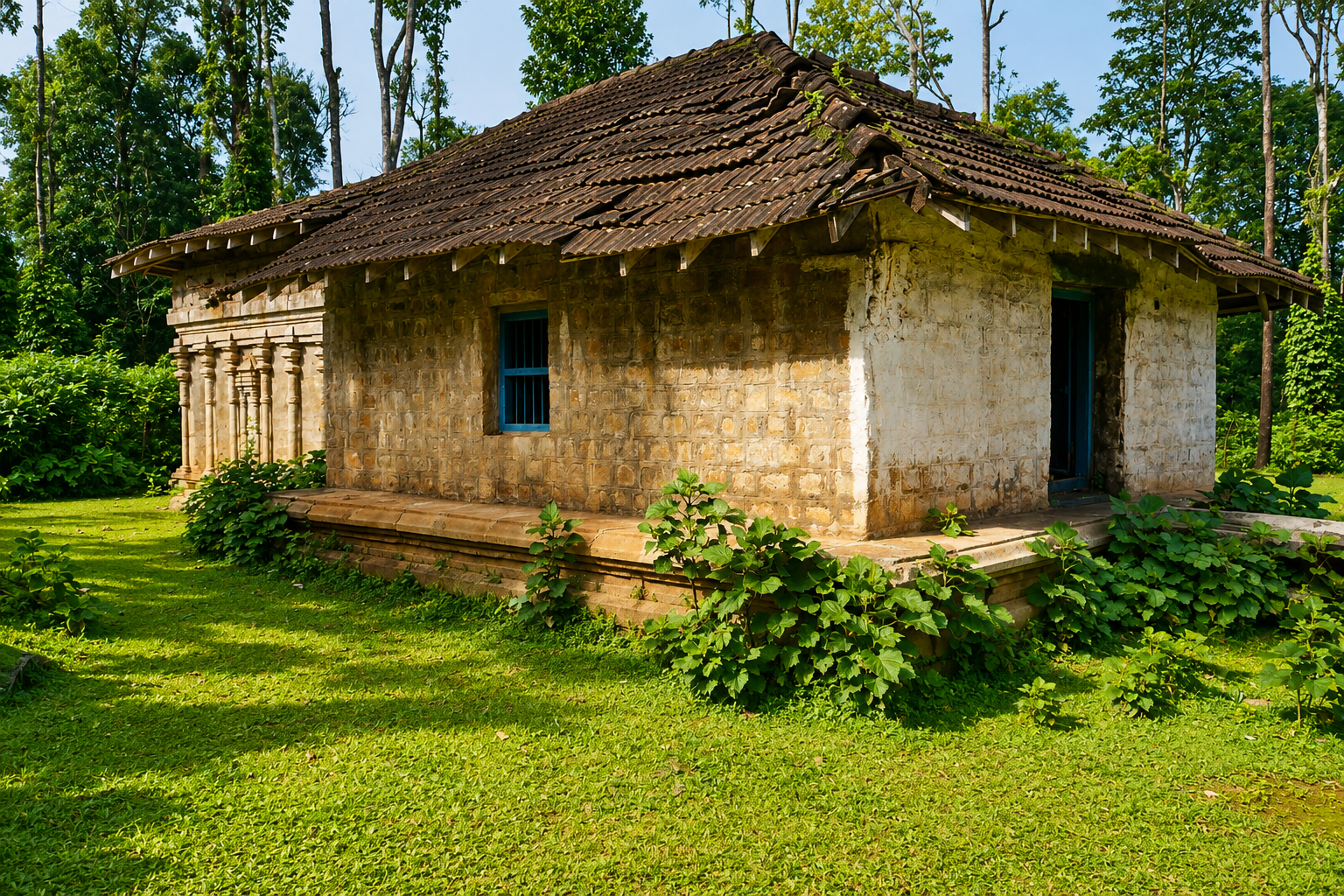
Angadi village is situated at a distance of about 15kms from Mudigere town. The basadi was built during the period 1054 - 1064 AD by Manika Hoysalachari. The Angadi village is the birth place of Hoysala kingdom and having great historical importance. The basadi is on a hillock at about 10-15 feet height from roadside. Adjacent to main basadi, a small basadi dedicated to Mahaveera is also built. The reconstruction of the basadi was done during 2007-08 at a Cost of Rs.20.65 Lakhs.
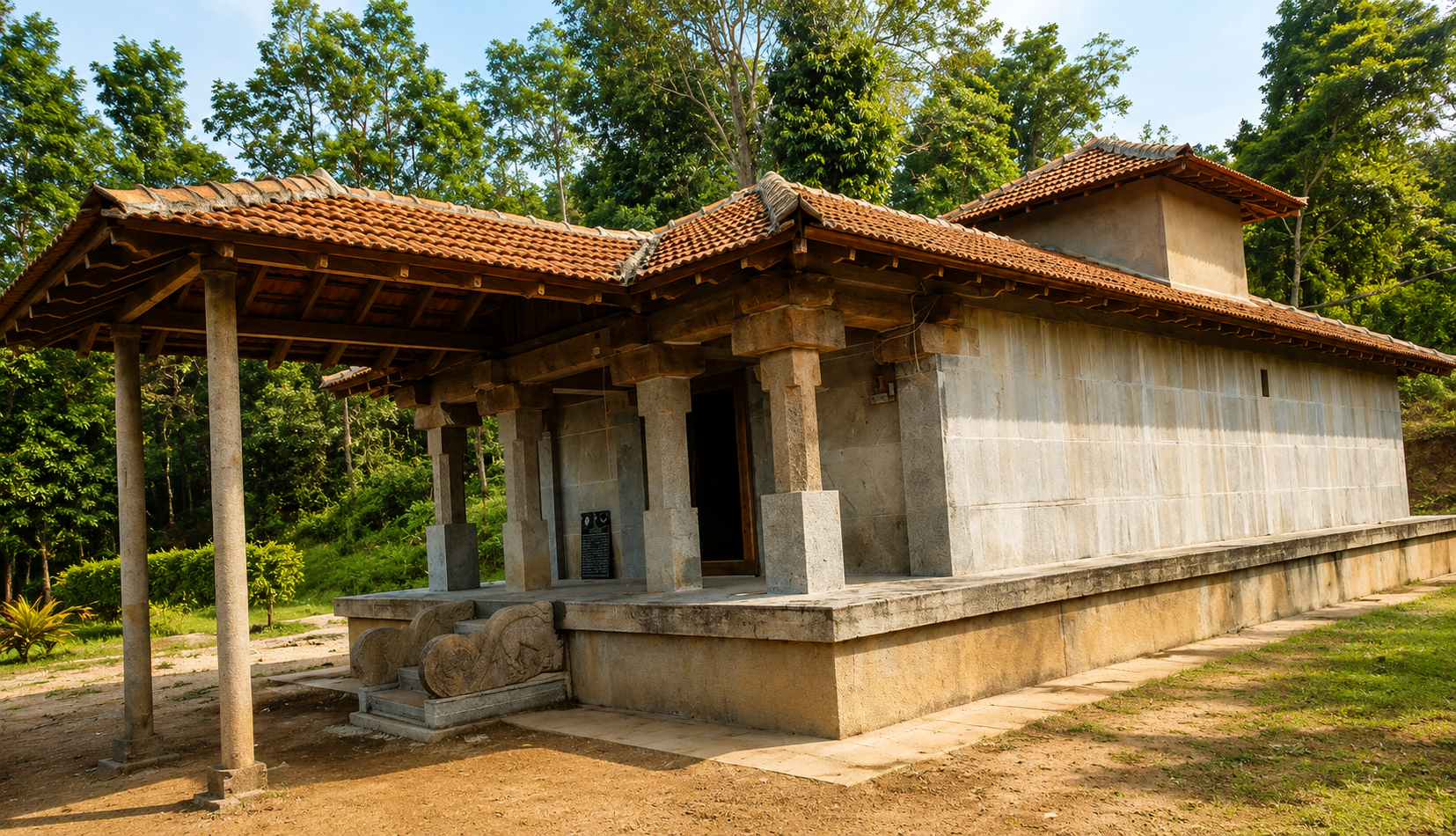
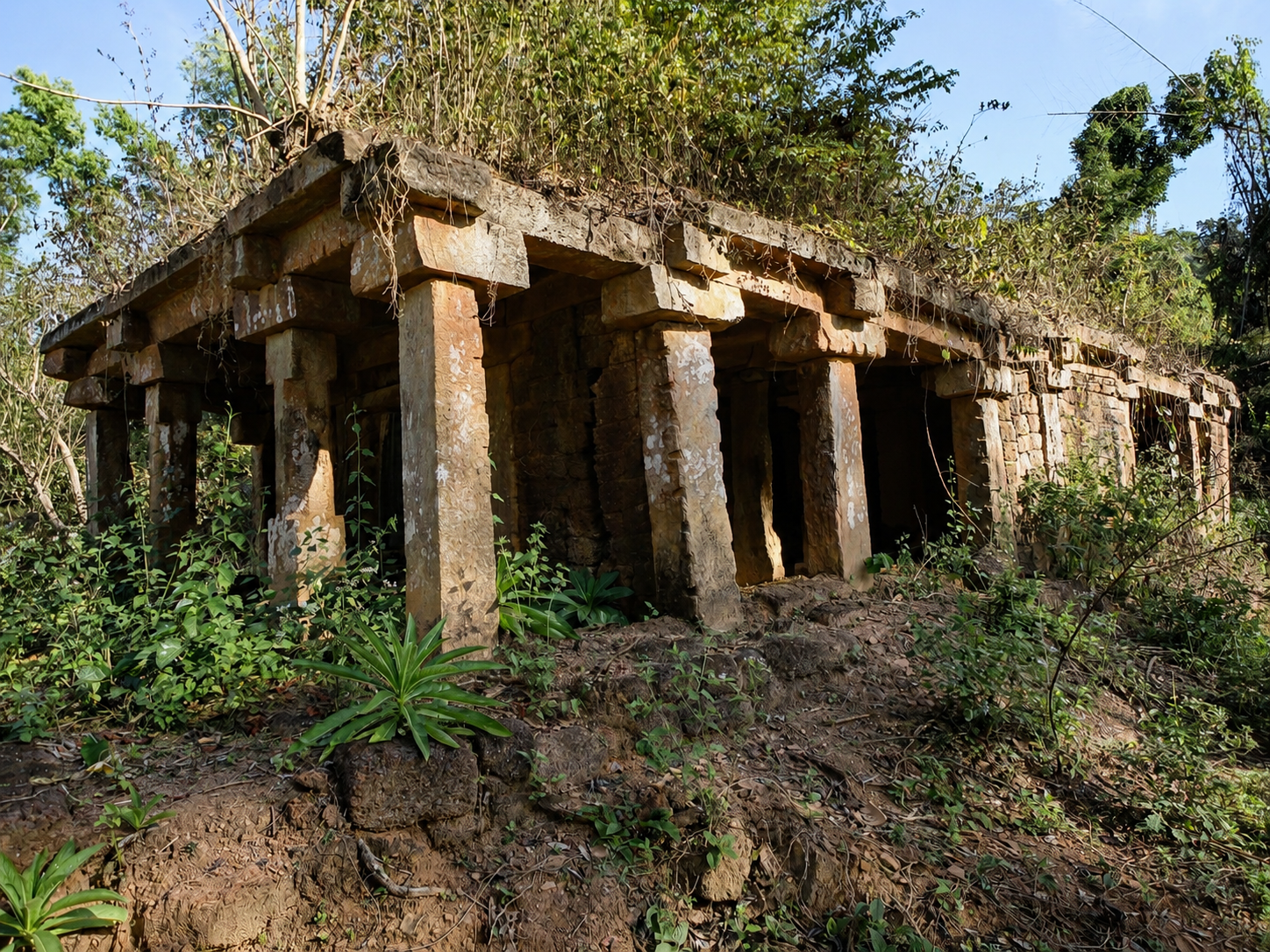
Kanive is a village situated at a distance of 30kms from Shimogha town and is 6kms from Thirthally-Shimogha road. This 500 years old Basadi was built during the Paalegara’s period. The Basadi in dilapidated condition and neglected by the local people, was lying near the hillock. About 50% of the structural members of this Basadi were fallen and trees were grown around the fallen structure. After complete dismantling, the structure was re-built with most new stone members. The basadi was reconstructed during 2011-12 at a Cost of Rs.19.00 Lakhs.
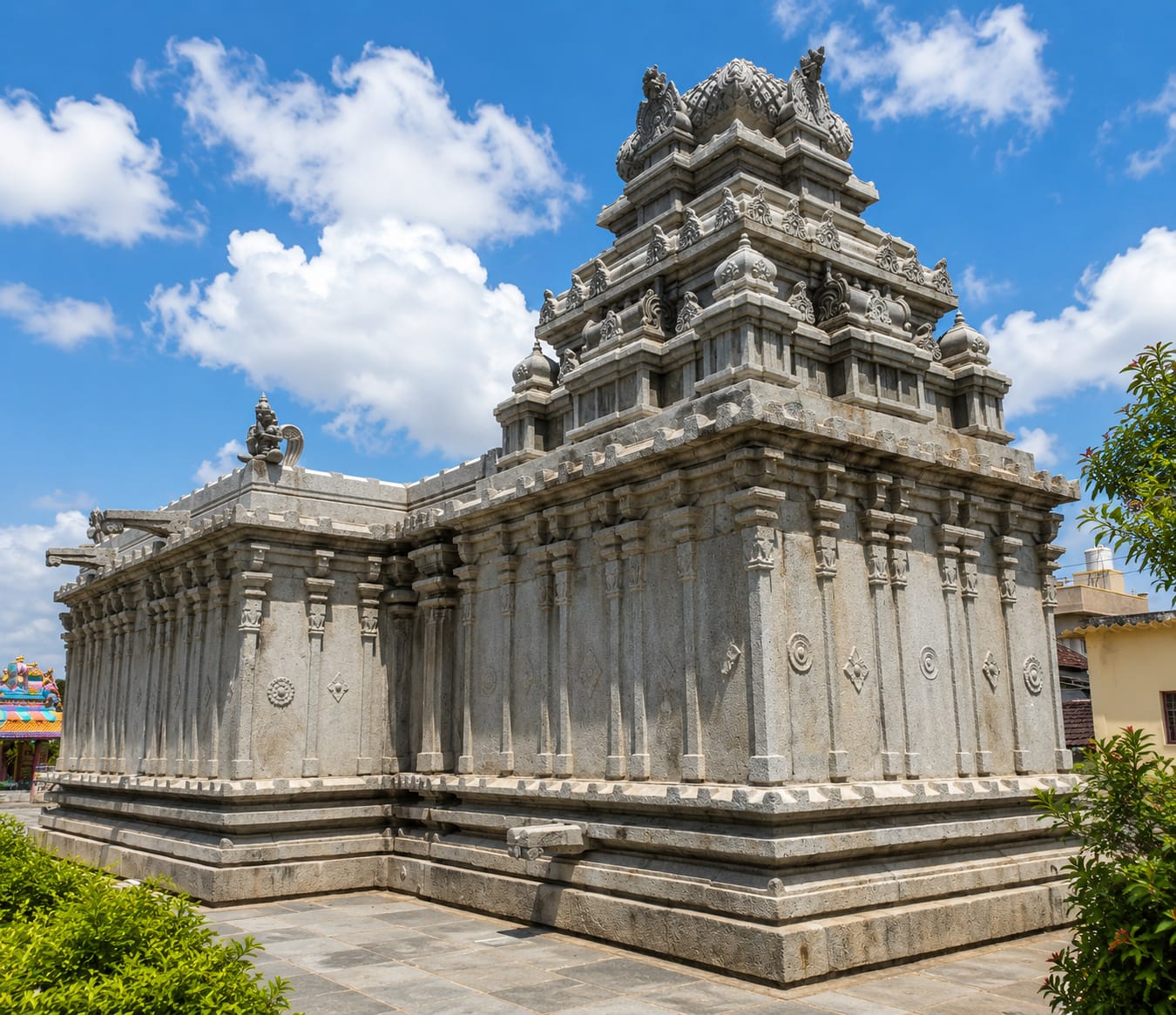
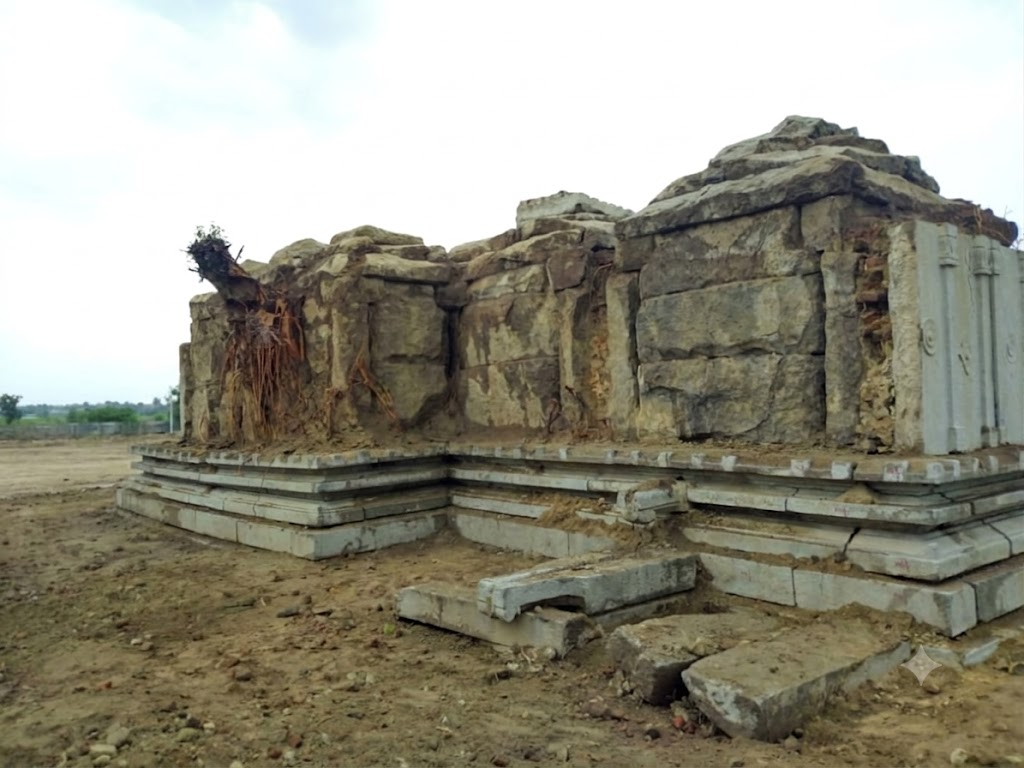
AMBLE village is 8kms from Chickmagalore Town. Amble is a small temple with a historical and beautiful carvings. This village consists of 20 temples. The temple was in total bad condition due to breakage of many old stone members and also vegetational growth and due to non maintenance. Restoration of temple was taken up under “SAMRAKSHANA” scheme of Government of Karnataka. Temple was dismantled, foundation was strengthened. Existing stones were cleaned and the structure is reconstructed. Suitable Shikara is built along with paraphet. Inside flooring of temple is laid with granite stone. Entire outside area of temple is laid with granite stone and compound wall with link mesh is newly built.
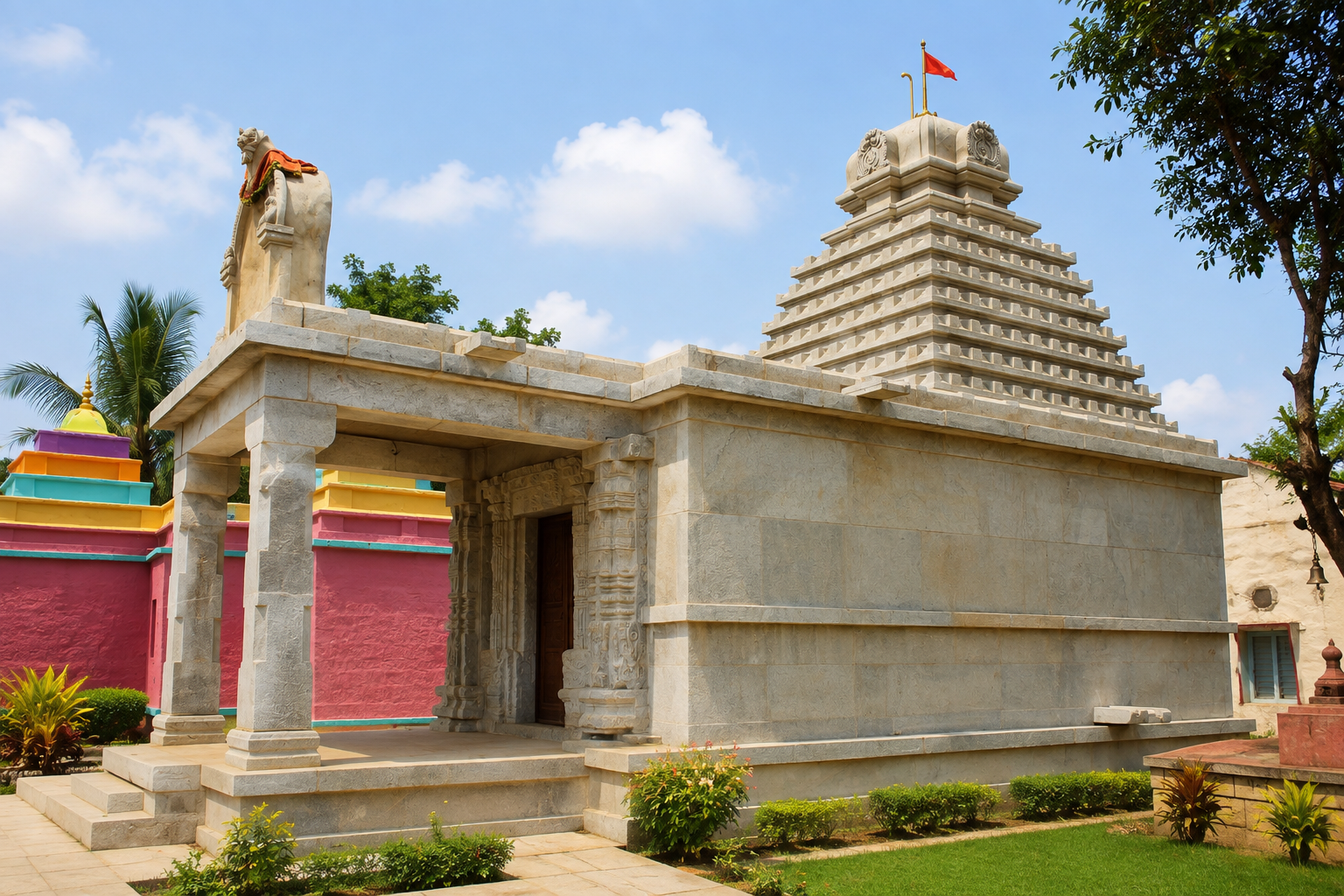
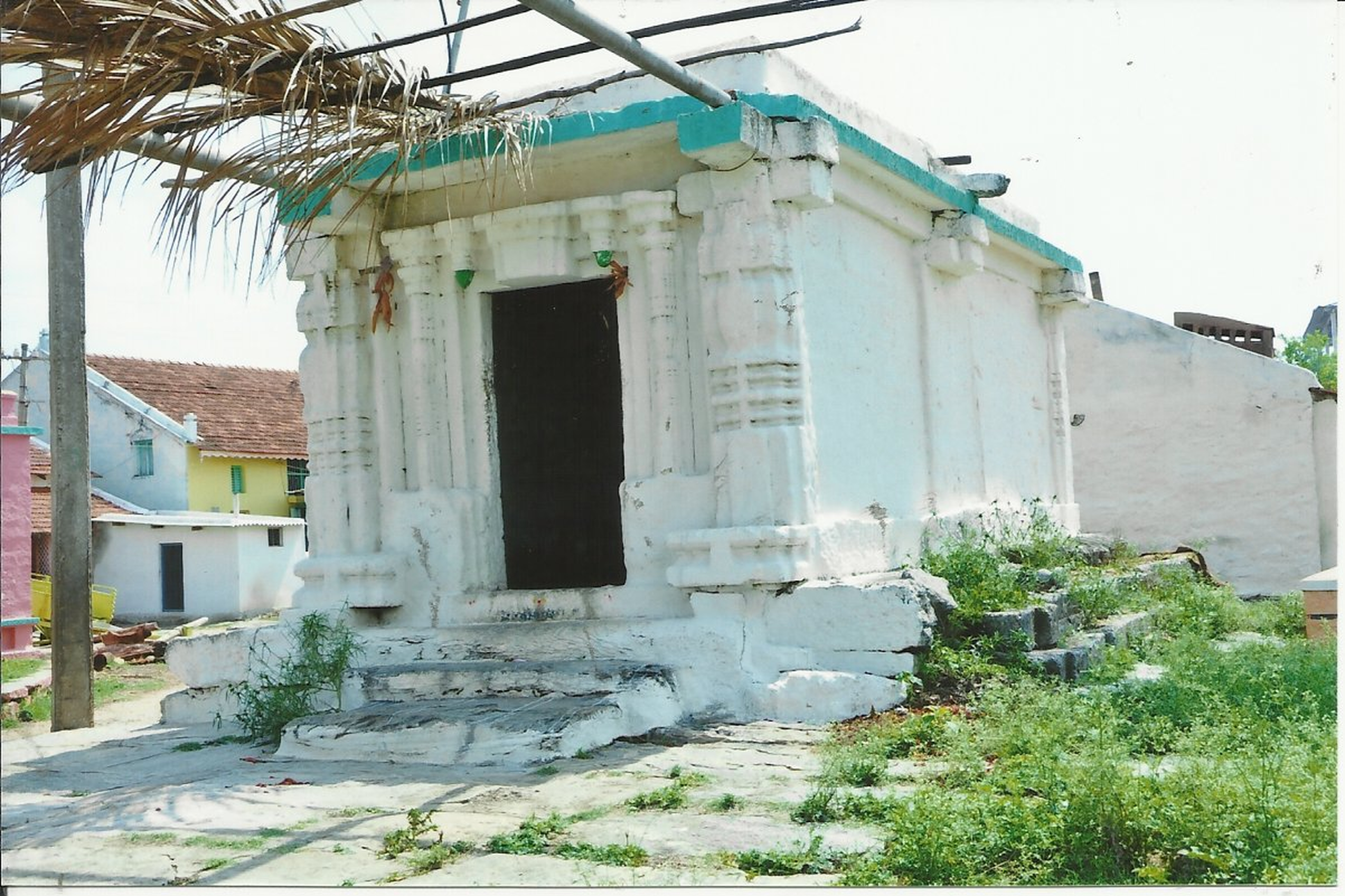
Dandooru, is about 40 Kilometers from Tarikere Town and passes through Tarikere –Hosadurga Road. The Eshwara Temple of Dandooru is about Seven Hundred Years old and constructed in Hoysala style of architecture. The outer walls of the temple was totally missing, the entrance mantapa was also missing due to Natural causes. During restoration of the temple entire structure was dismantled and reconstructed using all the inner stone wall after chemical cleaning and new stone slab were put for outer wall and new shikhara over garbhagruha also constructed. Entrance mantapa also rebuilt, the restoration of this temple took up during 2016-17.
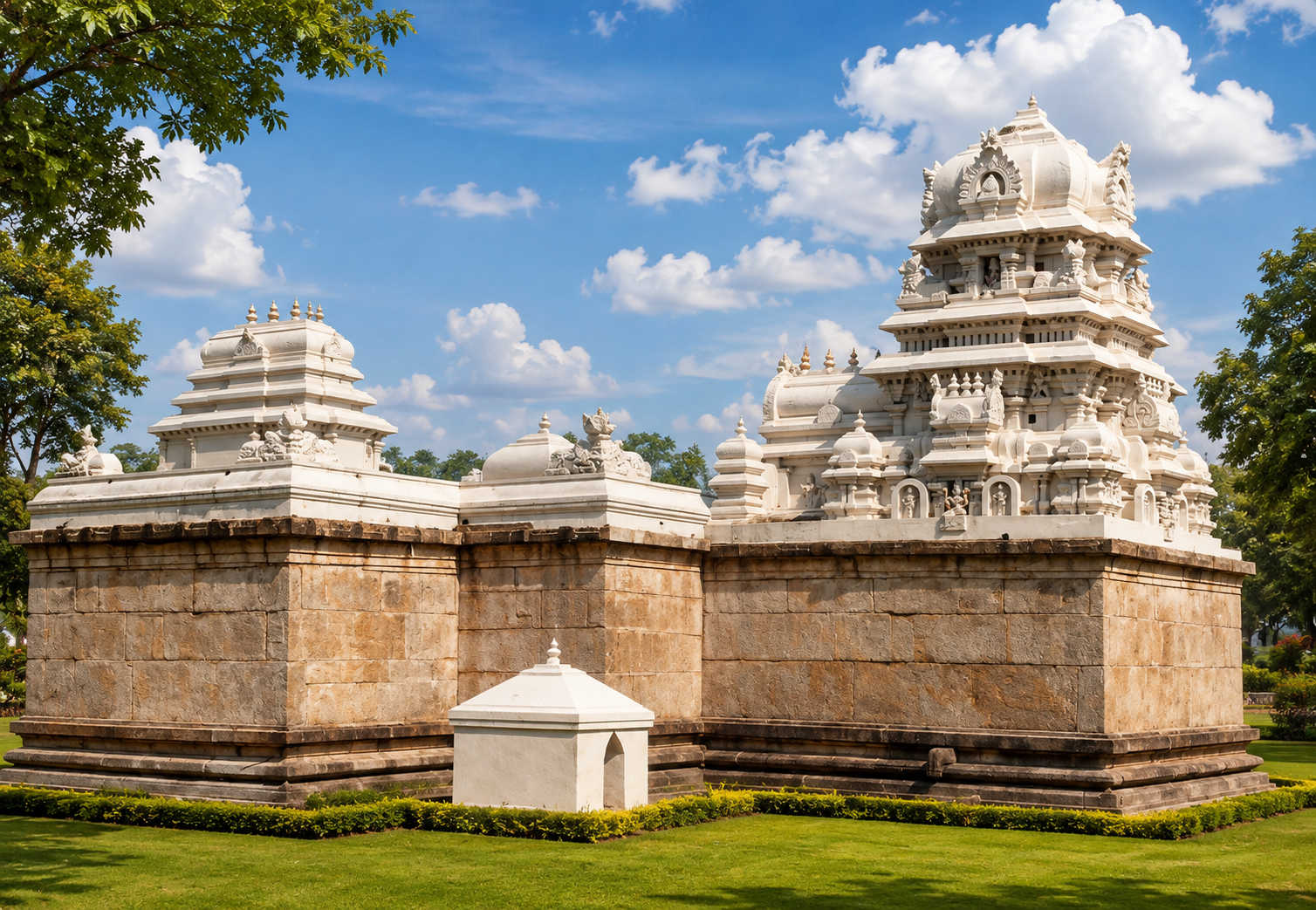
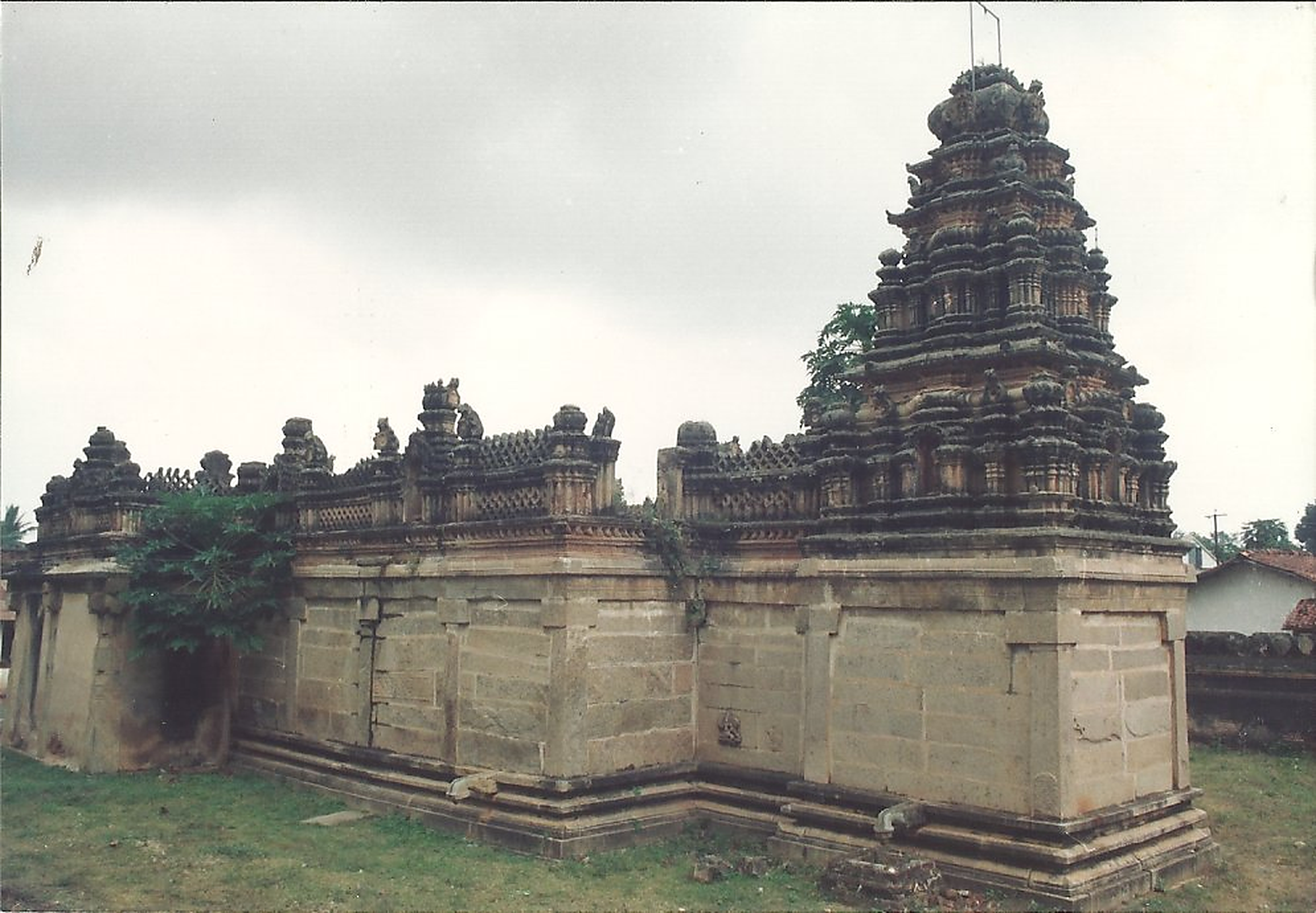
Nanjarayapatna village is situated at a distance of 17kms from Kushalanagara. The temple is said to have been built by Nanjundaraya son of Nanjaraya, a Mahamandleshwar of Kodagu. Inscriptions found in the temple and architectural style is indicative that this must have been built in 16 th century AD in the era of Vijanagara dynasty. The restoration work of the temple was carried out in 1995-96 at a Cost of Rs. 5.62 Lakhs. After restoration of the temple, the daily pooja is being performed.
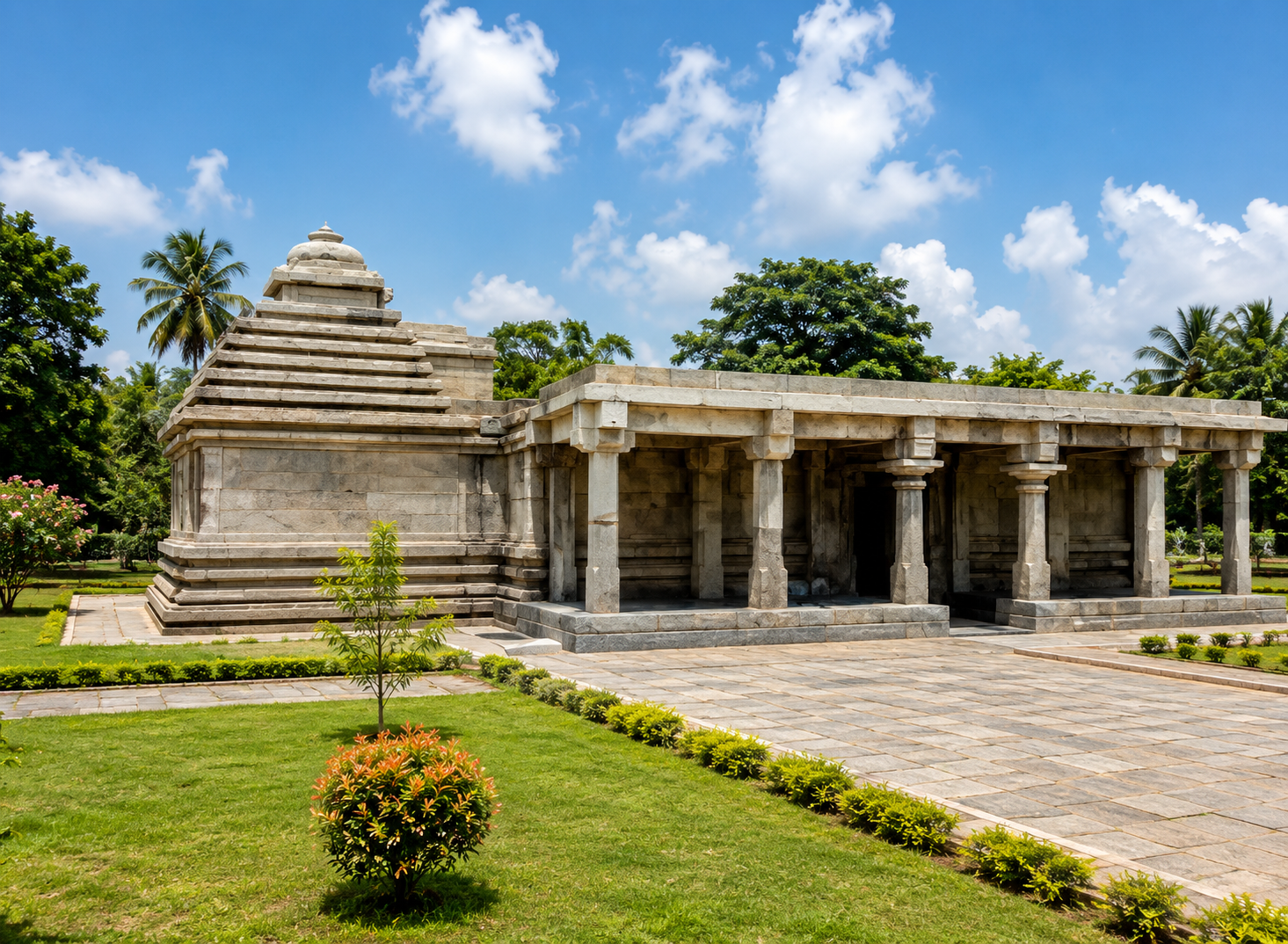
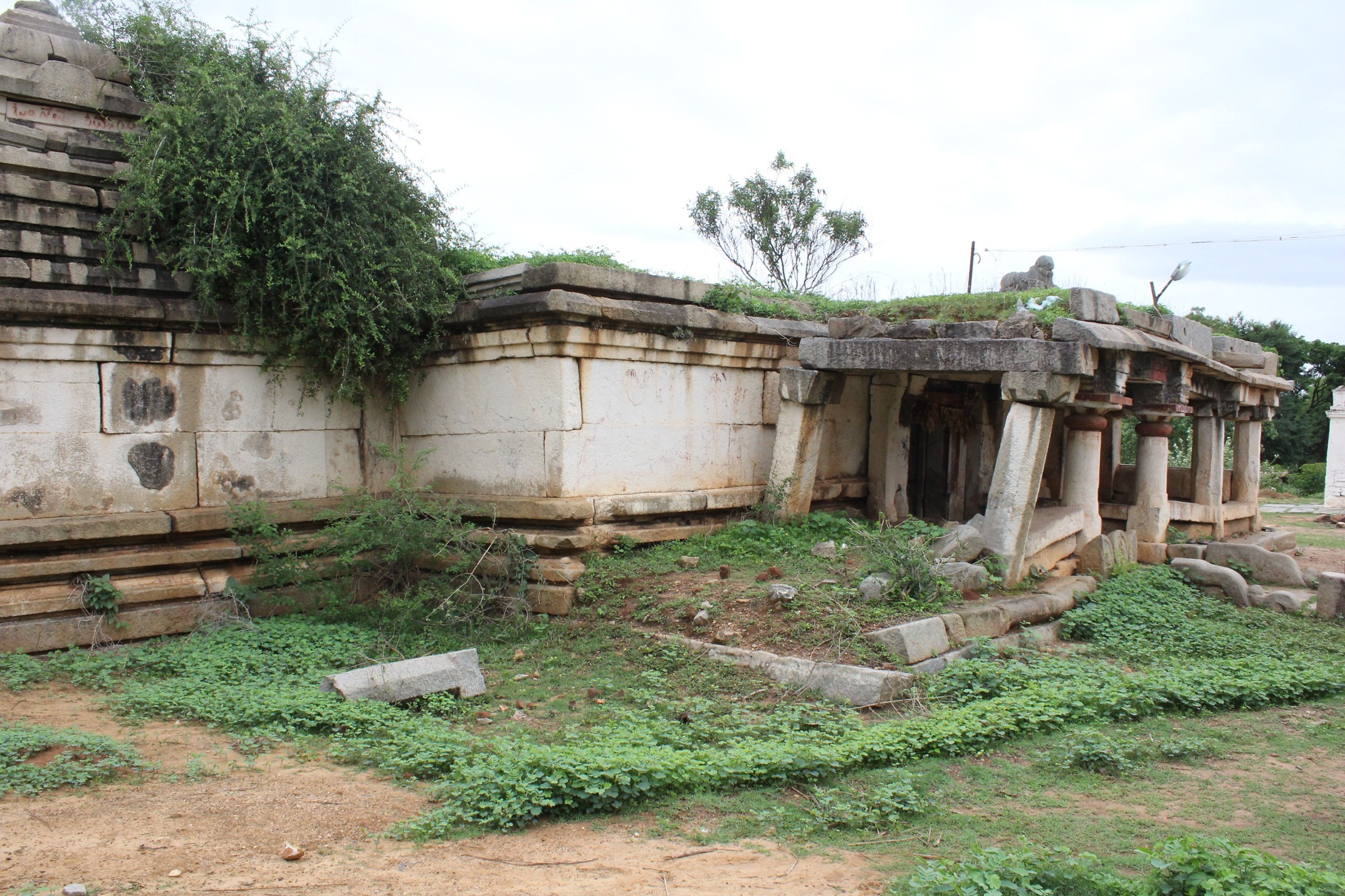
Tangali village is situated at a distance of 5 Kilometers from Kadur Town. Sri Eshwara Temple of Tangali was about Eight hundred years old. The temple was in total bad condition due to breakage of many old stone members and also vegetational growth and due to non maintenance. In front of the temple entrance mantapa was also in bad condition. During restoration the entire temple was totally dismantled and foundation was strengthened and reconstructed replacing the damaged and broken stone members.
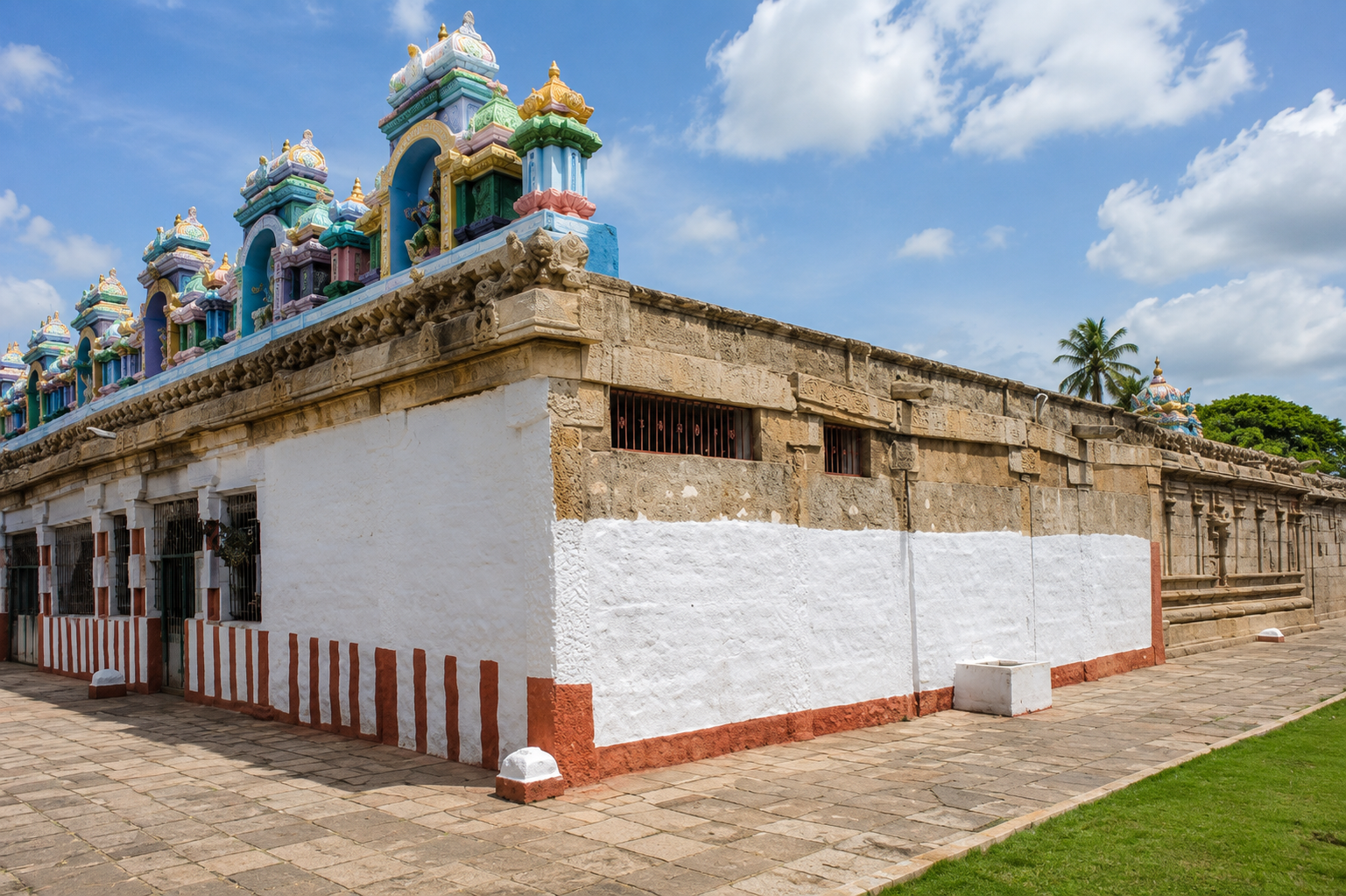
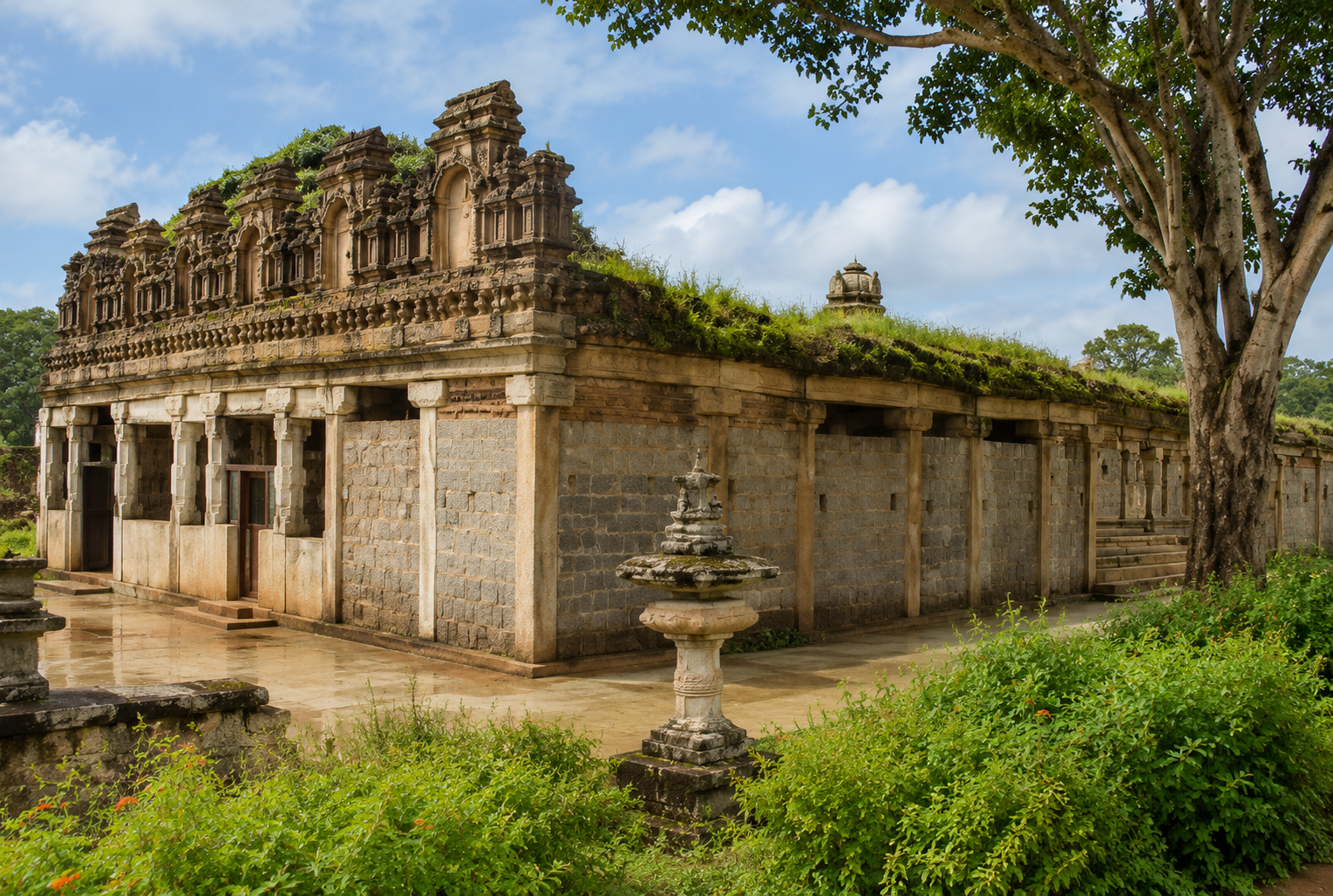
Terakanambi village is situated at a distance of about 15kms from Gundlupete town. Sri Lakshmivaradaraja Swamy Temple was built in 12 th century AD. The temple which was in dilapidated condition, was restored in 1999-01 at a Cost of Rs.9.37 Lakhs. After the restoration work, the daily pooja is being performed in this temple.
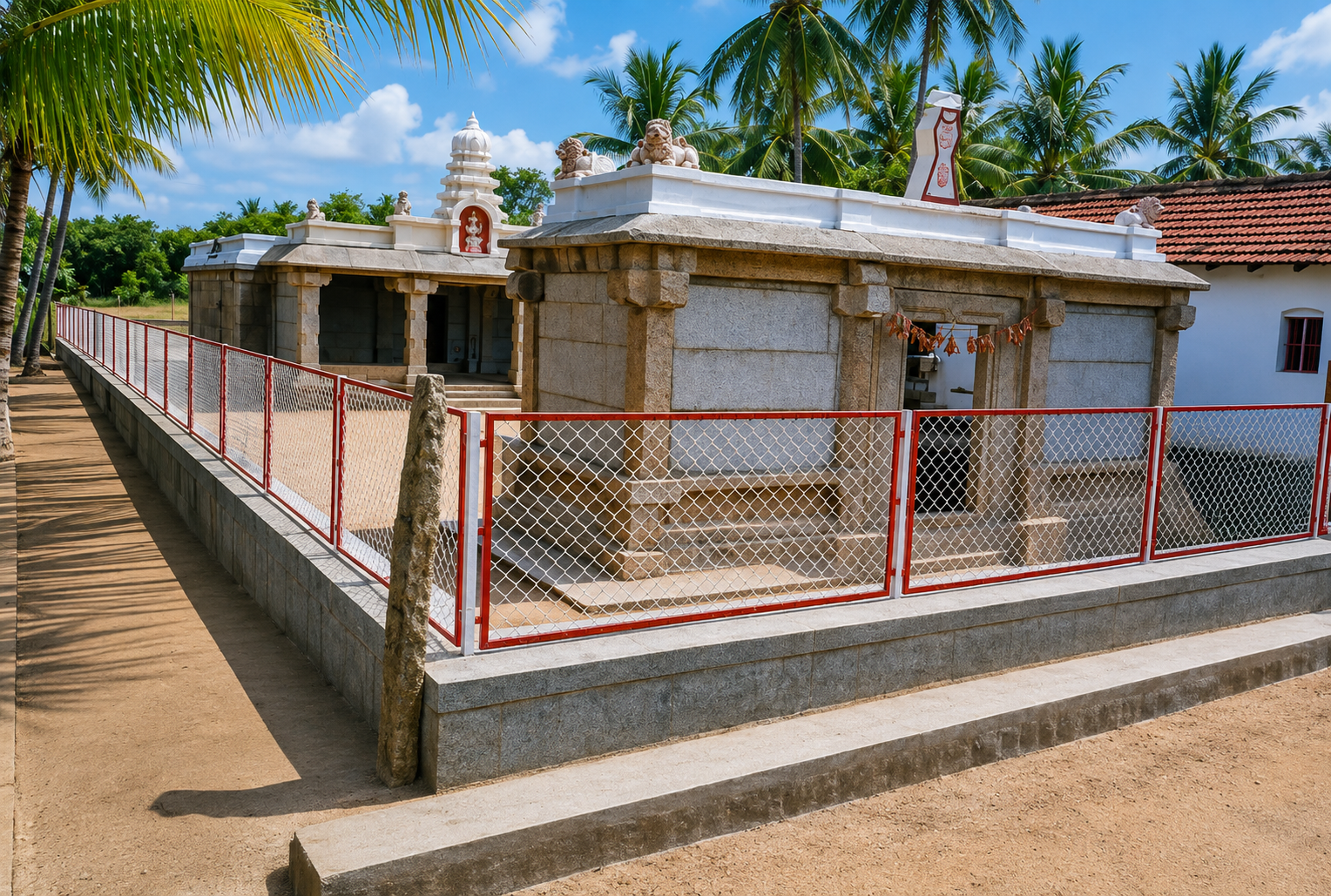
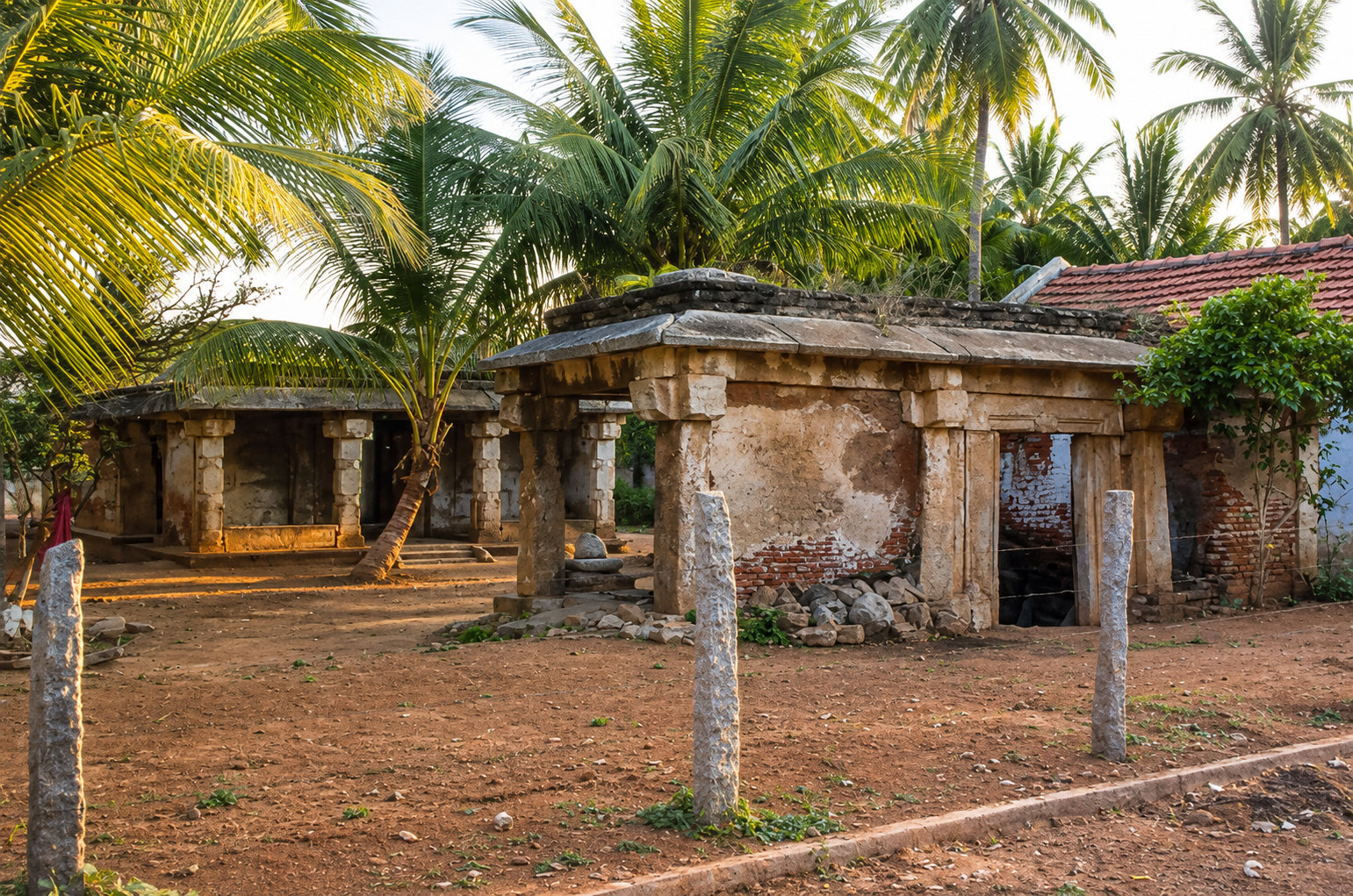
Ummathur village is located at a distance of 16kms from Chamarajanagara town. Sri Vardhamana Swamy Basadi at Ummathur village was built in 14 th century AD. The basadi, which was in dilapidated condition, was restored in 2003-04 at a Cost of Rs.9.00 Lakhs. During restoration work the structure was completely dismantled and re-built after strengthening the foundation. The prakara/linkmesh was also put up around the structure for protection. After the restoration work, the daily pooja is being performed in this basadi.
Ummathur village is located at a distance of 16kms from Chamarajanagara town. Sri Vardhamana Swamy Basadi at Ummathur village was built in 14 th century AD. The basadi, which was in dilapidated condition, was restored in 2003-04 at a Cost of Rs.9.00 Lakhs. During restoration work the structure was completely dismantled and re-built after strengthening the foundation. The prakara/linkmesh was also put up around the structure for protection. After the restoration work, the daily pooja is being performed in this basadi.
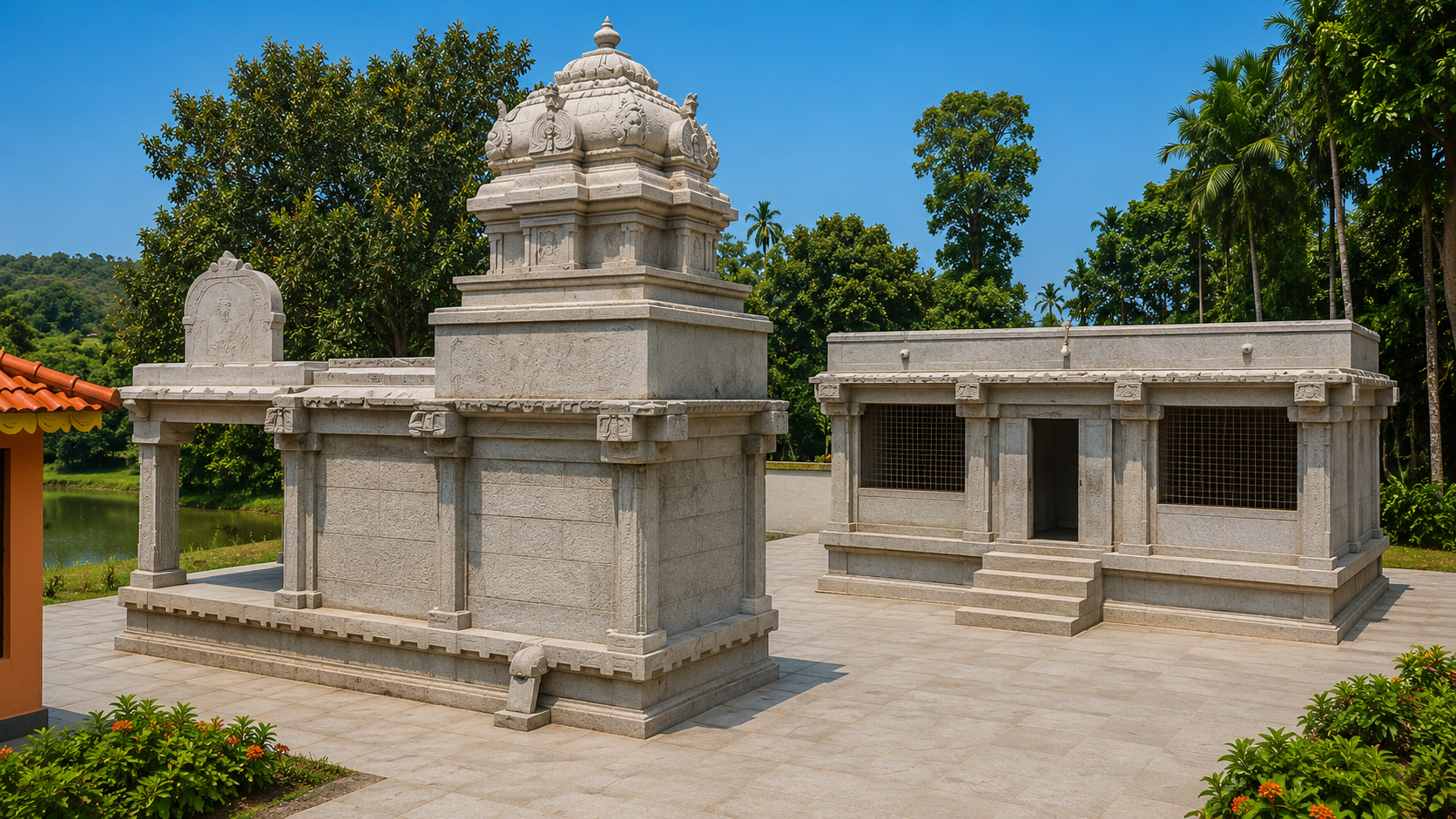
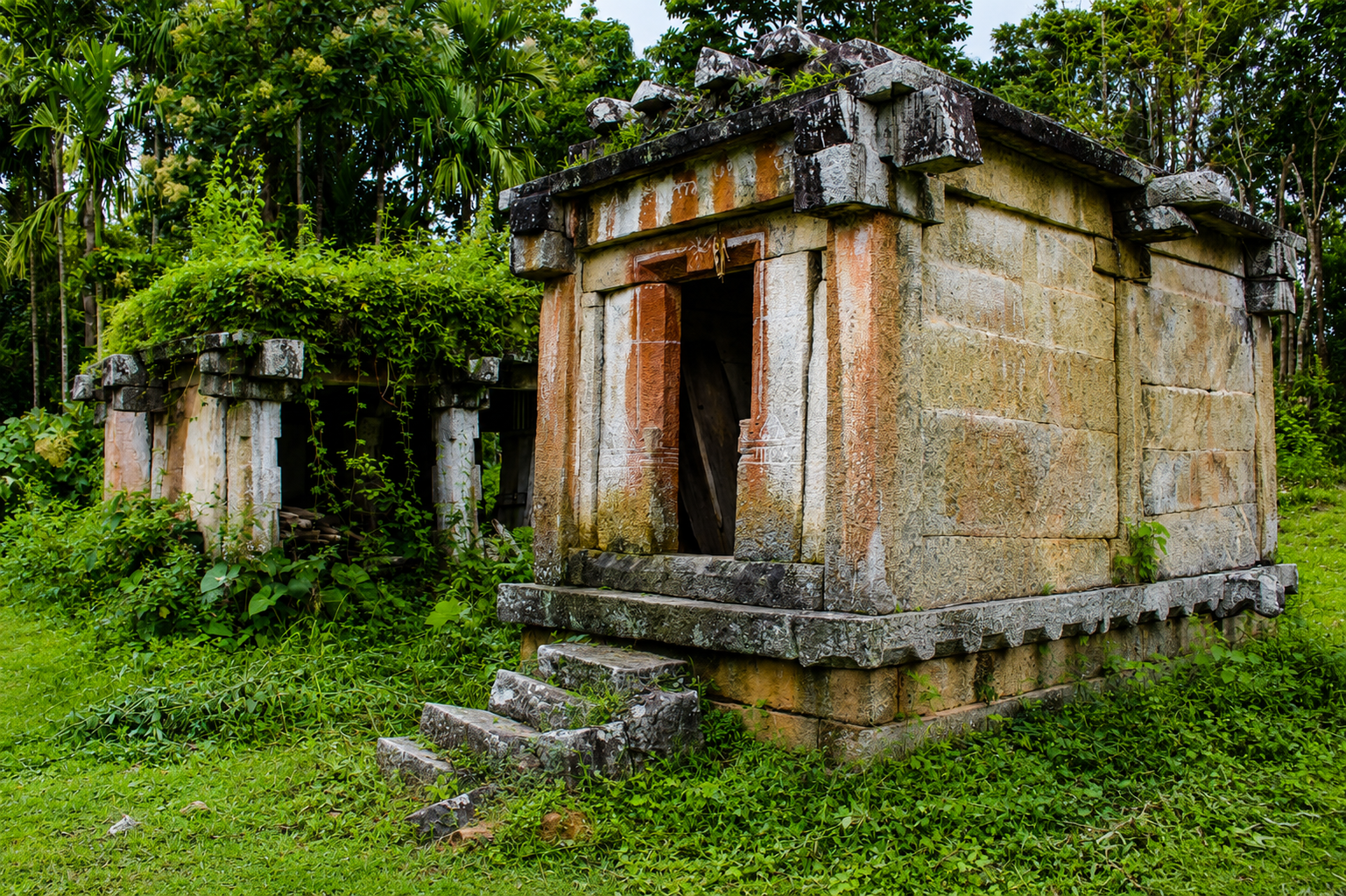
Kunduvalli village is 14km from Chikkamangalore on the way to Aldur. Temple is 400 years ancient. Temple was dilapidated and no rituals were performed. Restoration work was taken up under 14 th phase 2017-18. The structure was totally dismantled. Foundation, Adhishtana and structure is rebuilt. Vimanagopura newly built. For flooring and circular path Granite stones were laid. After restoration, the Kumbhabhisheka program is performed on 08.04.2022.
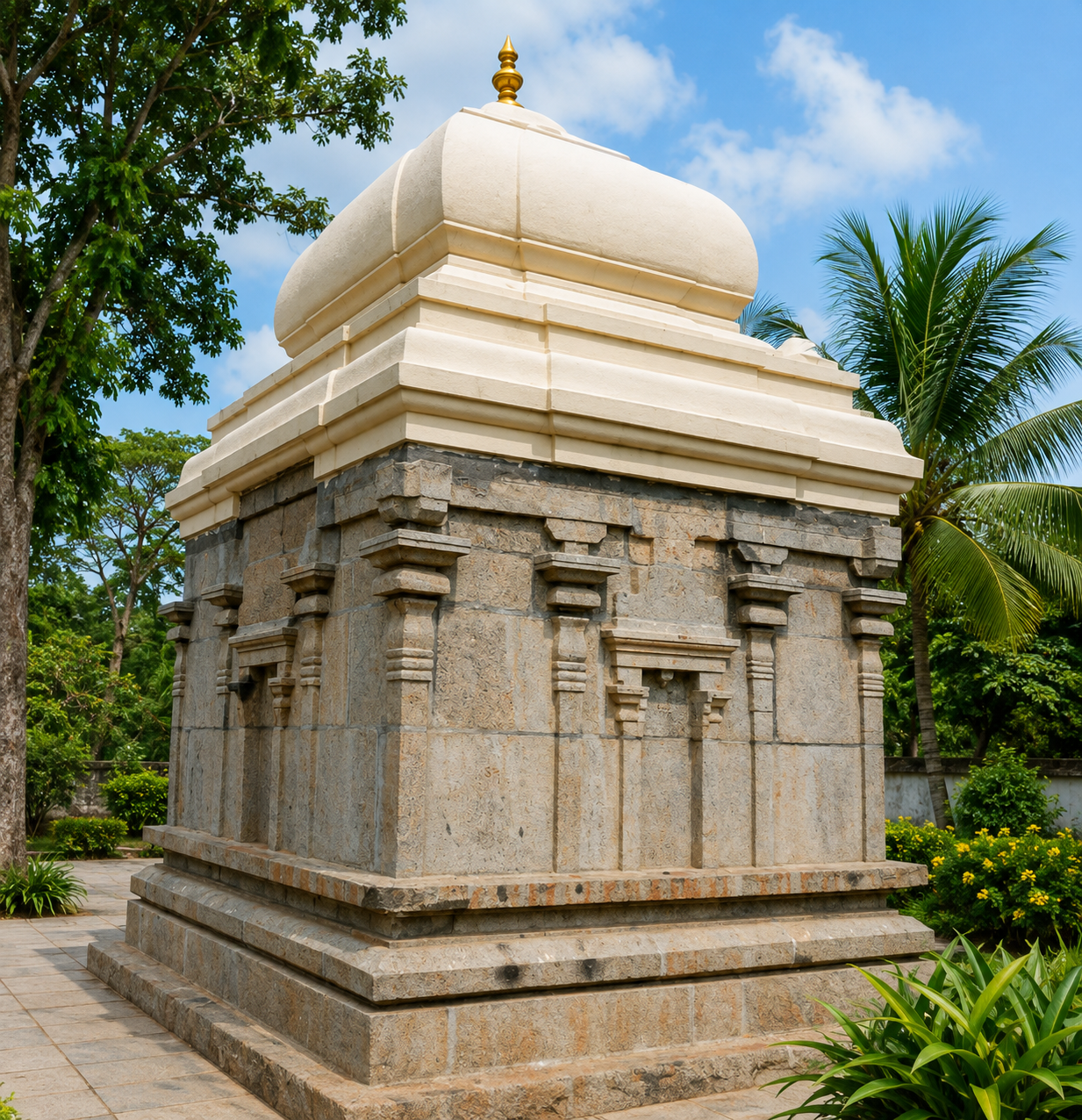
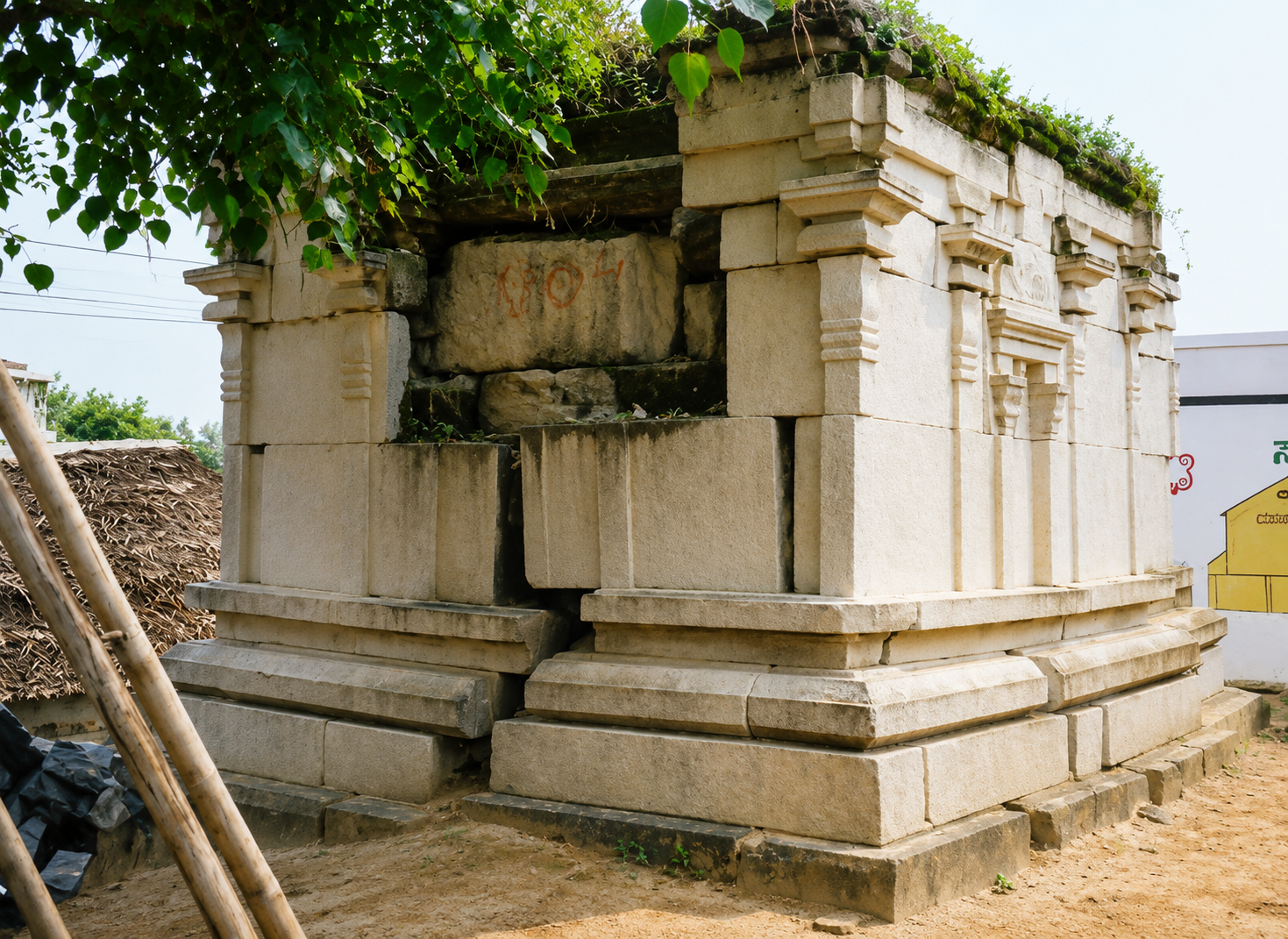
Another historical temple by name Sri Janardhana Swamy temple is also situated at the above mentioned Ganiganur village. This temple was in total dilapidated condition with neglect of daily pooja. This temple was restored in the year 2006 at a Cost of Rs.0.50 Lakhs and thereafter the daily pooja is being performed.
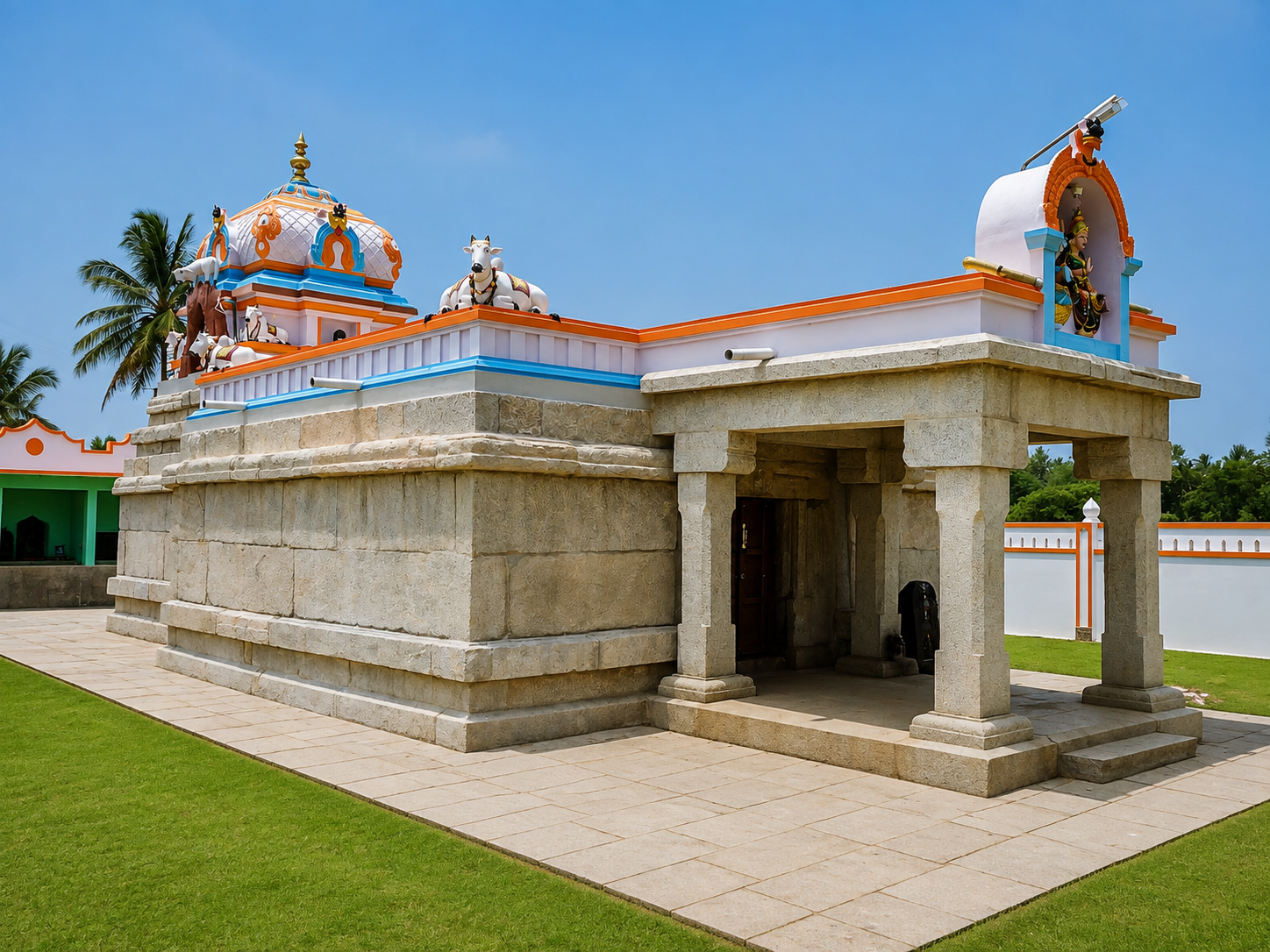
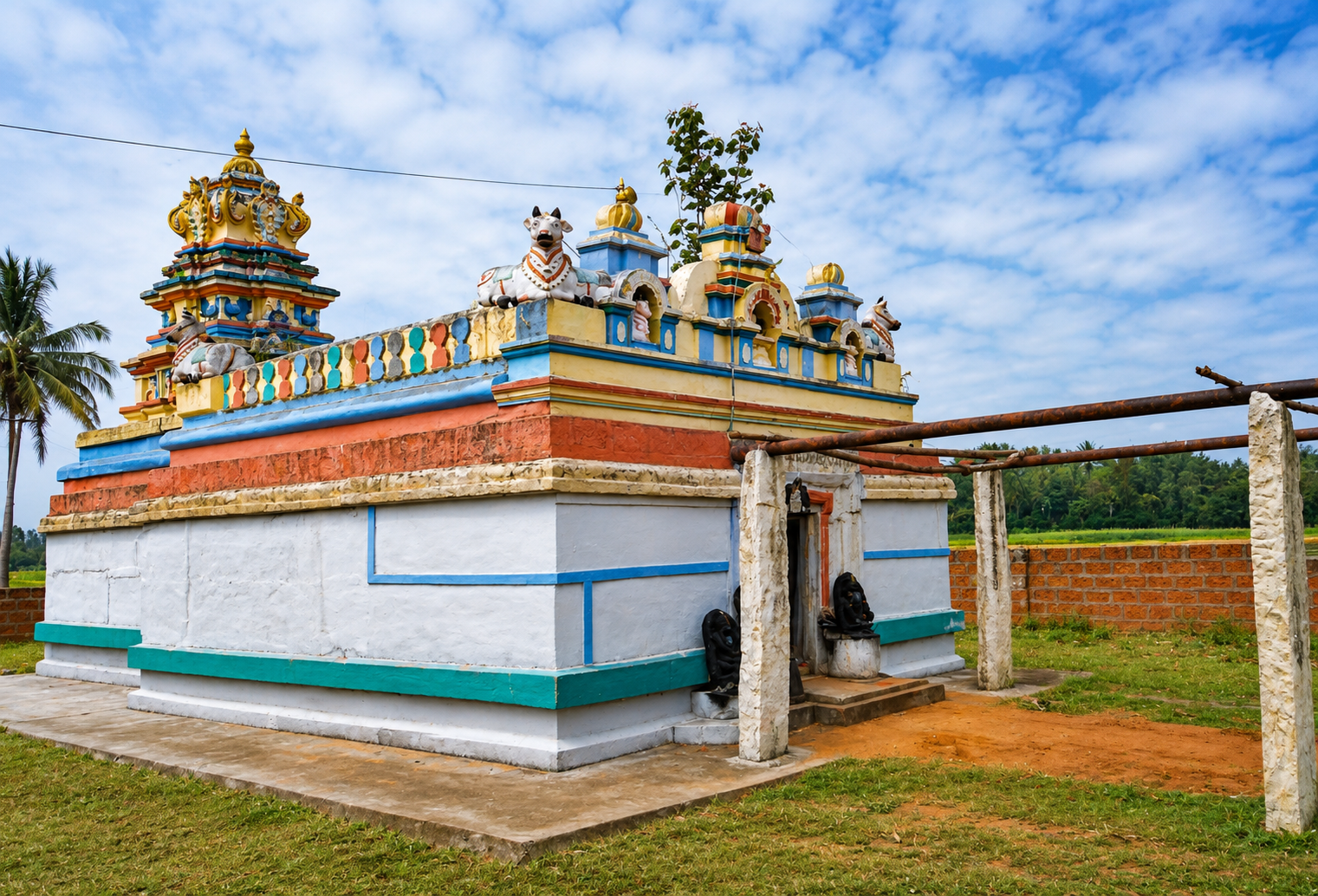
The village Shirangala is situated at a distance of about 12kms from Somavarapete town on the Somavarapete-Hassan road. The temple, which was in completely dilapidated condition, was dismantled and re-built after strengthening the foundation and cleaning the stone members. Suitable Shikara over garbhagriha was also built. A small stone porch was also added in front to this temple during restoration. The restoration work was carried out in 2010-11 at a Cost of Rs.9.25 Lakhs. After the restoration work, the daily pooja is being performed in this temple.
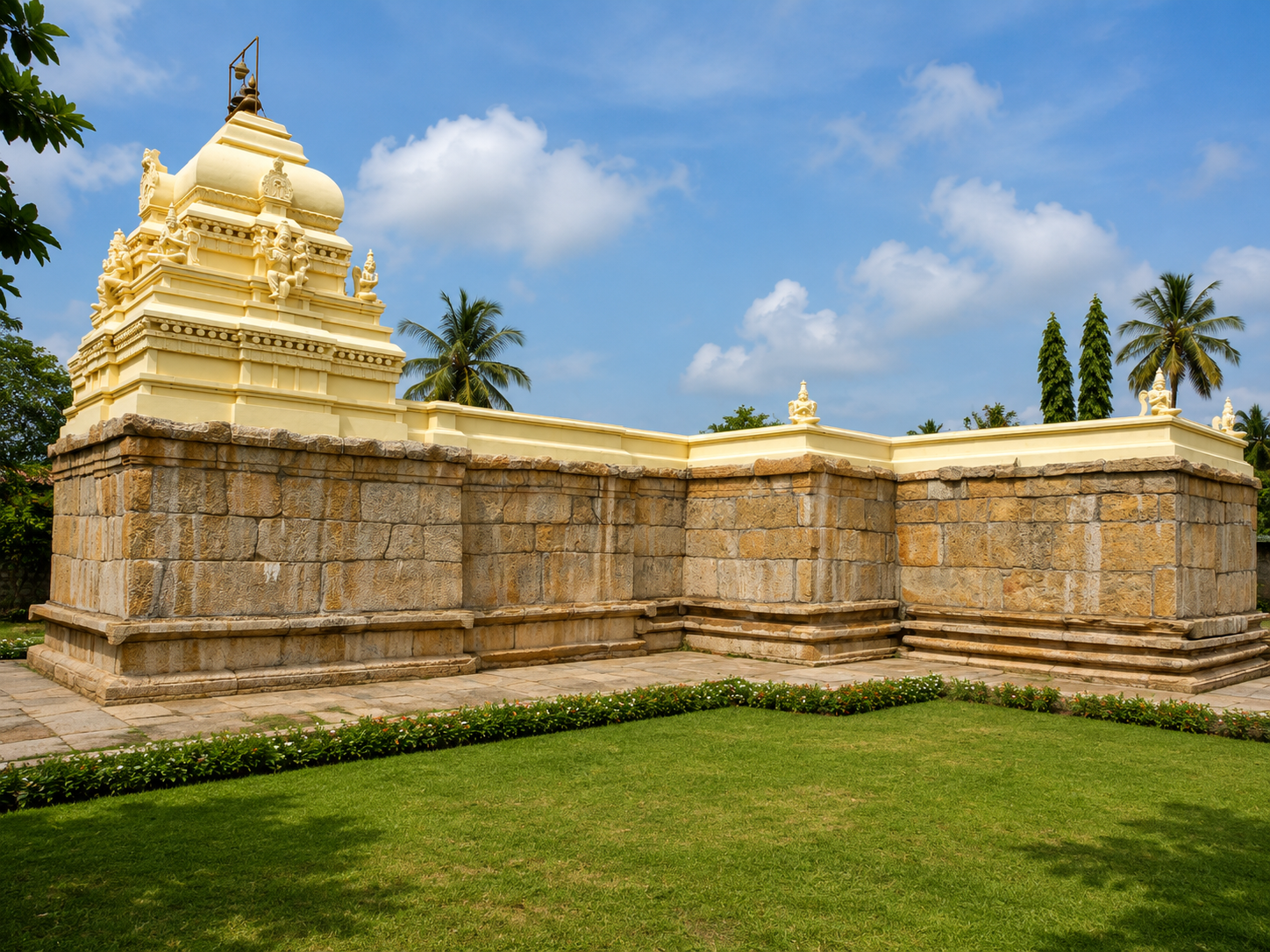
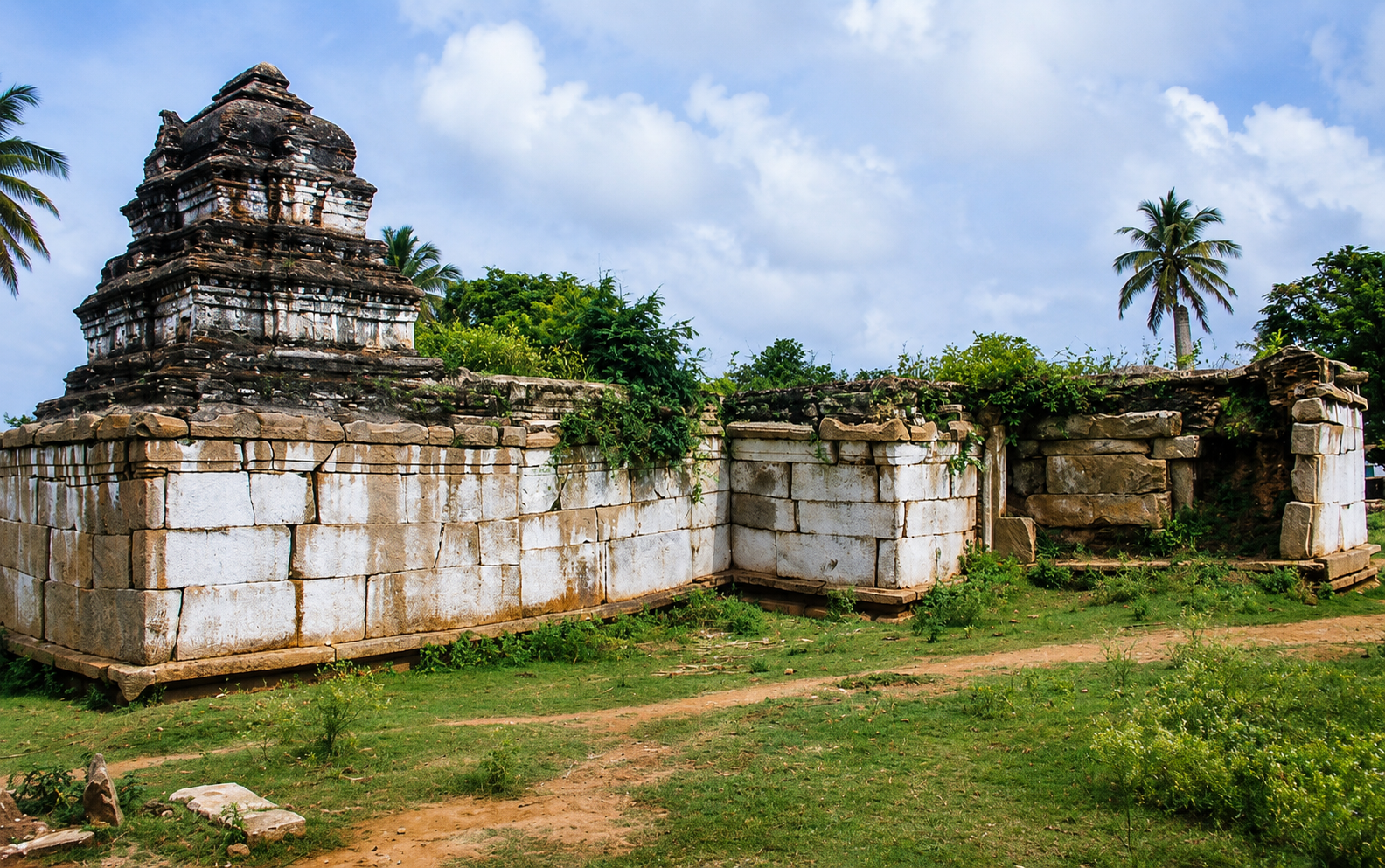
TUmmathur village is situated at a distance of about 16kms from Chamarjanagara town. Sri Ranganatha Swamy Temple was built by Sri Rangaraya of Vijayanagara dynasty. Inscriptions found in the temple and the architectural style indicates that the temple must have been built in 16 th century AD. At the entrance of the temple, there is a beautifully carved Dwajastamba made up of one single stone. This is a Trikutachala temple and main diety is Sri Ranganatha Swamy. The temple consists of open porch, Sabhamantapa, Sukhanasi and Garbhagriha on 3 sides. The restoration work of the temple was carried out during 2005-06 at a Cost of Rs.13.00 Lakhs. After the restoration work, the daily pooja is being performed in this temple.
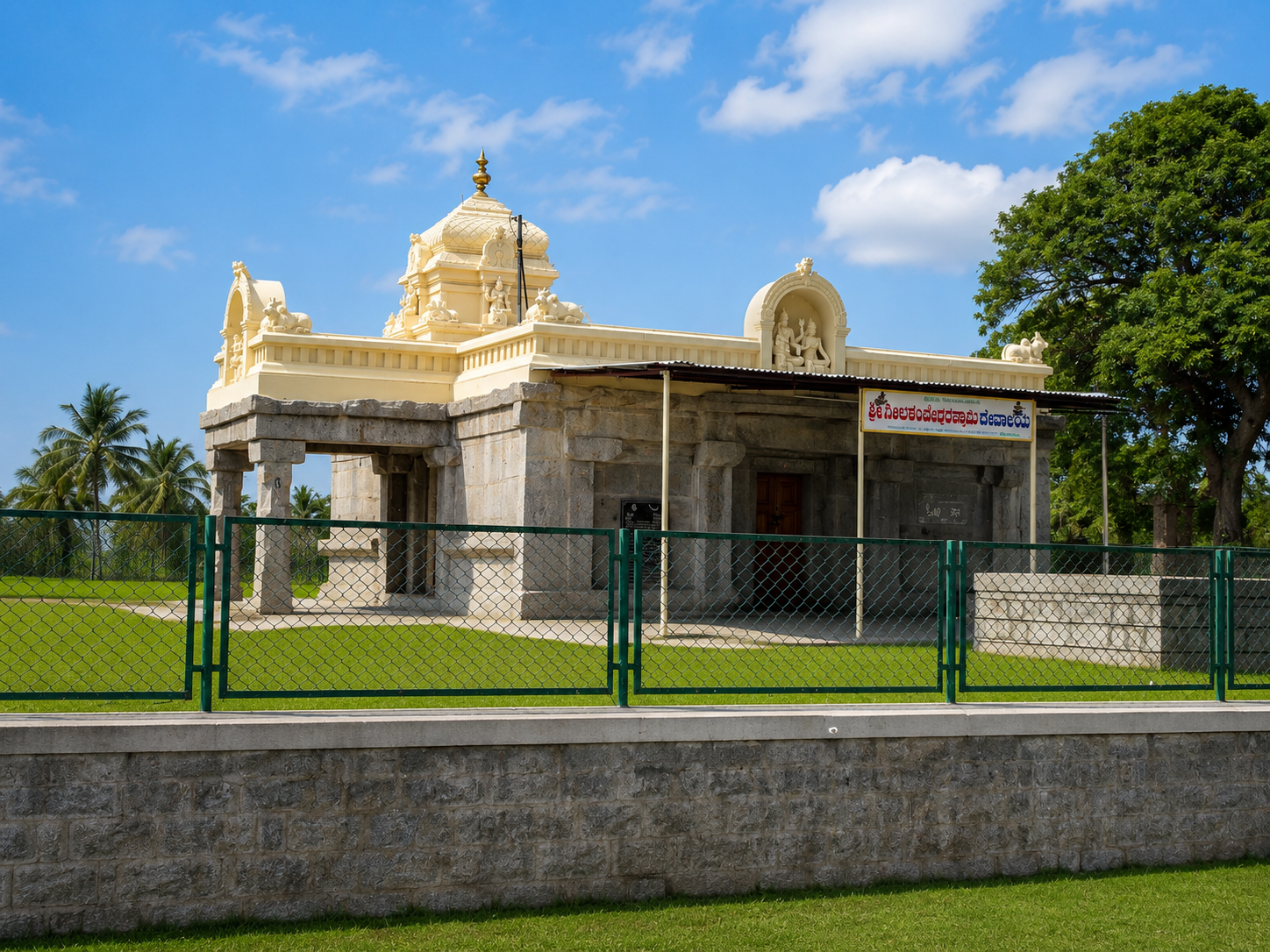
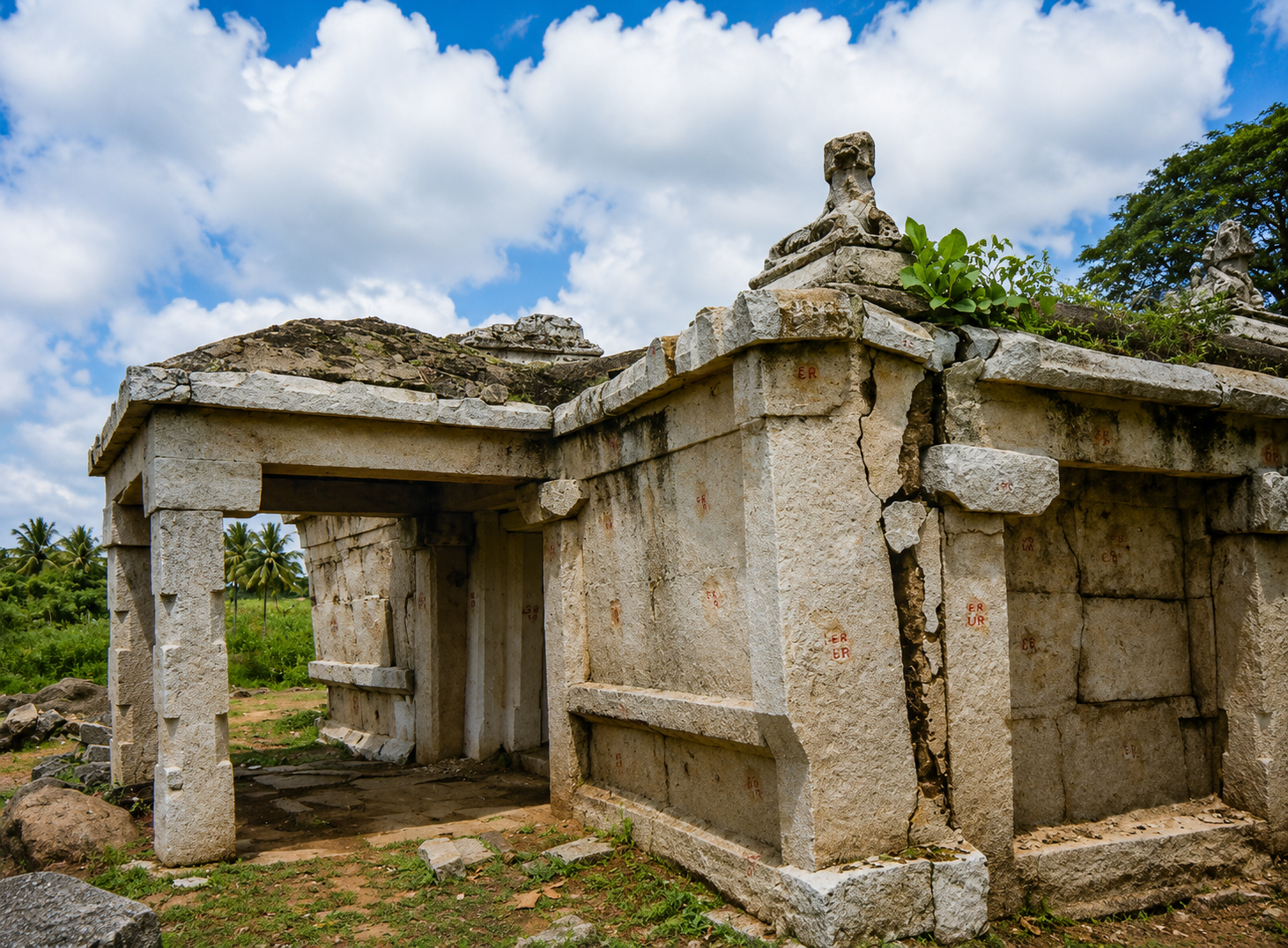
Ganiganur village is at a distance of 3kms from Yelandur town. Sri Neelakanteshwara Temple is situated on a small hillock. The influence of the architectural features of Hoysala and Chola dynasties are clearly visible in this temple. The temple was built in 11 th century AD. Considering the inscriptions found, it belongs to the period of Gangaraja. The restoration work of the temple was carried out during 2006-07 at a Cost of Rs.15.00 Lakhs.

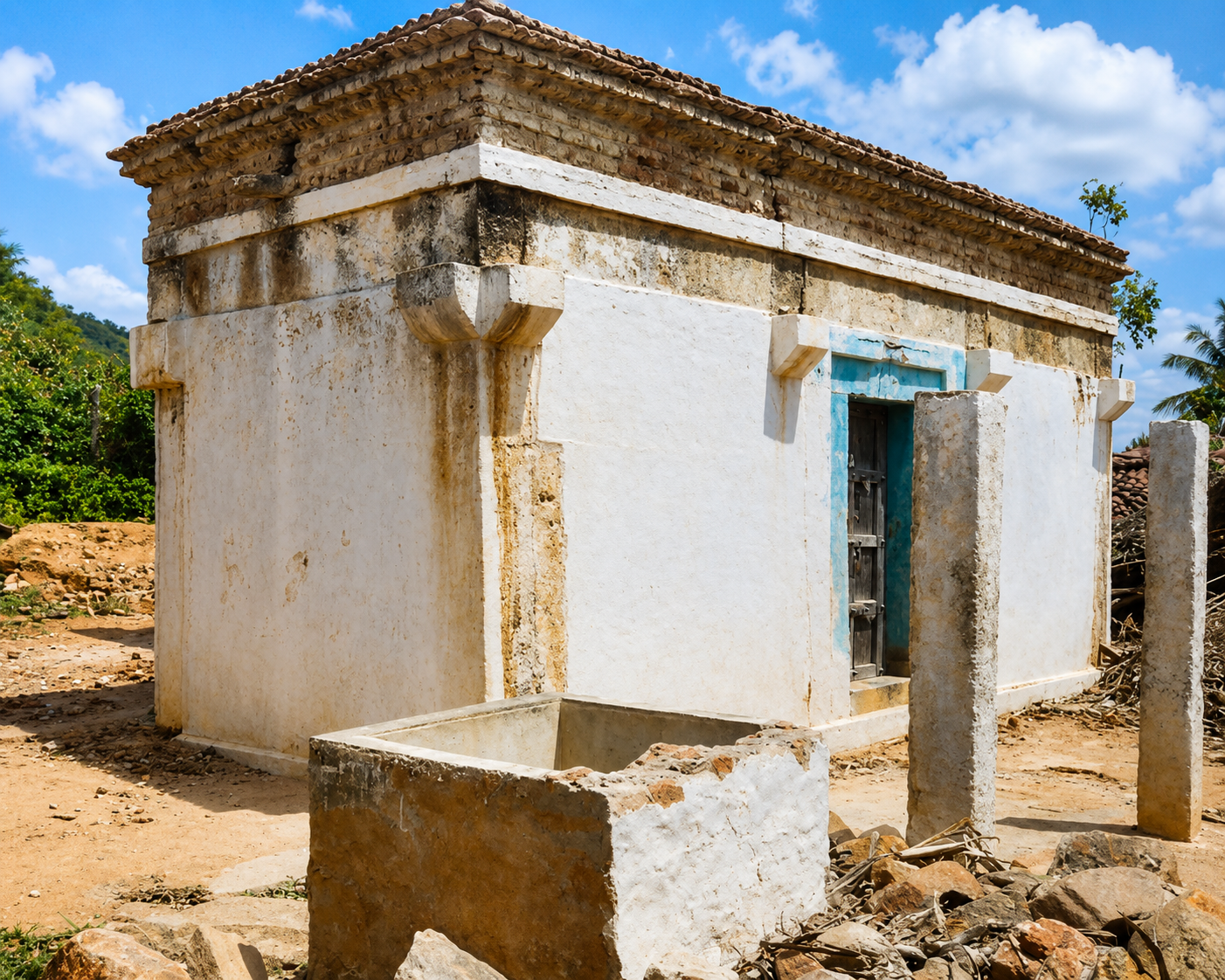
Lokkenahally village is situated at a distance of 20kms from Kollegala town. Sri NarayanaSwamy temple of about 250 years old was in dilapidated condition. The restoration work of this temple was carried out in 2011-12 at a Cost of Rs.10.00 Lakhs. Suitable Shikara over garbhagriha and prakara for protection of the temple was built. After the restoration work, the daily pooja is being performed in the temple.


Ambale Village is of 5 kms from Chickmagalore Town on the way to Beluru. The temple is of 400 years ancient & historical temple. The temple was totally in dilapidated condition. The roof of the temple was fallen, which was dilapidated due to vegetational growth ,The restoration of the temple took place in the 2020-21 under 15 th phase project. During restoration stone members were dismantled and re-constructed after strengthening the Adhistana. All the existing stone members were cleaned and the structure was reconstructed as per the original. Shikhara and Pharaphet wall was also rebuilt. Two shikara over garbagriha was built. Granites were laid Inside and outside of the temple flooring, circular path.
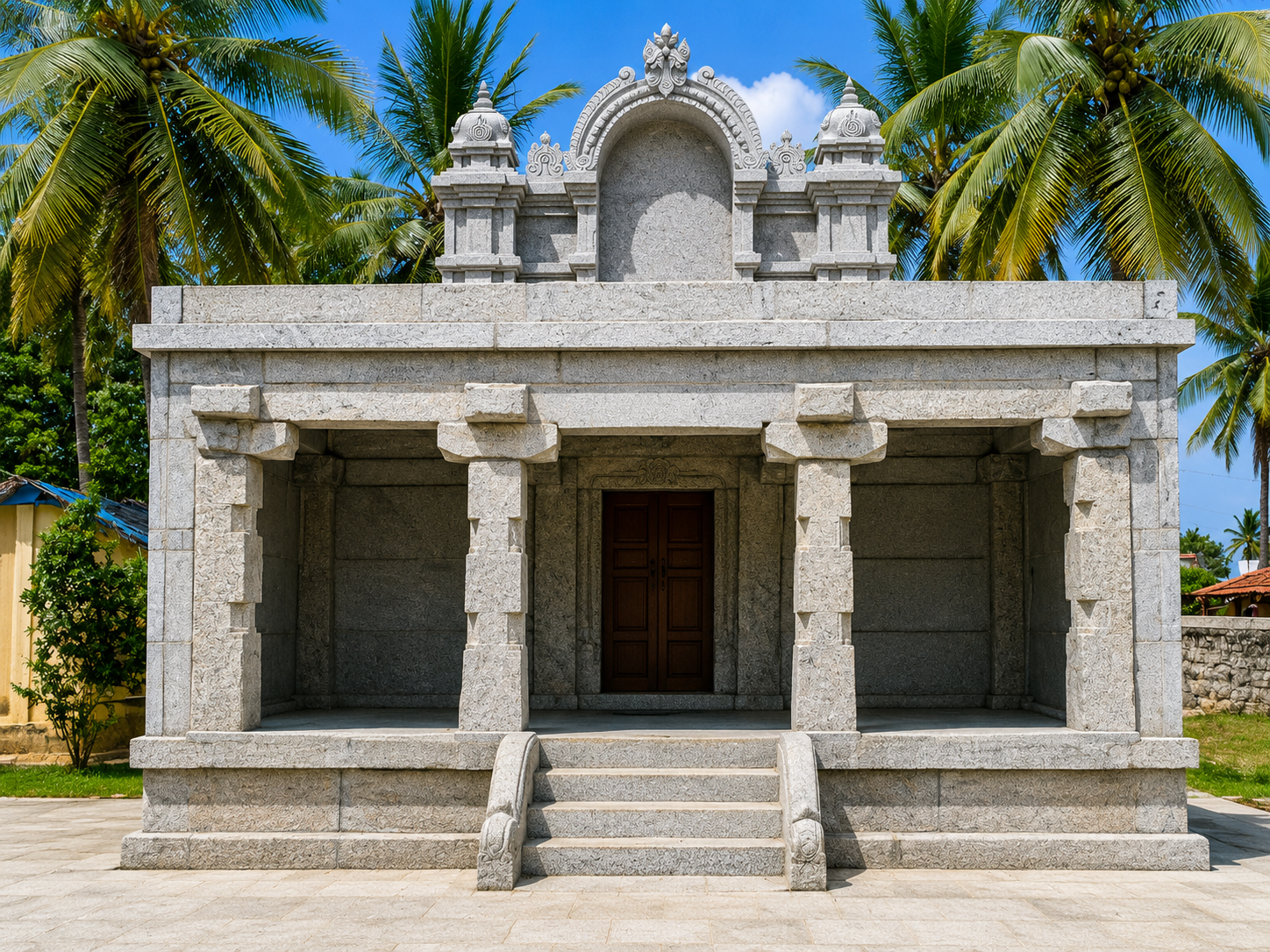
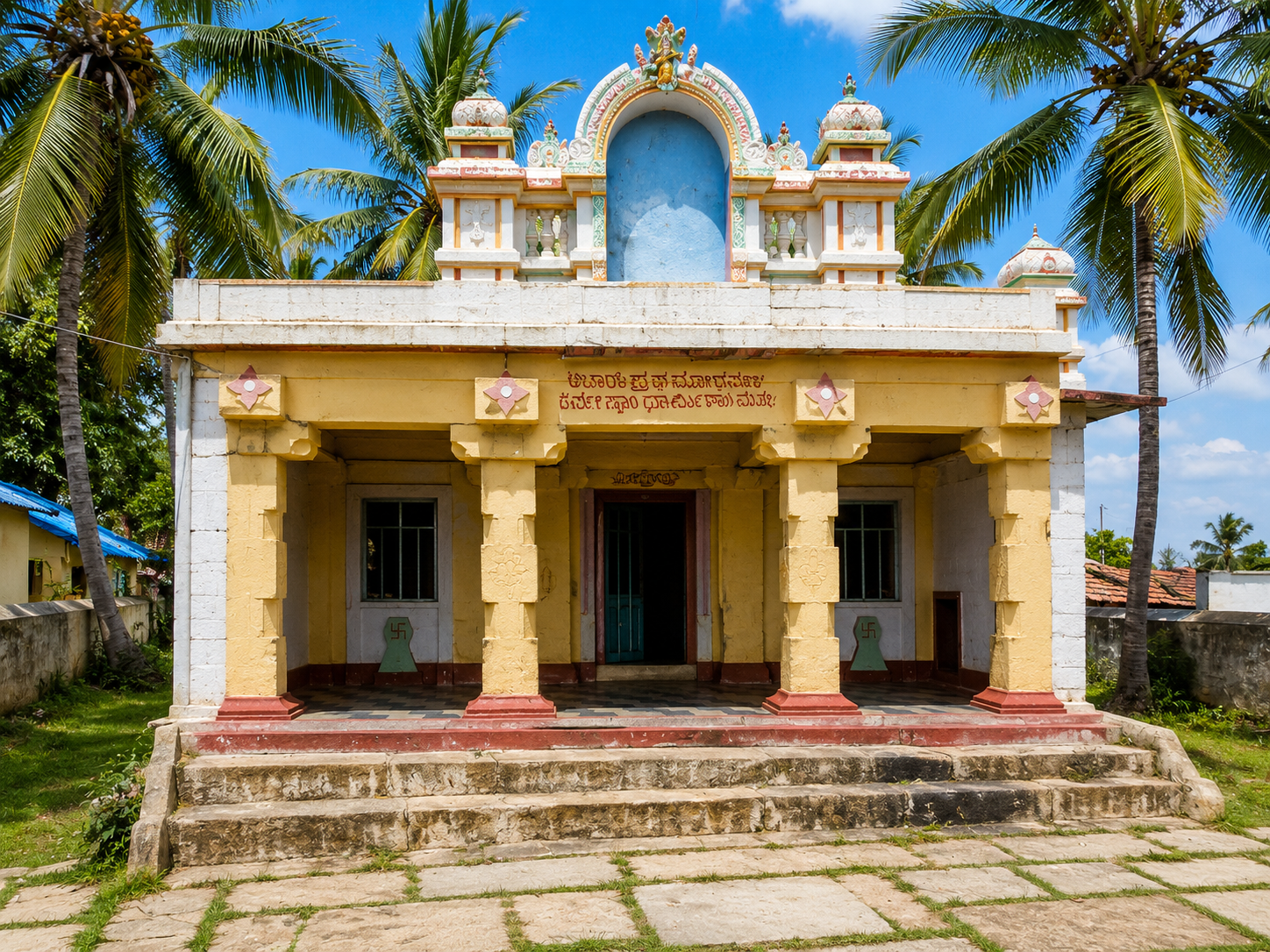
Kuderu village is situated at a distance of 15kms from Chamarajanagara town. Sri Adhinatha Basadi is of about 300 years old and which was built in Vijayanagara style of architecture. The outer wall of the dilapidated basadi was completely removed and reconstructed with new stones after strengthening the foundation. The restoration work commenced in March 2013-16 at a Cost of Rs.21.00 Lakhs is in completion stage.
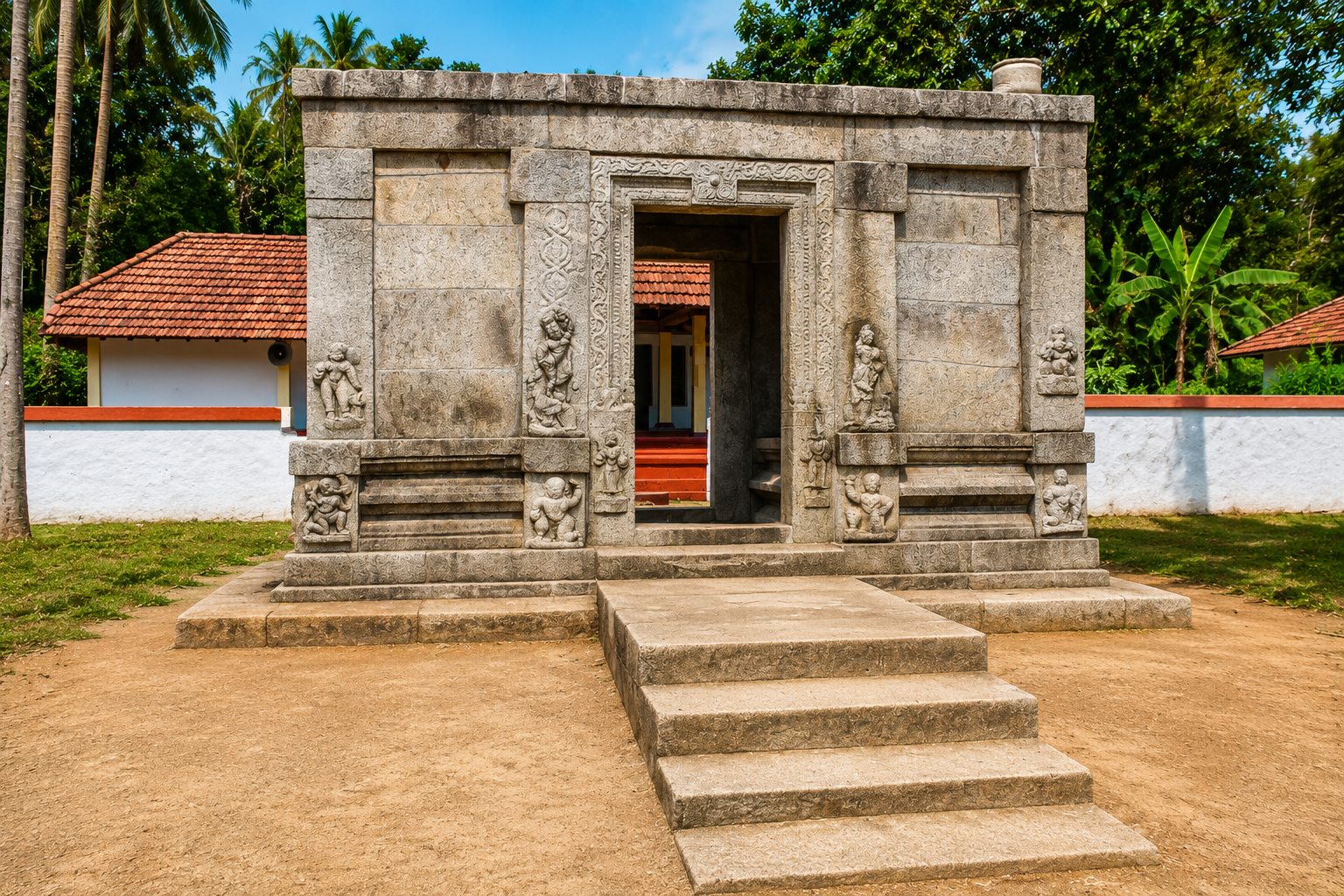
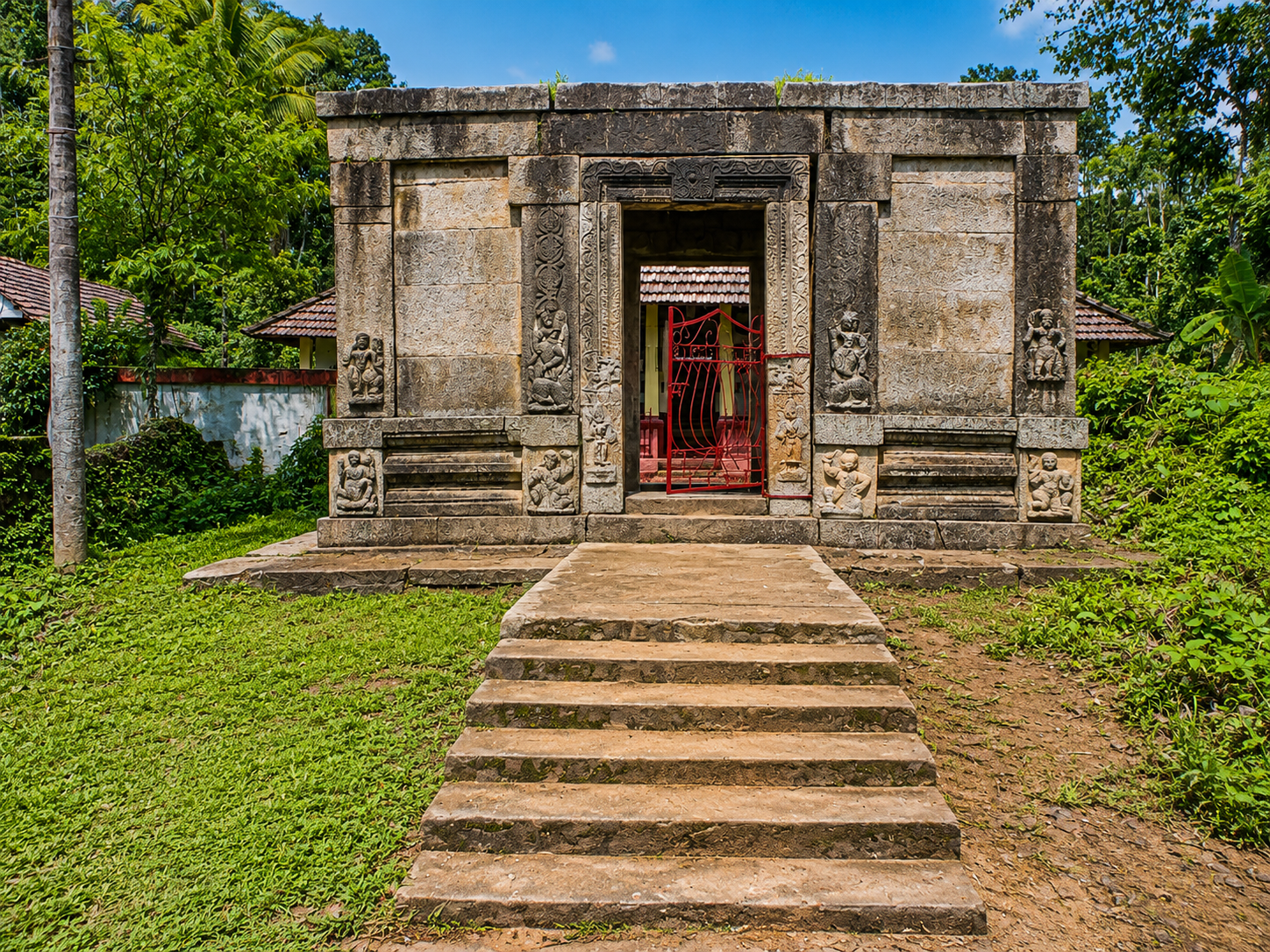
Arameri village is situated about 35kms from Madikeri town in Kodagu District and 5kms from Viraajapet town. Sri Bhagavati Temple of Arameri is about 500 years old. The stone mantapa in front of the temple was in dilapidated condition. After complete dismantling the structure the stone members were chemically cleaned and reconstructed as per the original after strengthening the foundation. This restoration work carried out in 2013 at a Cost of Rs.1.50 Lakhs.
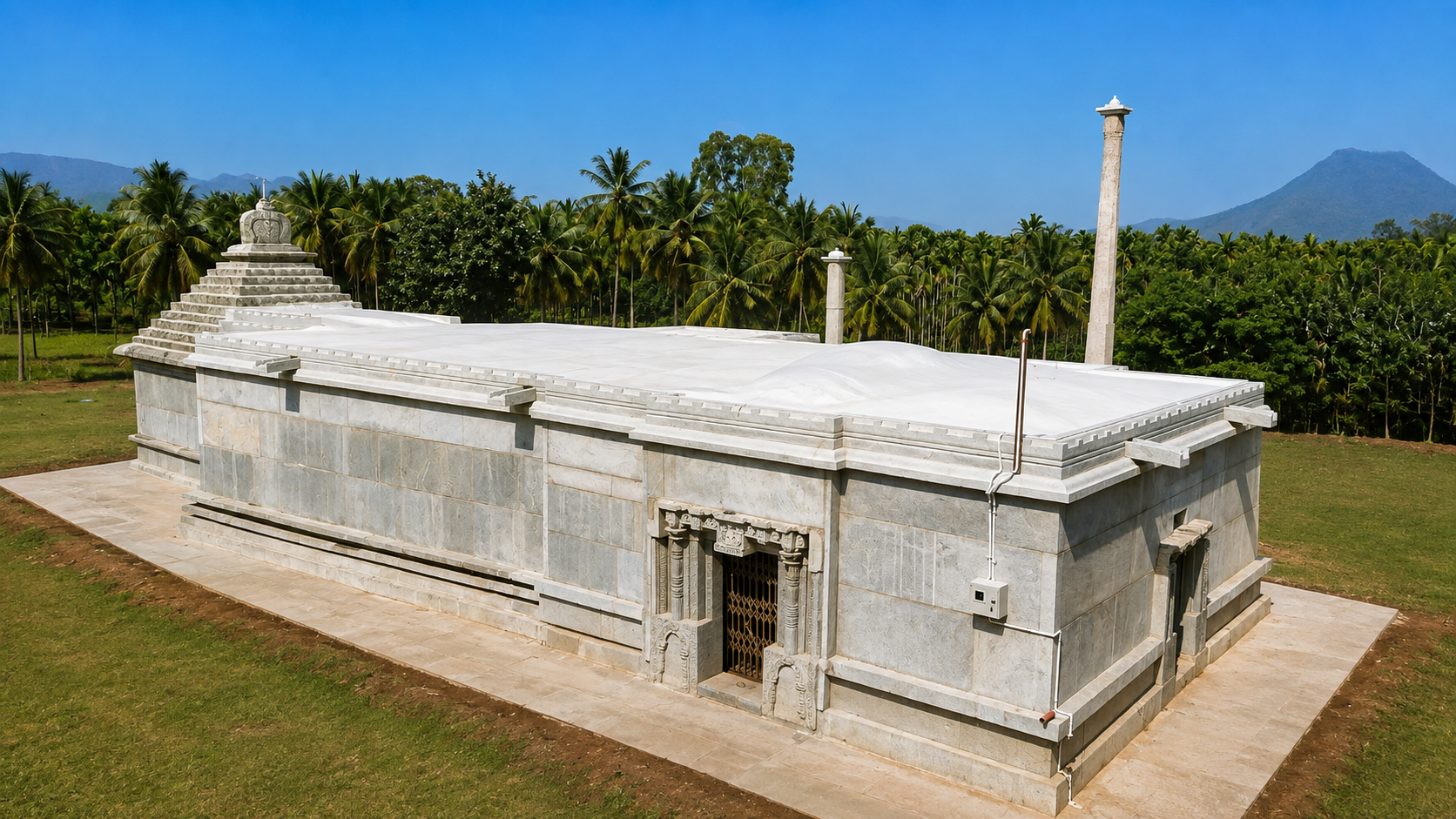
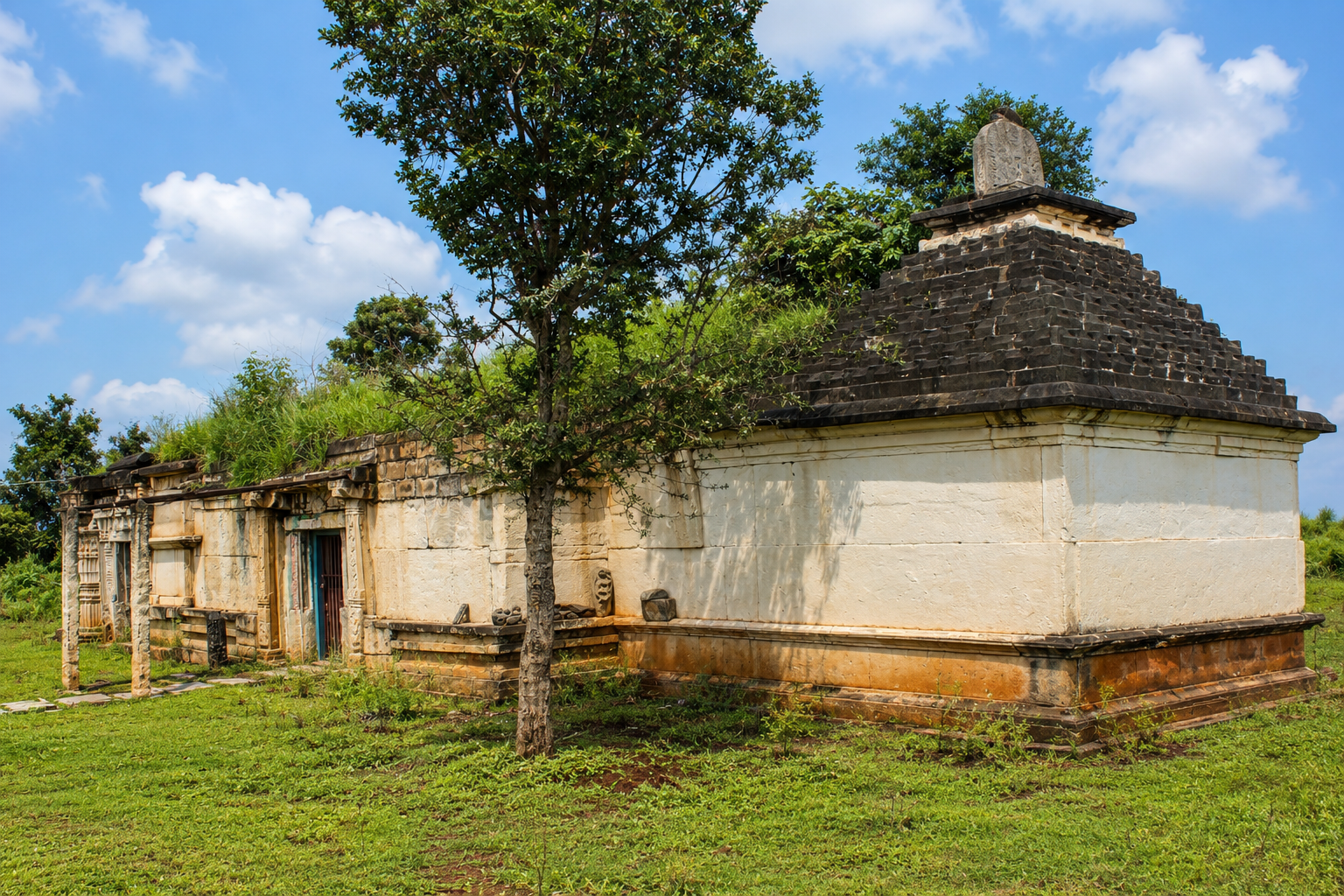
Sri kalahastheshwara Temple is 5 km from Sakharayapattana of Kadur Taluk, Chikkamangalore-Kadur road. Temple is 1000 years ancient, Hoysala style. Temple has two Navaranga Mantapa and with sculptural art in pillars and indoor terrace. The temple was totally dilapidated with lot of vegetation on the roof and surrounding area. Restoration of temple was taken up under 15 th phase of 2018-19. The structure was dismentaled, stone were cleaned. Foundation was strengthened and structure is reconstructed as for the original. Vimana gopura is also reconstructed by using same stones. Flooring and circular path is laid with granite stones.
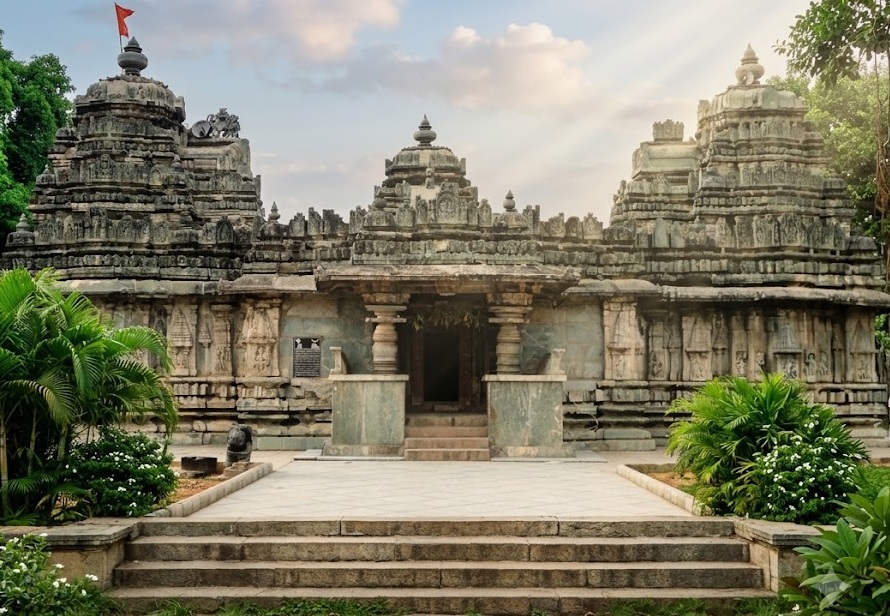
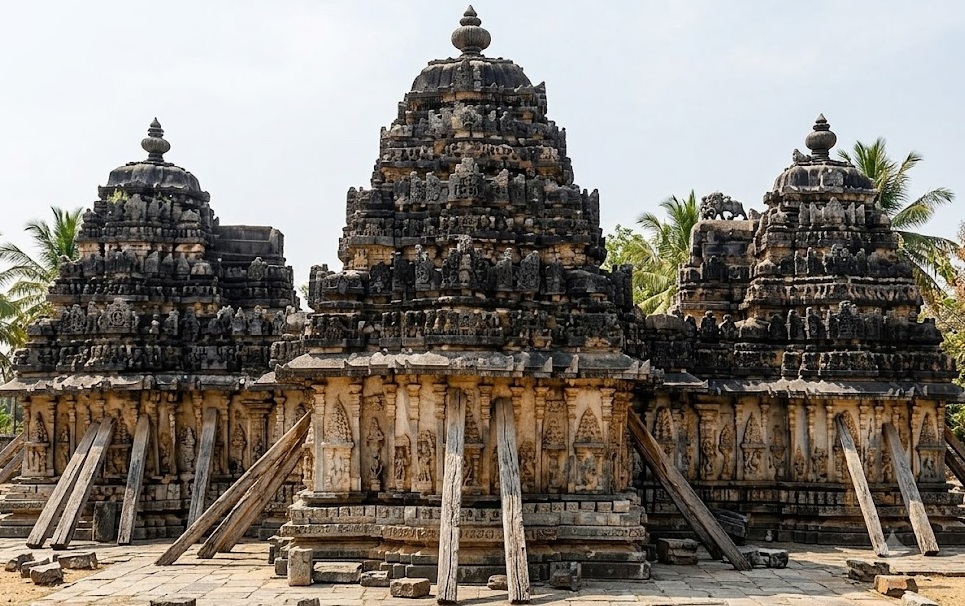
Hirenallur village is situated at a distance of about 12kms from Kadur town. Sri Mallikarjuna Swamy Temple is a State Protected Monument, under the control of Department of State Archeology. This Trikutachala Temple was built between 10 th and 11 th century AD. It has a distinct architectural style of Hoysala dynasty. The temple was in complete dilapidated condition owing to huge growth of wild vegetation in and around it. The restoration work of the temple was carried out during 2004-06 at a Cost of Rs.14.50 Lakhs. The Cultural Department of Government of India extended the financial support for this work through Archeological Survey of India. After the restoration work, the prakara was built around the temple in addition to a beautiful garden around the monument. Thus, the monument has now become a place of tourist attraction in the region.
Naremaddepalli is a village situated 20kms from Bagepalli town. Sri Meenakshi Somasundareshwara Temple built about 300 years ago was in total dilapidated condition. After complete dismantling the structure, restoration work was carried out during 2005-06 at a Cost of Rs. 6.00 Lakhs. After the restoration of the temple, the daily pooja is being performed and attracting many a number of devotees.
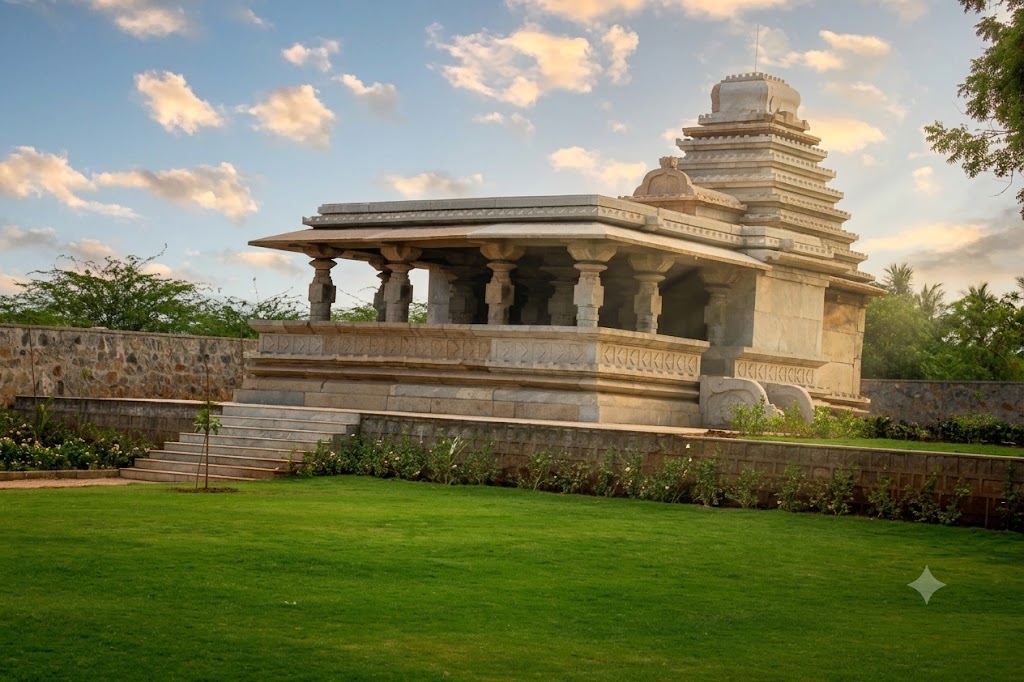
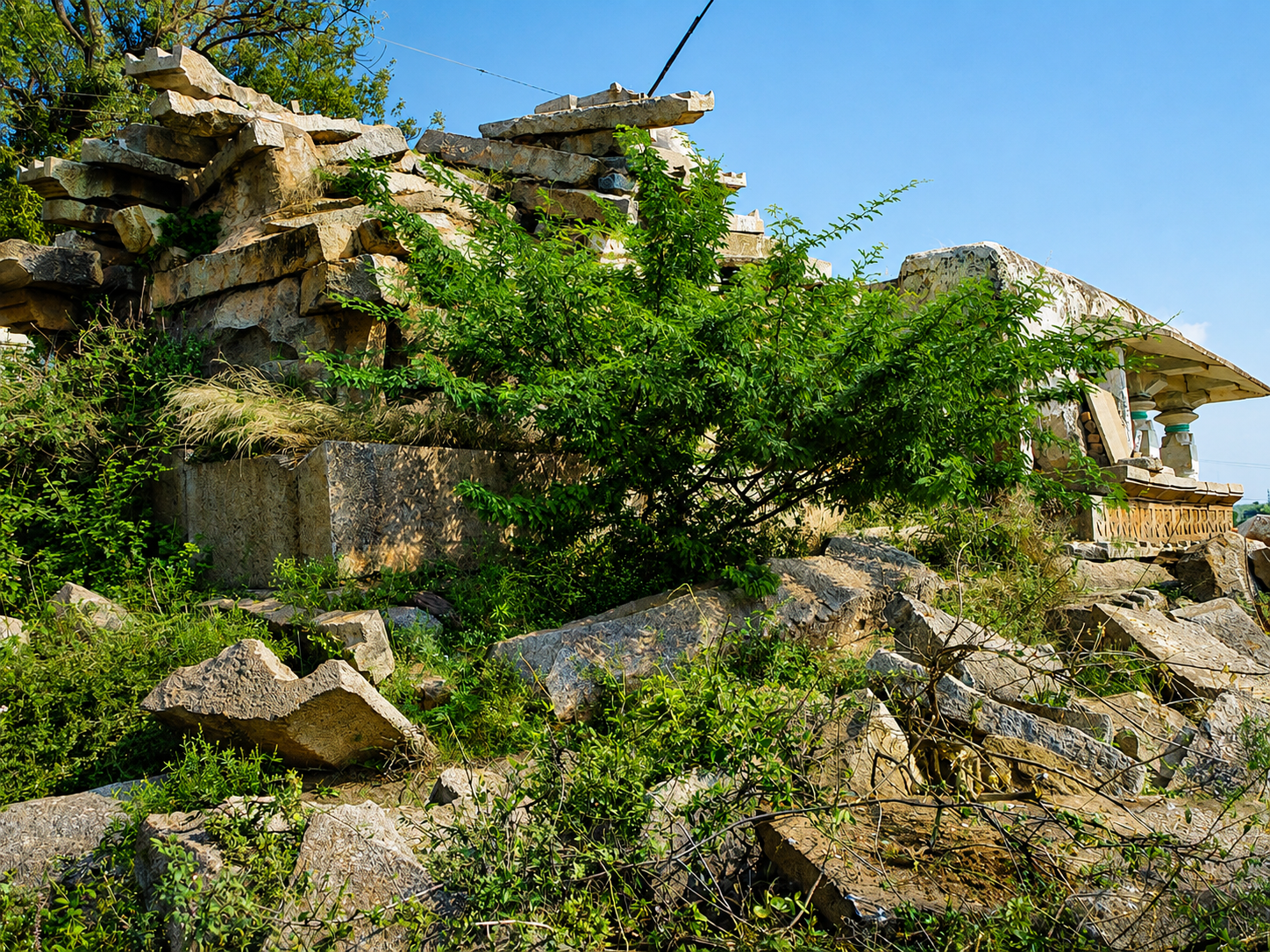
Talur- Village of Sandur Taluk, Bellary District is situated about 4 kms from JSW factory at Toranagallu. The Eshwara Temple of Taluru village was built during 11-12th centuary A.D. in later Chalukyan Style of architecture. The temple in dilapidated condition was renovated by Dharmothana trust in association with JSW Foundation. The renovated temple after regaining the position of the original structure is now being performed daily pooja by local people.